AGKON – pink hybrid tea rose - Agel
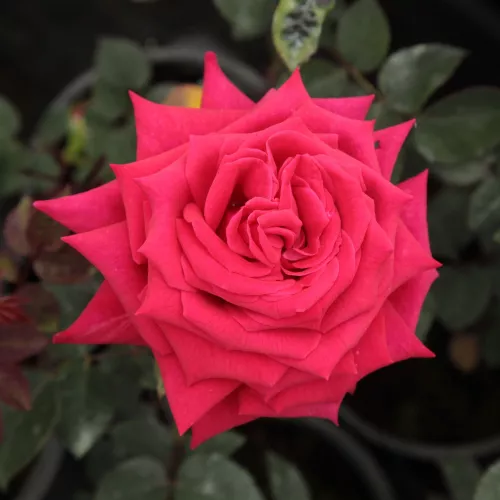
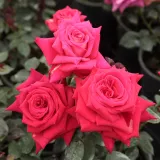
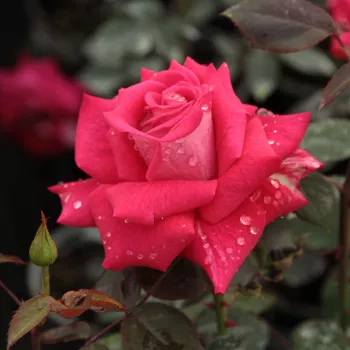
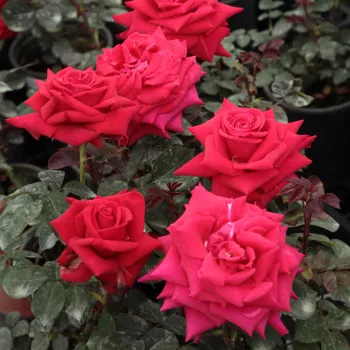
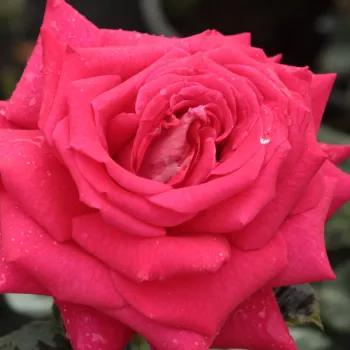
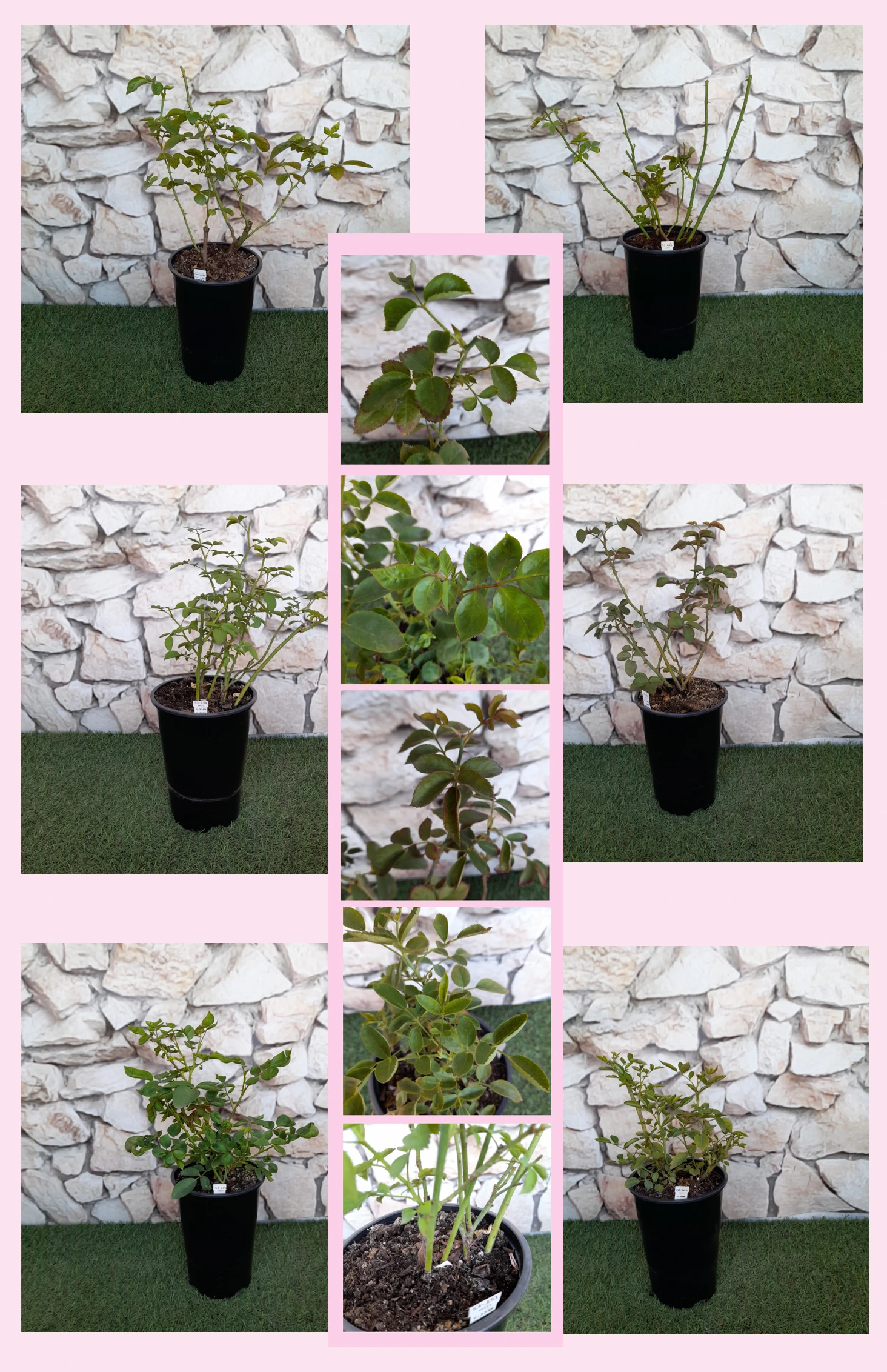
Step into a post-rain front garden where balance meets dependable colour: AGKON is a neat, upright hybrid tea bred in Germany for generous flowering with minimal fuss, ideal for busy London terraces and compact family plots. Its medium-height, bushy habit fits narrow borders and small beds without overwhelming paths, while the vibrant carmine-pink blooms keep their poise even in unsettled summers with frequent showers and wind off the sea. As an own-root rose in the pharmaROSA® ORIGINAL 2-litre pot, it offers reassuring longevity, regenerating steadily from its own wood rather than weakening on a graft. In year one it quietly concentrates on roots, year two builds confident shoots, and by year three it delivers full impact with reliable repeat flowering. With low-maintenance, disease-resistant foliage in a dark, glossy green, AGKON supports a calm, sustainable lifestyle, rewarding simple, rainwater-wise care with enduring colour.
Usage options
| Target area | Reasoning |
|---|
| Front garden feature rose |
The bushy yet compact habit makes AGKON ideal beside a path or gate, giving a clear focal point without crowding narrow terraces. Consistent, upright growth and tidy height keep the front garden ordered and easy to navigate for the busy urban homeowner. |
| Low-maintenance family flower bed |
Strong resistance to black spot, mildew and rust reduces the need for sprays, fitting neatly into low-input family gardens. A simple seasonal prune and deadheading are usually sufficient, keeping weekend jobs short for the time-poor beginner. |
| Sustainable own-root long-term planting |
Being grown on its own roots means AGKON can rejuvenate from the base if stems are damaged, supporting a long lifespan and stable appearance over many seasons, a reassuring quality for the long-term planner. |
| Cut flowers for the home |
High-centred, exhibition-style blooms on upright stems lend themselves to cutting, so you can bring structured, classic roses indoors without needing a dedicated cutting garden, which appeals to the style-conscious decorator. |
| Compact hedge or row planting |
Recommended close plant spacing allows you to create a low, formal rose row along a drive or path, using limited space efficiently while keeping access clear, an advantage for the small-garden owner. |
| Urban rainwater-wise border |
Moderate size and strong foliage suit mixed borders where improved drainage has been added to cope with heavier clay and frequent downpours, helping frame downpipes or soakaway areas for the rainwater-conscious gardener. |
| Balcony or patio container (large pot) |
AGKON can be grown in a minimum 40–50 litre container with peat-free compost, where regular watering and deadheading will reward you with repeat flowering and a structured look, an accessible option for the balcony resident. |
| Calm, “girly” pink planting scheme |
The medium-sized, cyclamen-pink blooms pair well with soft whites and mauves, creating a gentle, feminine palette without becoming overpowering, especially when combined with airy perennials for the romantic garden-maker. |
Styling ideas
- Pastel-Edge Border – Combine AGKON with garden feverfew and soft grasses to edge a small front bed, creating a light, feminine look that still feels ordered – ideal for the neat but low-effort gardener.
- Terrace-Showpiece – Plant a single AGKON in a 50-litre container near the front door, underplanted with trailing nepeta for a relaxed yet composed welcome – perfect for style-focused city homeowners.
- Pink-Ribbon Row – Use close spacing to form a short rose row along a path, softening hard paving while maintaining straight, easy-to-mow lines – suited to families who like structure.
- Cottage-Modern Mix – Thread AGKON through bellflowers and catmint in a small mixed border, balancing romantic colour with tidy form – for those blending cottage charm with urban practicality.
- Calm-Corner Trio – Group three AGKON plants in a triangle around a small seating area, backed by evergreen shrubs for privacy – appealing to anyone seeking a tranquil, low-maintenance retreat.
Technical cultivar profile
| Property | Data |
|---|
| Name and registration |
Hybrid tea rose marketed as AGKON – pink hybrid tea rose - Agel; ARS exhibition name ‘Agkon’; hybrid tea group; exhibition-quality blooms suitable for cutting and garden display. |
| Origin and breeding |
Bred by Richard Agel, Agel Rosen, Germany, 1979; introduced the same year by Agel Rosen; parentage unknown, selected for classic form and garden reliability. |
| Growth and structural characteristics |
Bushy, upright hybrid tea rose, typically 60–85 cm high and 35–50 cm wide; moderately thorny, with moderately dense, dark green foliage providing a structured presence in small spaces. |
| Flower morphology |
Double, high-centred blooms with 26–39 petals, medium-sized (approx. 4–7 cm), mainly solitary on stems; good remontancy with an abundant second flush when regularly deadheaded. |
| Colour data and phenology |
Vibrant carmine-pink flowers with magenta tones; ARS colour code RB, RHS 65D outer, 53C inner; colour holds well, outer petals gently lightening to creamy pink as blooms age on the plant. |
| Fragrance and aroma |
No noticeable scent; selected primarily for colour, form and garden performance rather than perfume, making it suitable where fragrance is not a key requirement. |
| Hip characteristics |
Sparse, small spherical hips, around 10–14 mm in diameter, red (RHS 40A); usually incidental to the display, as repeat flowering and deadheading limit hip formation. |
| Resistance and winter hardiness |
Good resistance to powdery mildew, black spot and rust; hardy to approximately –21 to –18 °C (RHS H7, USDA 6b, Swedish Zone 3); tolerates heat but needs watering in extended dry spells. |
| Horticultural recommendations |
Best in full sun with well-prepared soil; suitable for beds, low hedging and cutting. Allow 25–45 cm spacing depending on use; own-root plants settle gradually, rewarding consistent, moderate care. |
AGKON – pink hybrid tea rose - Agel offers compact structure, repeat flowering and dependable disease resistance in a long-lived own-root form, a thoughtful choice if you prefer roses that quietly earn their place.