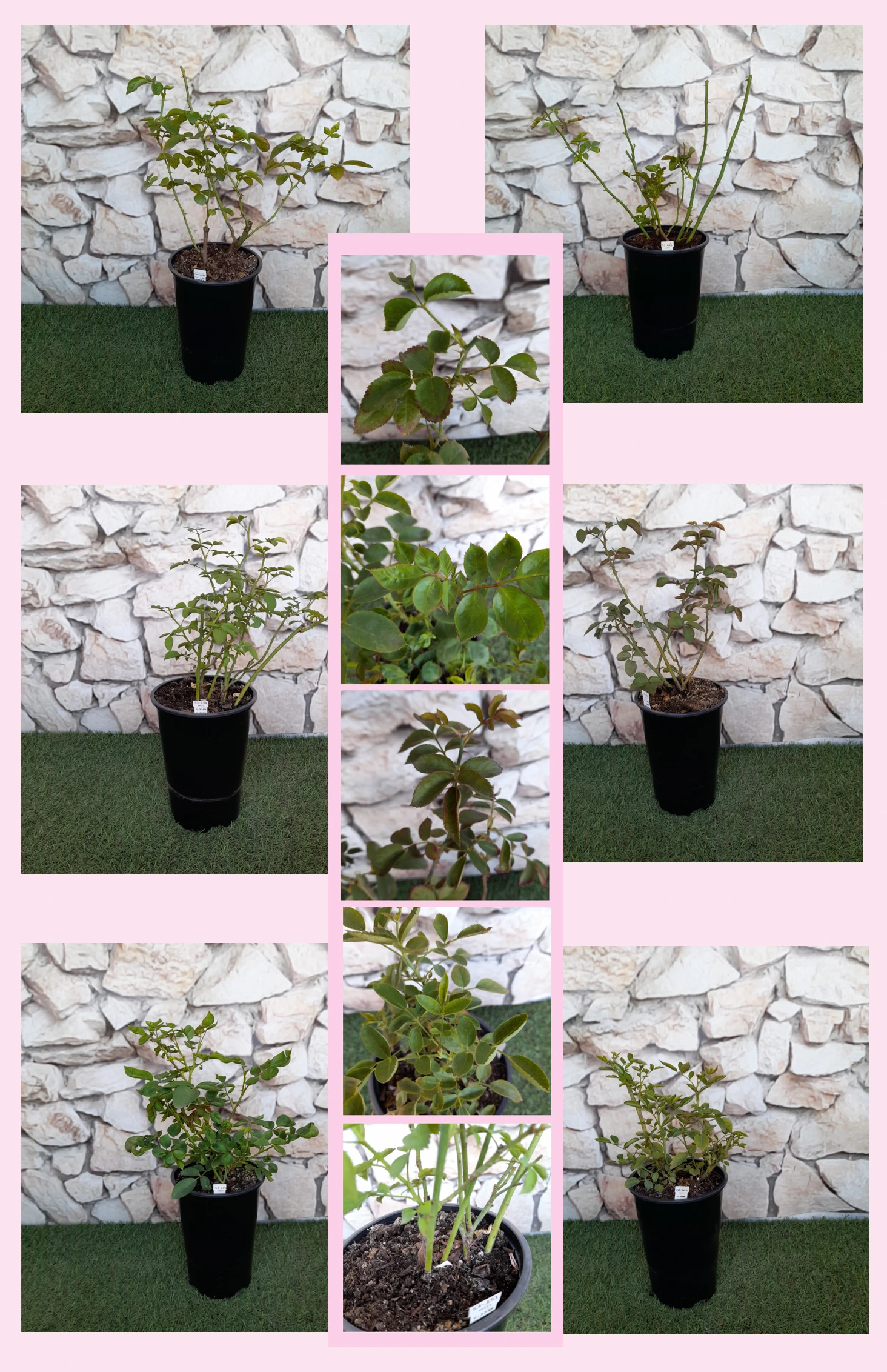
ALEXANDER MACKENZIE – pink climbing rose – Svejda
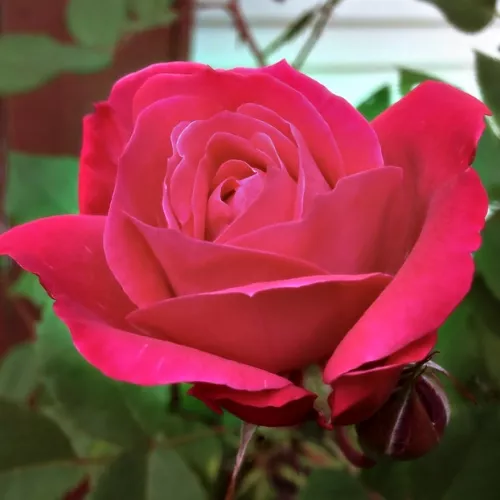
Choose the Alexander MacKenzie climbing rose if you want upright, architectural colour that feels at home in a London front garden and lends a quietly romantic balance to a small space. Its dense, mid‑green foliage and richly raspberry‑pink flowers create a strong vertical focus on fences, trellises or porch pillars, while the medium, delicately fruity fragrance adds atmosphere on damp evenings after rain. Bred for very cold winters yet adaptable to our variable, rainy, wind‑prone conditions, it offers reliable structural impact even where summers are cool. Planted as an own‑root rose in well‑prepared soil, it is designed for a long garden lifespan, steadily regenerating from the base. In year one it concentrates on roots, year two brings stronger shoots, and by year three you can expect its full ornamental presence along your chosen support.
Usage options
| Target area |
Reasoning |
| Narrow London front garden façade |
Trained flat against railings or a wall, this upright climber delivers strong vertical structure without taking much pavement space, ideal where cars and bins compete for room – a calm, colourful choice for the busy urban garden owner |
| Rainwater‑friendly terraced‑house entrance |
Placed in a permeable, planted strip by the front step, its deep root system makes long‑term use of captured rainwater while glossy foliage and pink blooms frame the doorway – a sustainable accent for the city front‑garden gardener |
| Small family back garden pergola |
On a modest pergola or arch, its abundant raspberry‑pink clusters and fragrant air create a playful, “girly” tunnel effect that children enjoy walking through – a charming solution for the family‑garden homeowner |
| Large container on courtyard terrace (50–70 L) |
In a substantial, 40–50 litre or larger pot with good drainage, it offers a movable wall of colour for rented spaces, providing height and privacy without permanent structures – a flexible option for the renter with balcony or patio |
| Neighbour‑screening boundary or side return |
Planted at intervals along a fence, its dense foliage and upright canes soften boundaries and filter views without feeling heavy, supporting harmonious co‑existence in compact streets – a considerate idea for the urban semi‑detached owner |
| Clay‑soil garden with careful drainage |
Where heavy clay holds winter moisture, preparing a wide, well‑drained planting hole lets its strong framework thrive, bringing reliable height where other shrubs struggle with wet roots and wind exposure – reassuring for the practical suburban gardener |
| Feature rose in a long mixed border |
Used as a tall focal point, its globular, very double blooms stand out among perennials, and the medium fragrance invites closer viewing on garden walks – a refined highlight for the weekend hobby gardener |
| Cool, exposed coastal or windy plot |
Bred in a continental climate with severe winters, its hardy framework copes well with cold winds and unsettled weather, offering long‑term structure even where summers are short and breezy – reassuring resilience for the climate‑aware garden planner |
Styling ideas
- Romantic railings – Train along low black railings with lavender and soft nepeta at the base for a scented, “girly” entrance – ideal for front‑garden stylists.
- Porch curtain – Let canes fan over a slim timber trellis by the door, underplant with evergreen Japanese spurge for year‑round neatness – perfect for neat‑and‑tidy homeowners.
- Courtyard column – Grow in a 60 L pot around a metal obelisk, with trailing campanula spilling over the rim – suited to renters and balcony gardeners.
- Family archway – Cover a simple arch between lawn and patio, paired with lilac catmint for a soft, walk‑through tunnel – loved by families with children.
- Side‑return screen – Space plants along a narrow passage fence, weaving stems horizontally and edging with lilyturf for a lush, low‑maintenance strip – useful for busy urban professionals.
Technical cultivar profile
| Parameter |
Data |
| Name and registration |
ALEXANDER MACKENZIE – pink climbing rose – Svejda; ARS exhibition name A. Mackenzie; climber/shrub type within the Climbing rose commercial group, supplied here as an own‑root, 2‑litre container plant. |
| Origin and breeding |
Bred by Felicitas Svejda at Agriculture and Agri‑Food Canada, Ottawa, from ‘Queen Elizabeth’ × (‘Red Dawn’ × ‘Suzanne’); selected for cold hardiness and introduced in 1985 for robust landscape use. |
| Growth and structural characteristics |
Strong, upright climber reaching about 180–300 cm high and 150–250 cm wide, with dense, mid‑green, glossy foliage and moderate prickliness; weak self‑cleaning so spent blooms often need light hand‑deadheading. |
| Flower morphology |
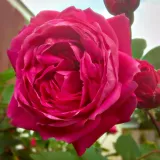
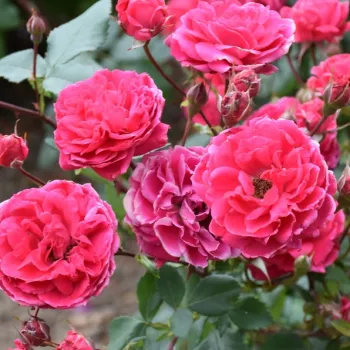
Medium‑sized, very double, globular to pompon clusters with over 40 petals; remontant with a generous second flush, producing repeated trusses of bloom through the season on well‑sited, healthy plants. |
| Colour data and phenology |
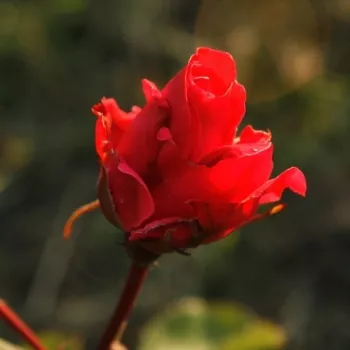
Intense raspberry‑pink with scarlet overtones; ARS code RB, RHS 53A outer and 46B inner; buds carmine‑crimson, fading gradually to softer pink tones, with cooler purplish hues in shade and in strong sun a lighter appearance. |
| Fragrance and aroma |
Medium‑strength perfume with a delicately fruity character; scent is clearly noticeable at close range, especially in the evening or after rainfall, adding atmospheric value near doors, paths and seating areas. |
| Hip characteristics |
Occasional ovoid hips, around 15–25 mm in diameter, ripening to orange‑red; generally a minor ornamental feature because the plant’s main display focus is on repeat flowering rather than fruiting. |
| Resistance and winter hardiness |
Exceptionally hardy to about −37 to −34 °C (RHS H7, Swedish zone 6, USDA 3b) but with very susceptible foliage to powdery mildew, black spot and rust, so regular preventive care is important for good display. |
| Horticultural recommendations |
Best in sunny sites with fertile, well‑drained soil; allow roughly 140 cm spacing for hedges, 220 cm as specimens; tie in new canes, mulch generously, water in dry spells and plan a protective spray regime if disease pressure is high. |
ALEXANDER MACKENZIE rewards you with rich colour, a medium fruity fragrance and reliable height, while its own-root form supports long-term structure and regeneration in small gardens, making it a thoughtful choice to anchor your planting.