ALINKA – yellow-red hybrid tea rose - Dickson
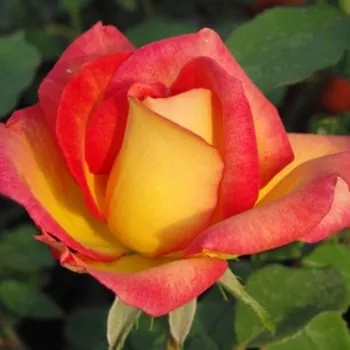
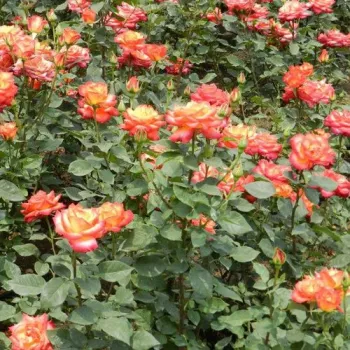
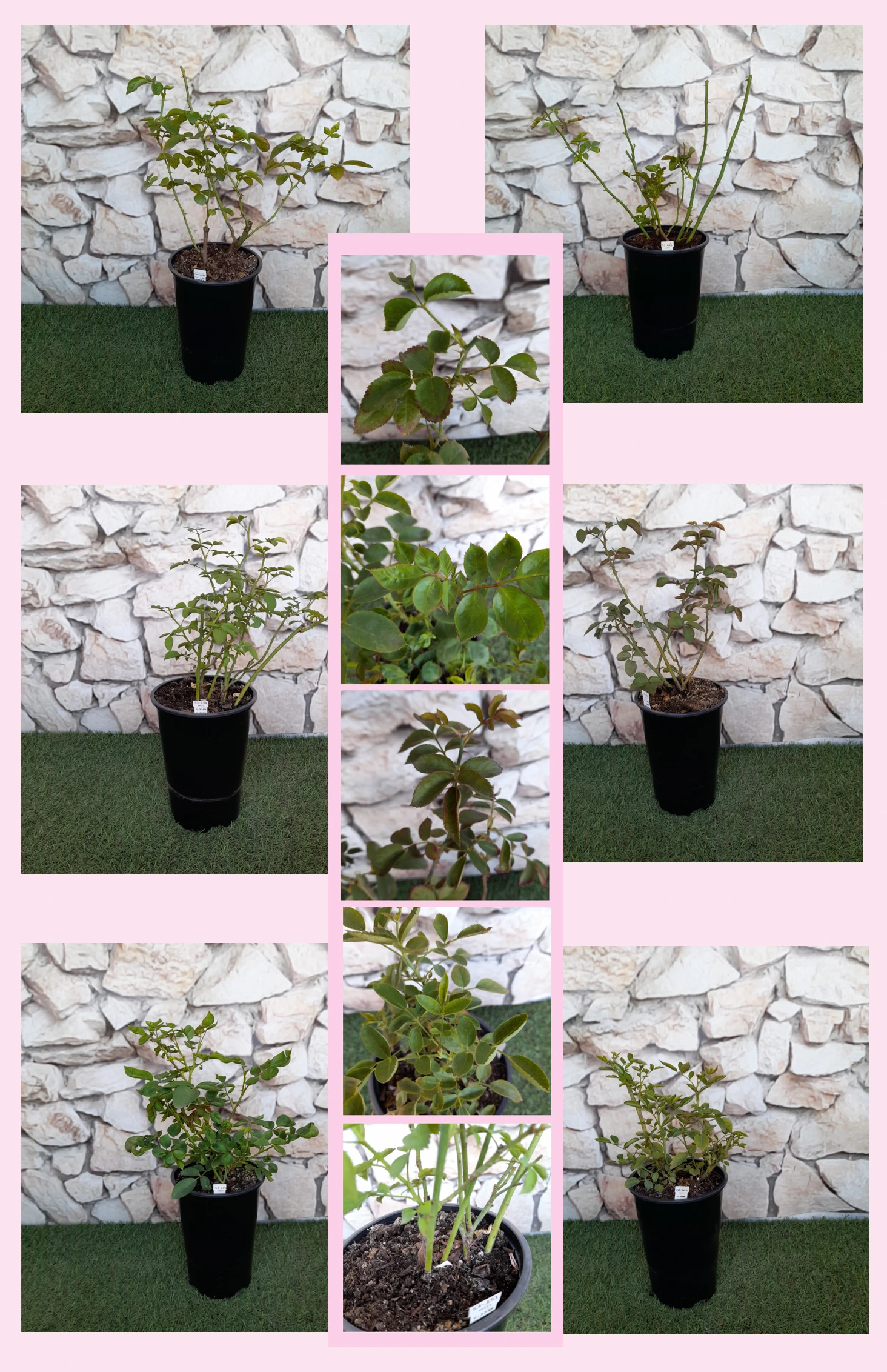
Bring a touch of front-garden theatre to your urban plot with ALINKA, a yellow-red hybrid tea rose that combines colour, structure and elegance in an easy-to-manage 2‑litre own-root form. Bred in Northern Ireland, this upright, medium-height rose offers generous, repeat-flowering clusters that perform reliably even in typical British summers with rainfall and damp spells challenging many other roses. Large, cup-shaped blooms unfurl from fiery red-tipped buds into sunshine-yellow flowers edged in orange-red, creating a dynamic display from first opening through gentle fading. Dense, glossy, dark green foliage frames the flowers, helping the plant read as a smart, tidy feature beside a path or bay window. Own-root plants establish steadily for a long garden life – roots in year one, confident top growth in year two, full ornamental value by year three – supporting a more sustainable, low-fuss garden where you can enjoy subtle fragrance and long-lasting stems for the vase without demanding maintenance, ideal for busy households who still want a refined, “girly” front-garden feel.
Usage options
| Target area |
Reasoning |
| Feature rose by the front door |
Its upright habit, tidy height and dense glossy foliage create a composed, welcoming accent in a small front garden without overwhelming the space, ideal where every square metre must work hard for visual impact for the time-poor homeowner. |
| Cutting patch or cutting strip |
Large, double, hybrid-tea-style blooms on good stems lend themselves to home cutting, with repeat flushes providing a steady supply of striking yellow-red flowers for vases over the season for the creative arranger. |
| Mixed border with perennials and grasses |
Cluster-flowered heads sit comfortably among airy perennials such as nepeta, sage or ornamental grasses, giving recurring colour without complex care routines for the relaxed-border gardener. |
| Sunny terrace in a large container |
Grows well in a substantial pot of at least 40–50 litres, where its compact spread and upright structure suit narrow terraces and balconies, provided watering is consistent for the city-balcony resident. |
| Small front garden with heavy clay soil |
Performs reliably where rain and heavier soils are common, as long as planting holes are improved with grit and organic matter to aid drainage, supporting those coping with typical wet, heavier plots for the practical beginner. |
| Statement single-specimen planting |
As a solitary specimen, the colour change from bud to full bloom reads strongly from the pavement, giving a sense of design with just one well-placed plant for the style-conscious owner. |
| Informal low hedge or row |
Recommended hedge spacing allows a low, rhythmical line of colour along a path or boundary, offering structure without the severity of clipped shrubs for the informal-border planner. |
| Long-term, low-replacement planting scheme |
Own-root plants mature steadily into durable bushes that regenerate well from lower buds after weather or pruning, supporting long-lived, sustainable plantings with fewer replacements for the future-minded gardener. |
Styling ideas
- Terraced-Chic – Underplant ALINKA with soft lavender and creeping thyme by a London front step for scent and colour, ideal for urban homeowners wanting elegance from minimal planting.
- Cutting-Corner – Line a small, sunny bed with three ALINKA roses and intersperse with nepeta for contrast, suiting beginners who enjoy picking reliable blooms for the kitchen table.
- Sunset-Ribbon – Create a short, low hedge along a front path, pairing with airy verbena for height, perfect for families seeking structure without formal topiary.
- Container-Show – Grow ALINKA in a 50‑litre pot with trailing ivy and seasonal bedding, fitting balcony or patio gardeners who need contained colour with straightforward upkeep.
- Prairie-Glow – Mix ALINKA with switchgrass and pink lupins for a soft, modern border that glows at dusk, appealing to eco-conscious owners favouring long-lived plant combinations.
Technical cultivar profile
| Parameter |
Data |
| Name and registration |
Hybrid tea / floribunda rose marketed as ALINKA (registered as DICor), also known in exhibitions as ‘Red Gold’; sold here as an own-root, 2‑litre container-grown eleanorROSE ORIGINAL plant. |
| Origin and breeding |
Bred by Alexander Patrick Dickson, Dickson Nurseries, Northern Ireland, before 1967 from complex hybrid tea and floribunda parentage; introduced in 1967 in Europe and later in the USA. |
| Awards and recognition |
Highly regarded exhibition rose with notable awards including the Portland Gold Medal in 1969 and All-America Rose Selections winner status in 1971, plus various show successes thereafter. |
| Growth and structural characteristics |
Upright, medium-sized bush reaching about 85–115 cm high and 65–95 cm wide, with dense, moderately thorny shoots and dark, glossy foliage that gives a tidy, ornamental presence in borders. |
| Flower morphology |
Double, cluster-flowering hybrid tea type with 26–39 petals; large, cupped blooms borne repeatedly in strong flushes through the season, offering good substance for both border display and cutting. |
| Colour data and phenology |
Yellow-based flowers with vivid orange-red edging; colour evolves from bright lemon and crimson margins to butter-yellow and softer salmon-pink rims, maintaining a warm bicolour effect as blooms age. |
| Fragrance and aroma |
Soft, delicately floral fragrance of mild intensity; scent is noticeable at close range without dominating nearby seating areas, suiting those who prefer a gentle, unobtrusive rose perfume. |
| Hip characteristics |
Rose hips form sparsely due to the double blooms; occasional ellipsoid, orange-red hips around 10–14 mm may appear, adding a discrete late-season accent without significant self-seeding. |
| Resistance and winter hardiness |
Hardy to around −26 to −23 °C (RHS H7, USDA 5b), tolerating UK winters well; good heat tolerance if watered in drought, with black spot resistance and medium susceptibility to mildew and rust. |
| Horticultural recommendations |
Best in full sun with improved, free-draining soil; space 55 cm for groups, 50 cm for hedges, 90 cm as a specimen; protect from late spring frosts and monitor for disease in humid summers. |
ALINKA Hybrid tea rose DICor offers long-season colour, reliable cutting blooms and durable own-root growth, making it a thoughtful choice for a compact, low-fuss family garden planting.