AMICA™ – orange-red hybrid tea rose – Cazzaniga
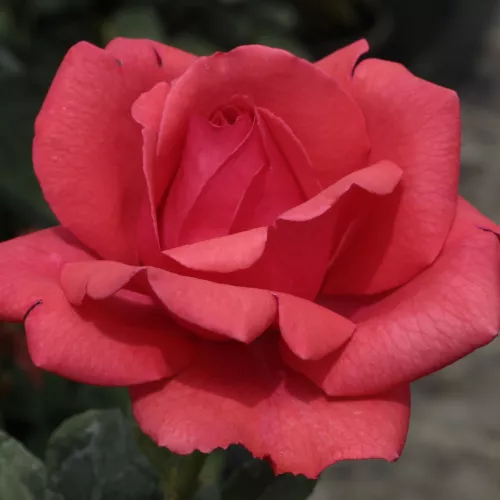
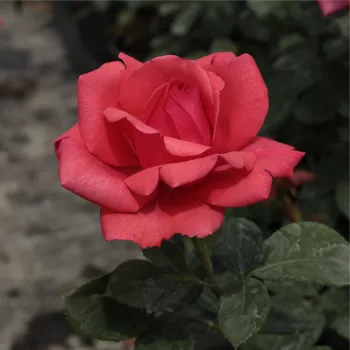
Choose Amica for a welcoming front-garden rose that pairs classic exhibition poise with low-effort reliability in everyday family spaces. Its orange-red blooms open in an elegant goblet form, perfect for cutting, yet the bush itself stays compact and upright, suiting narrow London terraces and small borders. On its own roots this rose builds a long-lived framework that quietly regenerates after pruning, supporting a calm, low-intervention routine. In typical UK conditions it copes well with damp spells and fungal pressure, remaining reassuringly healthy through unsettled summers. Year by year it settles in – roots first, then stronger shoots, then full ornamental value – giving a sense of balance as colour, structure and fragrance mature together. The strong, classic hybrid tea perfume drifts along the path after rain, while the foliage remains neatly upright and dark green, creating a refined backdrop to softer, pastel companions and textured grasses. In larger containers of at least 40–50 litres, with good drainage to handle heavier clay soils, it offers a sustainable, repeat-flowering focal point that feels quietly timeless.
Usage options
| Target area |
Reasoning |
| Front garden feature rose |
The compact, upright habit and moderate spread make this variety easy to position beside a front path or bay window without overpowering a small space. Its low maintenance needs suit busy owners who prefer simple pruning and occasional feeding, ideal for the urban gardener. |
| Cutting and vase use |
Classic hybrid tea form, medium-sized blooms and long, straight stems allow you to cut elegant, well-shaped flowers for the house. Regular cutting encourages fresh flushes without complex deadheading, offering reliable colour indoors for the home stylist. |
| Rain‑resilient city border |
Good resistance to black spot, mildew and rust means foliage stays presentable even in cool, wet summers and exposed, breezy streets. This supports a resilient planting in places where frequent showers and fungal pressure are the norm for the low‑input gardener. |
| Long‑term structural planting |
Being grown on its own roots, this rose forms a durable framework that can regenerate from the base if damaged, helping it remain ornamental over many seasons. This steadiness reduces the need for replacement planting for the long‑view planner. |
| Small terrace or courtyard bed |
The moderate height and width fit neatly into confined beds in terraced-house fronts, offering vertical interest without shading windows. Its tidy outline works well with gravel, brick edging and simple underplanting, supporting an uncluttered look for the space‑conscious owner. |
| Fragrant seating area |
Strong, classic scent performs particularly well near doors, benches or small patios, where even a few stems can perfume the air. With straightforward care needs, you can enjoy evening fragrance without committing to intensive rose culture, ideal for the relaxed host. |
| Large container on hard landscaping |
In a 40–50 litre or larger pot with free‑draining, peat‑free compost, this cultivar provides a long‑lasting focal point on paved, rainwater‑runoff areas, well suited to wetter, wind‑exposed sites where drainage and fungal pressure need consideration for the sustainability‑minded. |
| Statement colour accent |
The bright orange‑red flowers, which soften to salmon tones at the petal edges, create a vivid highlight among greens, silvers and soft pastels. This reliable, repeat display helps anchor planting schemes that rely on a consistent, high‑impact accent for the colour lover. |
Styling ideas
- Terrace Welcome – Plant as a single specimen by a front door with low lavender and nepeta to soften the base, giving fragrance and structure for the style-conscious city household.
- Sunset Border – Combine with soft pink and apricot roses plus airy ornamental grasses to echo its orange-red glow, suiting gardeners creating a warm, evening-lit palette.
- Formal Goblet – Use in a narrow, clipped box-edged bed, allowing the upright stems and classic hybrid tea flowers to provide a smart, traditional accent for period terraces.
- Copper Meadow – Thread among Pennisetum and alliums, letting the dark foliage and glowing blooms rise from a textured matrix for wildlife-aware gardeners who still want strong colour.
- Courtyard Vase‑Garden – Group two or three in large containers with sage and dwarf grasses so you can cut stems regularly while keeping a tidy, modern look for keen home florists.
Technical cultivar profile
| Property |
Data |
| Name and registration |
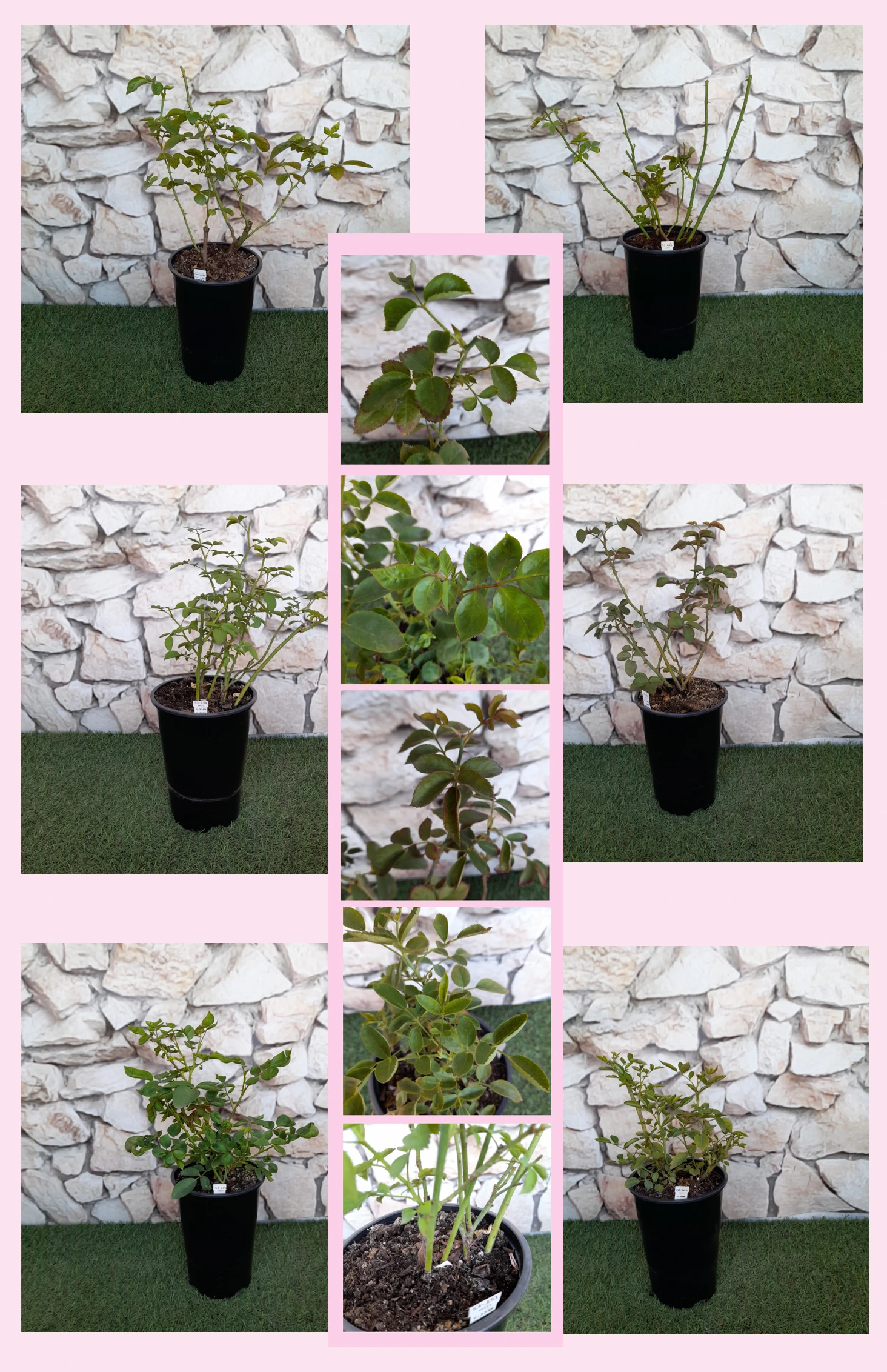
Hybrid tea rose cultivar Amica, marketed as AMICA™ – orange-red hybrid tea rose – Cazzaniga; ARS exhibition name Amica; commercial group Hybrid tea rose; own-root 2-litre container form. |
| Origin and breeding |
Bred by Febo Giuseppe Cazzaniga, Italy, from ‘Coup de Foudre’ × ‘Lampo’; breeding completed 1965, introduced 1966 via Cazzaniga Nursery, Vimodrone; selected for flower quality and reliable garden use. |
| Awards and recognition |
Gold Medal at the Monza International Rose Competition 1965 in the Hybrid Tea category, recognised as the Most Beautiful Italian Rose, underlining its ornamental and exhibition value. |
| Growth and structural characteristics |
Upright bush reaching around 85–115 cm high and 50–70 cm wide, with moderately dense, slightly glossy dark green foliage and moderate prickliness; forms a balanced, compact garden shrub. |
| Flower morphology |
Medium-sized, double flowers with approximately 26–39 petals, predominantly solitary on stems; blooms show classic cup to goblet hybrid tea form and repeat well with an abundant second flush. |
| Colour data and phenology |
Bright orange-red base with vermilion tone, ARS MR; RHS 46B outer, 46A inner; colour lightens to salmon pink at the petal edges as blooms mature, while the centres retain deeper orange-red intensity. |
| Fragrance and aroma |
Strong, classic hybrid tea rose scent, noticeable in still air and around paths or seating; suitable for those prioritising traditional rose perfume in both the garden and cut flower arrangements. |
| Hip characteristics |
Rose hip set typically limited by full double blooms; where formed, hips are ellipsoidal, red-orange, around 10–14 mm diameter, adding modest late-season interest without major self-seeding. |
| Resistance and winter hardiness |
Rated resistant to powdery mildew, black spot and rust; hardiness approximately −21 to −18 °C, RHS H7, USDA Zone 6b, Swedish Zone 3, enabling dependable performance in most UK regions. |
| Horticultural recommendations |
Best in sunny, open sites with fertile, well-drained soil; plant 50–60 cm apart in groups or 90 cm as specimen; routine pruning and basic feeding support sustained flowering with modest effort. |
AMICA™ offers vivid orange-red blooms, strong fragrance and disease-resilient growth on a durable own-root framework, making it a thoughtful long-term choice for those refining a small garden or terrace.