ANIKA™ – golden-yellow hybrid tea rose - Haschke
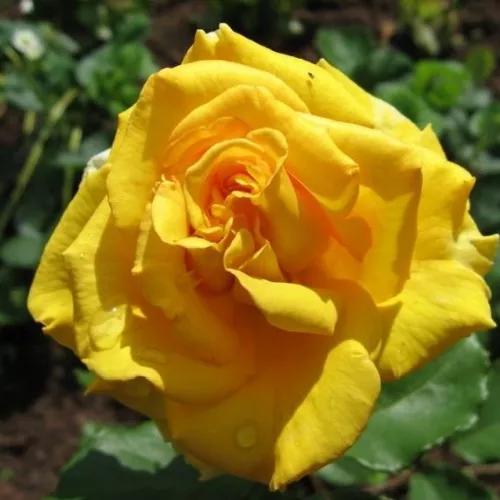
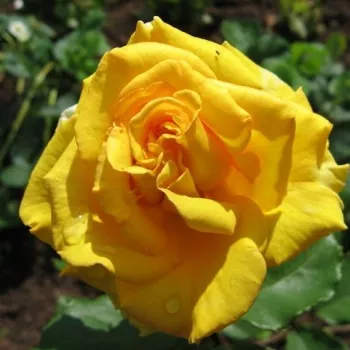
In a compact London front garden or balcony, ANIKA slips easily into everyday life, bringing a calm sense of balance with its warm golden-yellow blooms and neat hybrid tea form. Designed for low-fuss maintenance, this own-root rose settles steadily into heavy or chalky soils, coping well where drainage is tricky and wet spells are frequent, even in breezier, rain-washed streets. Its upright, space-saving habit fits narrow beds and containers, while the semi-double flowers offer an accessible, pollen-bearing centre that gently supports visiting insects. Over time, you can expect roots to establish in the first year, stronger shoots in the second, and a fuller ornamental display by the third, with durable, mid-green foliage framing florist-style stems ideal for weekend cutting indoors.
Usage options
| Target area | Reasoning |
|---|
| Urban front garden border |
The upright, compact habit makes this rose ideal for slim beds against railings or low walls, adding tidy vertical structure without dominating small plots and giving reliable hybrid tea form for structured planting for the busy city gardener |
| Rain-aware clay or chalk soils |
Own-root plants establish steadily and cope well with the stop–start growth often seen on heavier or chalky urban soils, staying reliable where drainage can be slow and autumn rain and wind arrive together for the sustainability-minded homeowner |
| Feature rose in small mixed border |
The rich golden-yellow flowers act as a warm focal point among greens and soft pastels, with mid-green foliage providing a calm backdrop that remains attractive between flushes, ideal where one striking plant needs to anchor a compact scheme for the design-conscious beginner |
| Cutting patch in a family garden |
High-centred, pointed buds open on straight stems that lend themselves to cutting, allowing you to harvest tidy, characterful blooms for the house without needing specialist techniques or intensive feeding programmes for the home flower arranger |
| Pollinator-friendly flower strip |
Semi-double flowers with accessible stamens offer a modest, regular source of pollen, complementing longer-blooming perennials so that urban gardens can support insect life while still keeping a refined hybrid tea look for the wildlife-aware gardener |
| Low-maintenance own-root planting |
As an own-root rose, it regrows true to type if pruned harder or after winter damage, supporting a longer planting life and reducing the need for replacement compared with grafted plants, especially in exposed or compact plots for the practical homeowner |
| Container on balcony or patio (40–50 L) |
A sturdy, upright structure and modest spread suit a single large container of at least 40–50 litres, giving a neat, self-contained feature that can be watered with stored rainwater and underplanted with herbs or low perennials for the space-limited gardener |
| Structured mixed planting with hips for winter |
After flowering, the small orange-red hips extend interest into autumn, pairing well with grasses and seed-head perennials, so one plant contributes both summer colour and subtle seasonal structure in a compact family garden for the year-round planner |
Styling ideas
- Golden-focus – Place ANIKA as the central accent in a slim front border, flanked by lavender and nepeta to soften edges and draw bees – ideal for urban families wanting an elegant yet easy focal point.
- Balcony-bouquet – Grow one plant in a 50-litre pot with trailing thyme and sedum for a long-season display that can be watered with saved rainwater – suitable for balcony gardeners with limited time.
- Cutting-corner – Combine ANIKA with chives and Echinacea in a sunny strip to supply both kitchen herbs and stems for vases – perfect for beginners creating a small, useful cutting patch.
- Soft-contrast – Pair its golden-yellow blooms with cool blue salvias and airy grasses to balance warmth and light movement – designed for those seeking a calm, contemporary front-garden palette.
- Hip-and-heritage – Underplant with low catmint and allow the orange-red hips to shine in autumn, echoing cottage styles in a compact space – appealing to homeowners who enjoy subtle seasonal change.
Technical cultivar profile
| Trait | Data |
|---|
| Name and registration |
Hybrid tea rose, registered as PLAhasdor, marketed as ANIKA™ – golden-yellow hybrid tea rose - Haschke; ARS exhibition name Anika; member of the Hybrid Tea commercial group. |
| Origin and breeding |
Bred by Haschke in Germany and registered in 1987, with Pflanzen-Kontor as breeder–distributor; parentage is unknown, but selection focuses on hybrid tea form and clear golden-yellow colour. |
| Growth and structural characteristics |
Upright hybrid tea with a height of about 70–95 cm and spread of 30–45 cm; moderately thorny shoots carry mid-green, slightly glossy foliage of medium density, forming a neat, vertical outline. |
| Flower morphology |
Semi-double, high-centred blooms with 13–25 petals, typical pointed-bud hybrid tea shape; medium flower size around 1.5–2.75 inches, borne mostly solitary, repeating with a generous second flush. |
| Colour data and phenology |
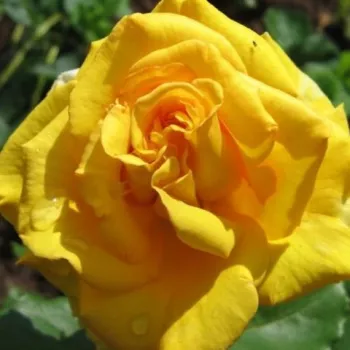
Rich golden-yellow flowers, ARS Y; RHS 14A outer and 12A inner; buds open deep yellow, then soften through buttery pastels to a delicate cream centre, with a moderately stable overall colour in garden use. |
| Fragrance and aroma |
Fragrance is very faint and only barely noticeable, with a light rosy character; grown primarily for visual effect and flower form rather than scent, making it suitable near seating for sensitive noses. |
| Hip characteristics |
Forms moderate numbers of spherical hips, about 8–12 mm in diameter, ripening to orange-red; decorative in late season and of interest for subtle winter structure and wildlife observation. |
| Resistance and winter hardiness |
Rated to about –21 to –18 °C (RHS H7, Swedish Zone 3, USDA 6b); disease resistance is medium to powdery mildew, black spot and rust, occasionally needing standard protection in humid, high-pressure seasons. |
| Horticultural recommendations |
Best in full sun as a border, specimen or cut-flower rose; plant 35 cm apart for masses, 30 cm for low hedging, 60 cm as a specimen; density about 8.2–9.4 plants/m²; medium maintenance with periodic care. |
ANIKA™ – golden-yellow hybrid tea rose - Haschke offers compact, upright structure, gently pollinator-supporting blooms and long-lived own-root reliability; a thoughtful choice if you value enduring colour with manageable care.