APRIKOLA® – peach-orange bedding floribunda rose – Kordes
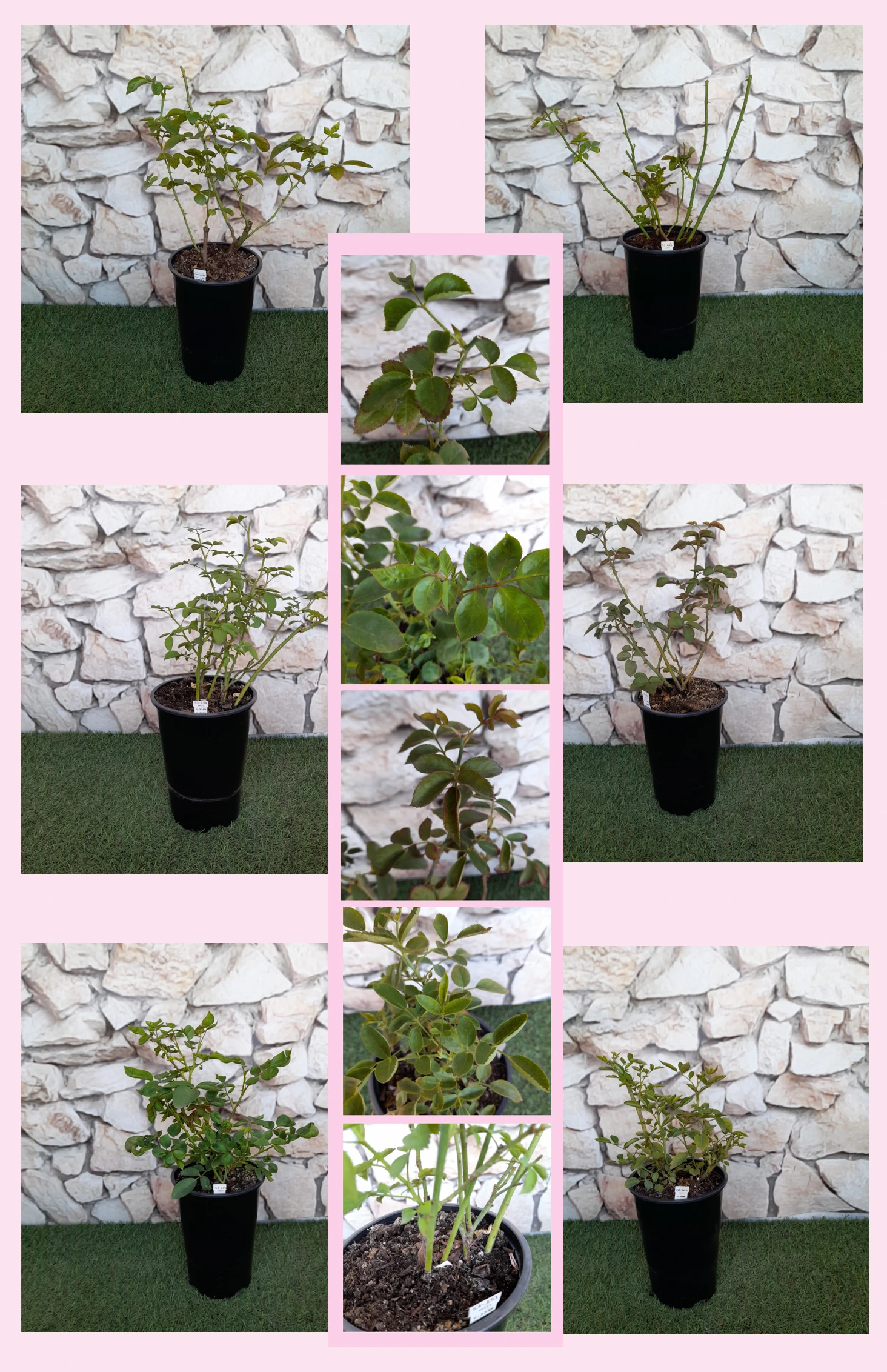
In a compact London front garden or shared urban border, APRIKOLA® creates an easy rhythm of repeat flowering and soft peach tones that sit naturally among paving, gravel and rain‑fed planting, coping well with typical British showers and breezes in exposed, changeable weather. Its semi‑double blooms open in generous clusters, dropping spent petals cleanly for a consistently tidy outline, while dense, glossy foliage provides a reassuringly full background from early summer onwards. As an own‑root shrub it offers long‑term stability and the quiet confidence of a plant that can regenerate from its base if cut back hard or nipped by frost. Planted into well‑prepared, peat‑free soil and watered with saved rainwater, it settles quickly, with roots building in year one, stronger shoots in year two and a satisfying, mature display by year three. Whether you tuck it into a narrow bed or a generous 40–50 litre container, its upright, bushy habit and long flowering season make it a practical, low‑fuss choice for relaxed, sustainable gardens.
Usage options
| Target area | Reasoning |
|---|
| Small front garden bed |
The compact, upright shrub stays around 60–85 cm, ideal for narrow beds along paths or front fences without overwhelming neighbouring plants or windows, giving structured colour close to eye level for busy urban gardeners |
| Low, colourful hedge |
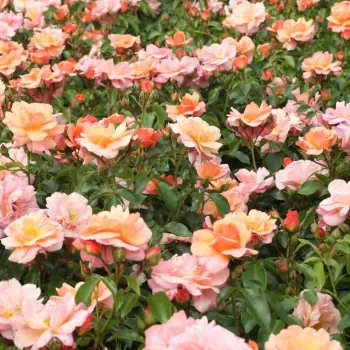
Clustered semi‑double flowers repeat through the season, and good self‑cleaning keeps a neat edge, so a row of plants forms a vibrant, low‑maintenance border that rarely needs deadheading for time‑pressed homeowners |
| Mixed perennial border |
Warm peach‑orange tones blend easily with purples and silvers, while mid‑green glossy foliage fills gaps, so it knits together perennials like lavender, sage or nepeta into a harmonious, long‑season border for design‑conscious beginners |
| Rainwater‑fed large container |
In a 40–50 litre pot with drainage, its moderate height and bushy shape give reliable structure on balconies or paved front gardens, making good use of collected rainwater and avoiding waterlogged compost for sustainability‑minded flat dwellers |
| Coastal or exposed site |
The sturdy, upright growth and dense foliage cope well with wind and changeable weather, holding clusters of flowers without looking battered after showers and breezes common in open, coastal‑influenced gardens for seaside families |
| Water‑wise planting scheme |
Once established it tolerates moderate drought, especially in heavier soils, so with mulch and sensible watering it fits neatly into water‑conscious front gardens that rely on stored rainwater rather than frequent hose use for eco‑aware households |
| Low‑input family border |
Own‑root growth offers long life and easy regeneration after hard pruning or accidental damage, maintaining shape and flowering reliability with simple annual trimming rather than complex rose care for casual hobby gardeners |
| Lightly scented seating area |
Mild, fresh, fruity fragrance and semi‑double blooms provide gentle scent and a relaxed, informal look near benches or doorway pots without overwhelming small spaces or bothering those sensitive to strong perfumes for balcony and patio users |
Styling ideas
- Terraced‑front border – Line a narrow soil strip with APRIKOLA® and alternate clumps of lavender and nepeta for soft movement and a calm, peach‑and‑blue palette – ideal for style‑focused terrace owners
- Peach hedge – Plant a low, gently curving hedge at 35–40 cm spacing along a path, underplanting with thyme or low sedums to cover soil and reduce watering – suited to low‑maintenance family gardens
- Rain‑garden pocket – Combine APRIKOLA® with Verbena hastata ‘Pink Spires’ and ornamental grasses in a slightly raised, free‑draining mound beside a downpipe – attractive for sustainability‑minded city gardeners
- Courtyard container – Use a 50 litre terracotta pot with peat‑free compost, adding Helichrysum italicum and trailing nepeta around the base for year‑round texture – perfect for paved courtyards and balconies
- Soft‑sunset mix – Weave APRIKOLA® through a mixed bed of ceanothus, salvias and airy perennials for a long‑season tapestry of blues and peaches – appealing to beginner gardeners wanting instant impact
Technical cultivar profile
| Characteristic | Data |
|---|
| Name and registration |
APRIKOLA® RigoRosen® (KORorbe), floribunda bed rose; ARS exhibition name Aprikola®. Registered cultivar name KORorbe, a fanciful trade name hinting at its apricot‑peach flower colour. |
| Origin and breeding |
Bred by W. Kordes & Sons, Sparrieshoop, Germany, from Bernstein‑Rose® × unknown seedling. Registered 1999 and introduced 2000, within the RigoRosen® landscape shrub and bedding collection. |
| Awards and recognition |
Holds the prestigious ADR 2001 award from Germany, indicating independently tested garden performance, ornamental value and resilience under low‑input conditions across various trial sites. |
| Growth and structural characteristics |
Compact upright shrub, about 60–85 cm high and 50–70 cm wide, with dense, mid‑green glossy foliage and moderate prickles. Forms a tidy, bushy mound suitable for bedding, borders and informal low hedges. |
| Flower morphology |
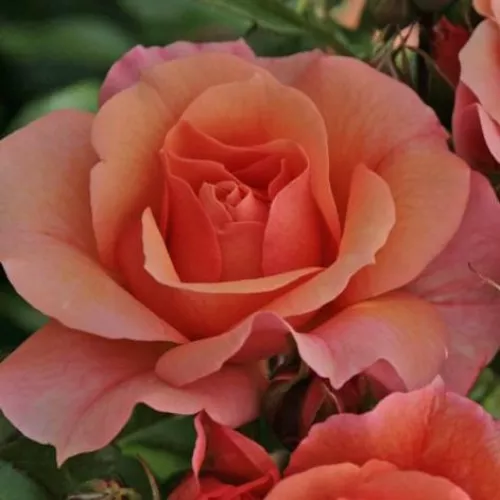
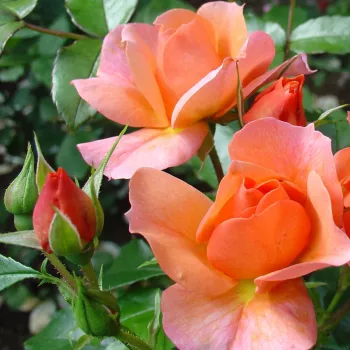
Semi‑double, medium‑sized clusters of 13–25 petals on branching stems, cup‑shaped then opening flatter. Remontant habit with plentiful repeat flushes, and good self‑cleaning as most spent blooms drop naturally. |
| Colour data and phenology |
Warm peach‑orange flowers with rosy tint; buds deep peach‑orange with golden tips, ageing to softer apricot‑pink, sometimes pinkish in strong sun. ARS colour OB, RHS 24A outer, 24C inner petals before fading. |
| Fragrance and aroma |
Mild, fresh, fruity scent that is noticeable at close range but not dominant. Provides a gentle background fragrance suitable for entrances, seating areas and compact gardens where strong perfume may be overwhelming. |
| Hip characteristics |
Produces small spherical orange‑red hips, roughly 7–10 mm across, in moderate numbers after flowering. These add subtle late‑season interest and a soft accent of colour without heavy fruiting. |
| Resistance and winter hardiness |
Hardy to about −26 to −23 °C (RHS H7, Swedish zone 4, USDA 5b). Shows moderate resistance to black spot and mildew, good rust resistance, and tolerates heat with some drought if watered in extended dry spells. |
| Horticultural recommendations |
Best in sunny, well‑ventilated sites with fertile, well‑drained soil; prefers peat‑free mixes in containers. Plant at 35–65 cm depending on use, water well in dry periods, and prune annually to renew flowering wood. |
APRIKOLA® offers compact structure, generous repeat flowering and a long‑lived, regenerating own‑root habit, making it a dependable choice for understated, sustainable colour where you would like lasting ease and character.