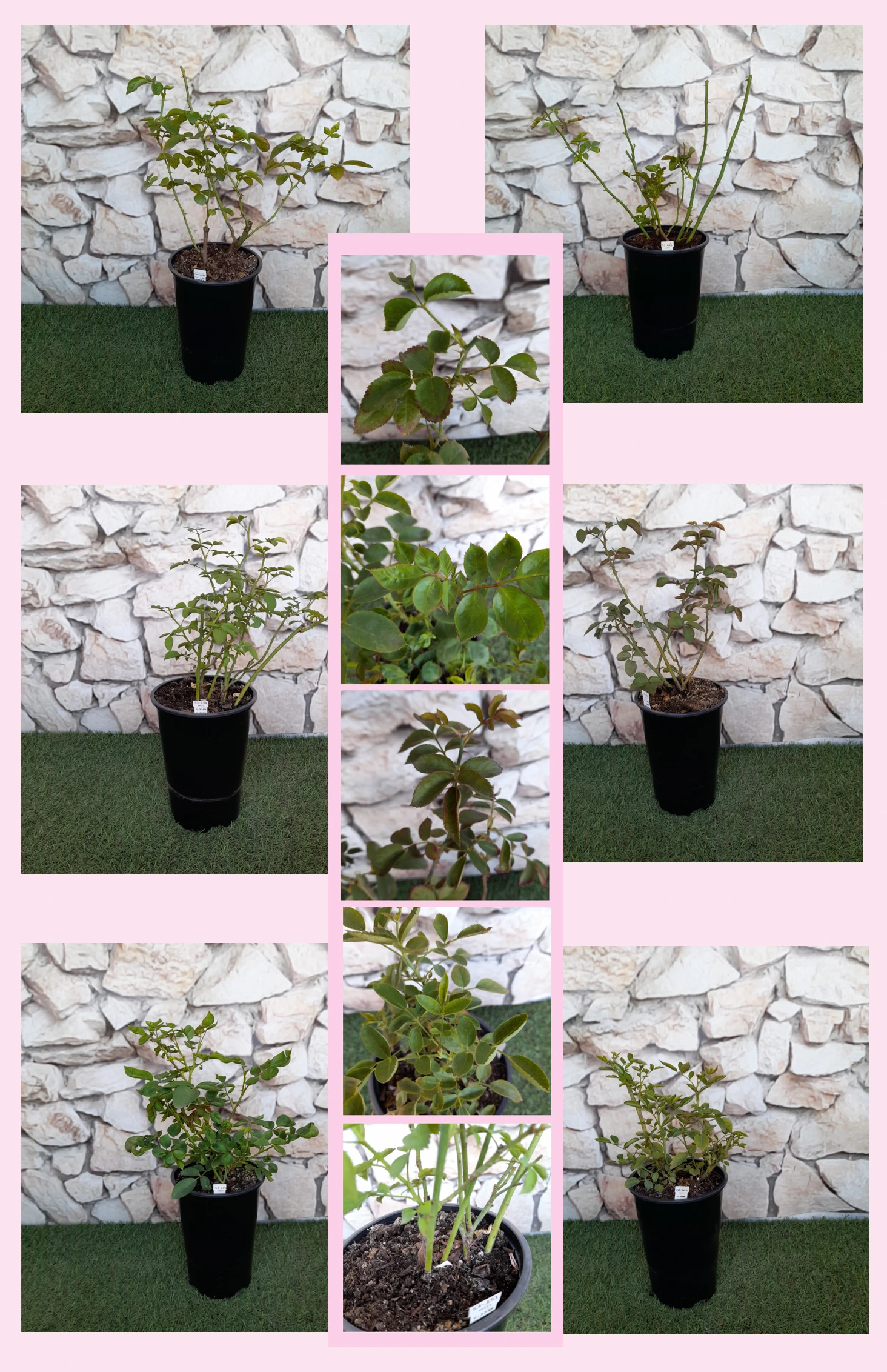
ARIEL – orange hybrid tea rose - Bees
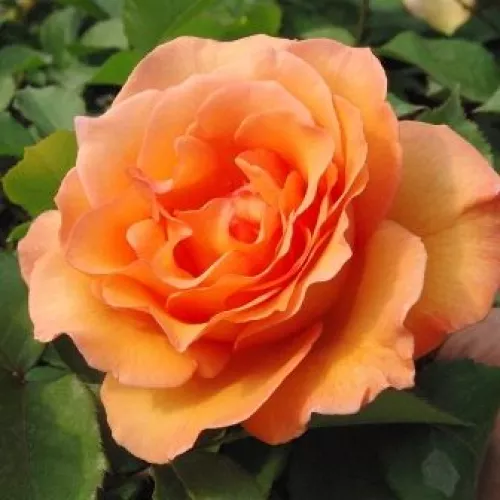
Step from pavement to garden and into a world of balance, where ARIEL’s glowing orange tea blooms bring a sense of calm after summer showers and cope well with blustery, damp coastlines. This classic 1920s hybrid tea settles reliably as an own-root shrub, building a deep, resilient root system for a long, steady life with minimal upkeep. In a small London front garden or on a balcony in large 40–50 litre containers, its upright, bushy habit slots easily between paving, permeable gravel and rainwater-saving barrels, helping you keep the space orderly yet soft. Year by year it grows more enduring, showing strong black-spot resistance and medium fragrance that drifts on cool air after rain. Within three seasons you will see roots establishing, shoots strengthening and then full ornamental abundance, giving you a sustainable rose that feels both modern and quietly nostalgic.
Usage options
| Target area | Reasoning |
|---|
| Rainwater-friendly front garden planting strip |
ARIEL’s compact, upright habit makes it ideal for narrow soil strips between house and pavement, leaving room for permeable surfaces and simple rainwater runoff management in typical urban front gardens, especially for the busy homeowner. |
| Feature rose in a small family flower bed |
The bushy shape and large, glowing blooms give a clear focal point without taking over the bed, offering structure from a modest footprint that suits average-sized family gardens and relaxed weekend gardeners. |
| Cut-flower row or cutting corner |
As an exhibition-type hybrid tea with long, straight stems and ball-shaped flowers, ARIEL is well suited for home-cut blooms, providing repeat flushes of characterful stems for vases for the hobby arranger. |
| Own-root long-term specimen in a front garden |
Grown on its own roots, ARIEL develops steadily into a durable shrub with reliable regrowth from the base, supporting a long planting life and stable shape that appeals to the long-term planner. |
| 40–50 litre container on balcony or patio |
In a generous, well-drained pot of at least 40–50 litres, its moderate size is easy to manage, with enough root volume for moisture buffering and steady flowering, suiting the space-conscious balcony owner. |
| Mixed rose and perennial border on heavier soils |
Placed in a sunny, well-prepared spot with improved drainage, ARIEL performs reliably even where clay holds winter wet, complementing hardy perennials and suiting UK gardens that face cool, damp winters for the practical gardener. |
| Family garden rose with moderate care needs |
Moderate disease resistance, including useful black spot resistance, means fewer interventions than older hybrid teas, while occasional checks keep it smart and flowering, a realistic balance for the time-poor beginner. |
| Traditional-style rose bed with historic character |
With 1920s breeding and a Royal National Rose Society Gold Medal background, ARIEL anchors a classic rose bed with heritage charm that still works in contemporary sustainable layouts, pleasing the heritage enthusiast. |
Styling ideas
- Heritage Focus – Plant ARIEL in a small formal bed edged with low box or alternative evergreen edging, letting its 1920s character echo period London terraces – ideal for lovers of traditional front gardens.
- Sunset Duo – Combine with soft mauve nepeta or lavender to cool its warm orange-yellow tones, creating a gentle dusk-like palette – perfect for busy owners wanting harmony with minimal effort.
- Terrace Pot – Grow one plant in a 40–50 litre terracotta container with free-draining peat-free compost, underplanted with trailing thyme for a tidy, fragrant entrance – suited to compact urban spaces.
- Cutting Corner – Line up several ARIEL plants in a narrow side strip to harvest straight, fragrant stems for the house, mixing with airy grasses for support – good for families who enjoy home-grown bouquets.
- Rain-Garden Edge – Position ARIEL beside a permeable gravel path and low sage or salvia, so intense colour rises from a soft, water-wise base – appealing to sustainability-minded city gardeners.
Technical cultivar profile
| Property | Data |
|---|
| Name and registration |
Hybrid tea rose, Pernetiana group; trade name ARIEL (Bees). Exhibition hybrid tea used for cut flowers; long-established, unregistered historic variety with verified authenticity for discerning collectors. |
| Origin and breeding |
Bred in the United Kingdom by Bees Ltd. around 1920 from ‘Madame Edouard Herriot’ × ‘Natalie Boettner’; introduced by Bees Ltd. and Sealand Nurseries in 1922 for garden and cutting use. |
| Awards and recognition |
Royal National Rose Society Gold Medal (1920), highlighting its early twentieth-century excellence and confirming its enduring ornamental value in traditional and modern garden settings. |
| Growth and structural characteristics |
Upright, bushy shrub reaching around 60–90 cm high and 50–70 cm wide, with moderately dense, slightly glossy mid-green foliage and moderate prickliness, forming a neat, manageable garden rose. |
| Flower morphology |
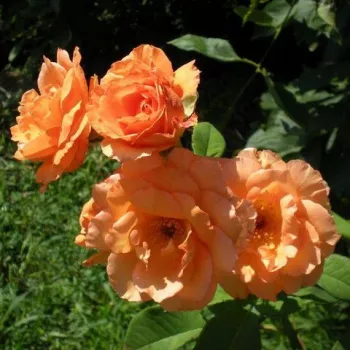
Semi-double, ball to pompon-shaped hybrid tea flowers, typically borne singly on stems; around 13–25 petals per bloom, large-flowered with remontant habit and a strong second flush in suitable conditions. |
| Colour data and phenology |
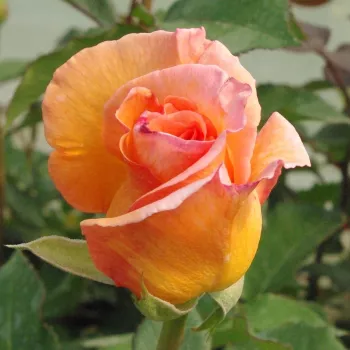
Medium-bright yellow base with orange and scarlet tones, changing from golden buds with orange-red flush to vivid orange-yellow, then softening to creamy, buttery yellow with pinkish, paler scarlet edges. |
| Fragrance and aroma |
Medium-strength, clearly noticeable scent with a sweet and spicy character; fragrance is distinct enough for cutting and close seating areas without overwhelming smaller city or courtyard gardens. |
| Hip characteristics |
Occasionally forms small, egg-shaped hips about 10–14 mm across, coloured orange-red; decorative in autumn but generally not prolific enough for heavy wildlife or culinary use in most gardens. |
| Resistance and winter hardiness |
Hardy to around −21 to −18 °C (RHS H7, Swedish Zone 3, USDA 6b). Moderately resistant overall, with useful black spot resistance and moderate tolerance to powdery mildew and rust when well sited. |
| Horticultural recommendations |
Best in full sun with fertile, well-drained soil; prefers improved clay or chalk with added organic matter. Space 35–65 cm apart depending on use; maintain with moderate pruning and routine health checks. |
ARIEL combines compact hybrid tea elegance, reliable flowering for cutting, and the steady longevity of an own-root shrub, making it a thoughtful choice for sustainable small gardens and terraces you may wish to refine over time.