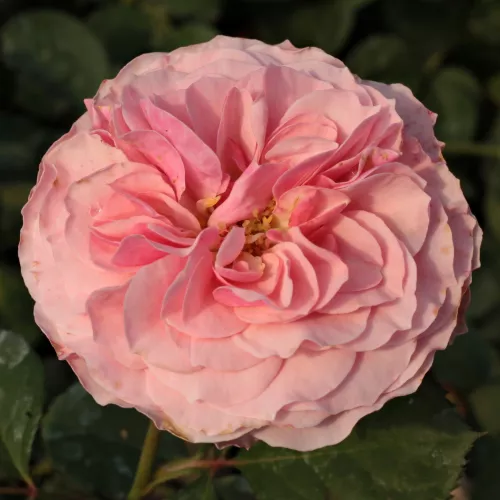
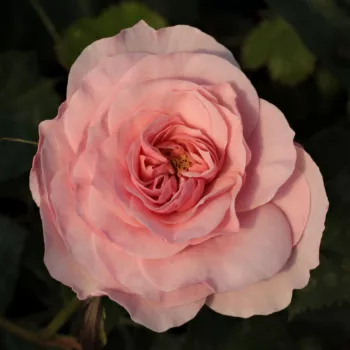
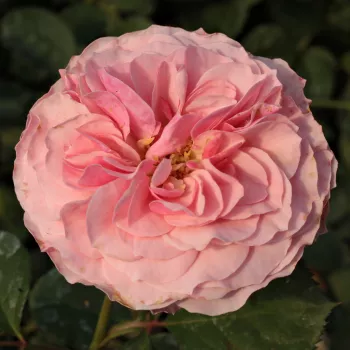
ÁRPÁD-HÁZI PRÁGAI SZENT ÁGNES – pink bedding floribunda rose
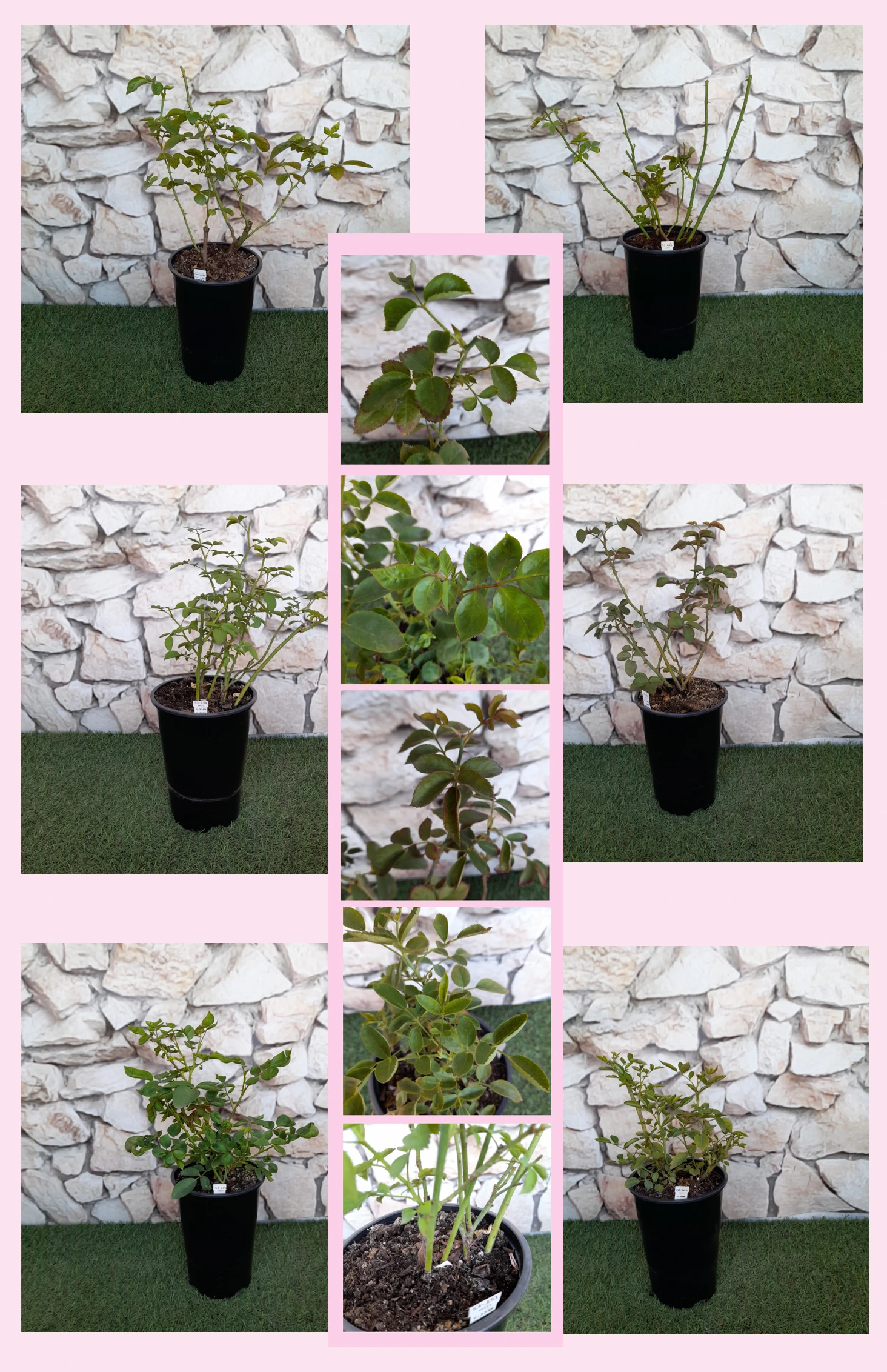
Imagine a London front garden where rain has just eased and the path is lined with pastel blooms: ÁRPÁD-HÁZI PRÁGAI SZENT ÁGNES settles calmly into family gardens, coping well with blustery, wet spells and heavier, moisture-holding soils. Its bushy habit forms a softly rounded shrub, ideal for modest beds or a welcoming hedge, while the restrained, sweet fragrance suggests a gentle, soapy freshness rather than an overpowering perfume cloud. Repeating flushes of flowers keep the display going across the season, and own-root resilience means a long-lived plant that can regenerate from the base if stems are damaged. In the first year it concentrates on roots, the second year brings stronger shoots, and by the third season you can expect its full ornamental value in a balanced, sustainable garden rhythm.
Usage options
| Target area | Reasoning |
|---|
| Small London front garden bed |
The compact, bushy form fits narrow, street-side borders without overwhelming neighbouring plants or pathways, while the refined pastel pink gives a tidy, welcoming look that suits brick terraces and small-family homes seeking easy elegance for beginners. |
| Low flowering hedge along a path |
Regular height and dense branching allow a softly defined hedge that guides visitors without feeling formal; consistent colour from repeated flowering keeps boundaries attractive for longer, supporting everyday structure for homeowners. |
| Rainwater-friendly urban planting strip |
This variety tolerates heat and moderate drought yet copes well when rain lingers in heavier soils, making it suitable for rainwater-fed front beds that swing between wet spells and dry intervals for sustainability-minded. |
| Large container on balcony or patio |
In a 40–50 litre pot with good drainage, its upright, bushy silhouette and pastel blooms create a compact focal point that is simple to maintain and easy to water with saved rainwater for urbanites. |
| Mixed flowerbed with perennials |
The calm porcelain-pink tones blend beautifully with soft greens and blues, pairing well with lady’s mantle or nepeta to give gently layered, long-season planting that looks considered without complex maintenance for hobby-gardeners. |
| Cut flowers for the house |
Long-stemmed, cup-shaped double blooms with a mild, sweet scent lend themselves to small jug or vase arrangements, adding a refined but understated touch to interiors for flower-lovers. |
| Family-friendly play garden edge |
Moderate prickles, medium maintenance needs and reliable reblooming make it suitable for edging lawn or play areas where you want beauty without a demanding care routine for busy-parents. |
| Long-term structural planting in parks |
Good winter hardiness and own-root longevity mean shrubs keep their role for years, even if stems suffer from weather or pruning mishaps, maintaining a stable, low-fuss framework for long-term-planners. |
Styling ideas
- Terrace-Welcome – Line a short front path with repeated bushes underplanted with lady’s mantle to echo the pastel pink with frothy lime-green, ideal for city terraces wanting soft formality – for beginners.
- Pastel-Ribbon – Create a low hedge along a lawn edge, interspersing plants with lavender for scent and movement, giving a subtle, feminine border – for homeowners.
- Rain-Garden – In a slightly sunken bed that gathers roof runoff, combine with hemp-agrimony and ornamental grasses for a loose, rain-fed, wildlife-friendly look – for sustainability-minded gardeners.
- Balcony-Glow – Plant one shrub in a 50-litre container with trailing lobelia to spill over the rim, making a soft pink-and-blue accent by the seating area – for urbanites.
- Fairytale-Mix – Weave between nepeta, sage and low ornamental grasses in a mixed border for a gentle, storybook palette that stays attractive across the season – for hobby-gardeners.
Technical cultivar profile
| Parameter | Data |
|---|
| Name and registration |
ÁRPÁD-HÁZI PRÁGAI SZENT ÁGNES is a floribunda bed rose marketed as a flowerbed shrub rose; commercial distribution by PharmaRosa® Ltd., with cultivar authenticity verified for consumer planting. |
| Origin and breeding |
Bred by Hungarian rosarian Márk Gergely around 1998, with parentage data not recorded; introduced via PharmaRosa® and selected for decorative, reliable garden performance rather than exhibition showing. |
| Growth and structural characteristics |
Bushy, upright shrub reaching about 100–140 cm in height and 65–95 cm in spread, with dense, mid-green, slightly glossy foliage and moderate thorniness, forming a full, rounded presence in beds or hedges. |
| Flower morphology |
Double, cup-shaped blooms of 26–39 petals, usually solitary on stems; large flowers in the 2.75–3.95 inch range, remontant with abundant second flushes under normal garden care and regular deadheading. |
| Colour data and phenology |
Soft, uniform pastel pink with porcelain tones; creamy buds open light pink, gradually fading to almost whitish pink, colour-coded RHS 65C–65D, with a delicate, translucent effect at full bloom in good light. |
| Fragrance and aroma |
Mild, restrained sweet fragrance with a gentle, clean character; noticeable close-up without dominating nearby seating areas, suitable for those preferring subtle scents over strongly perfumed garden roses. |
| Hip characteristics |
Occasional ellipsoid hips about 8–12 mm across, maturing to orange-red; decorative in a modest way in late season, though not typically produced in heavy quantities for display or wildlife value. |
| Resistance and winter hardiness |
Rated hardy to approximately −21 to −18 °C (RHS H7, USDA 6b, Swedish zone 3); tolerates heat and moderate drought, with medium resistance to black spot, mildew and rust under typical garden conditions. |
| Horticultural recommendations |
Best in sunny sites with well-drained yet moisture-retentive soil; plant at 50–55 cm for hedges or bedding, and provide a 40–50 litre container for pot culture, using regular feeding and occasional plant protection. |
ÁRPÁD-HÁZI PRÁGAI SZENT ÁGNES offers long-season pastel blooms, a bushy, space-efficient habit and durable own-root growth, making it a thoughtful choice for relaxed, low-effort family or urban gardens you plan to enjoy for years.