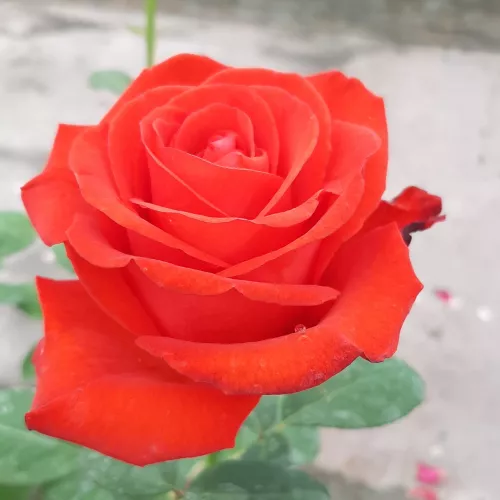
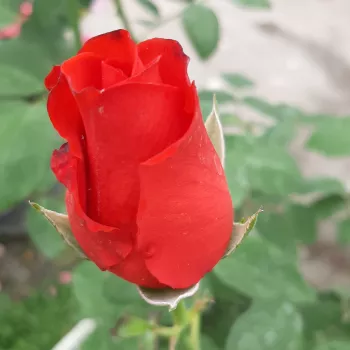
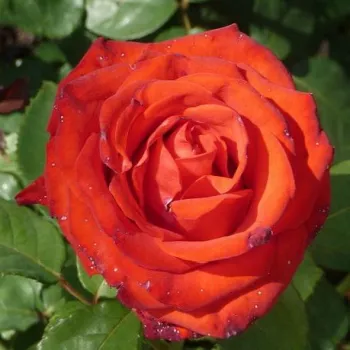
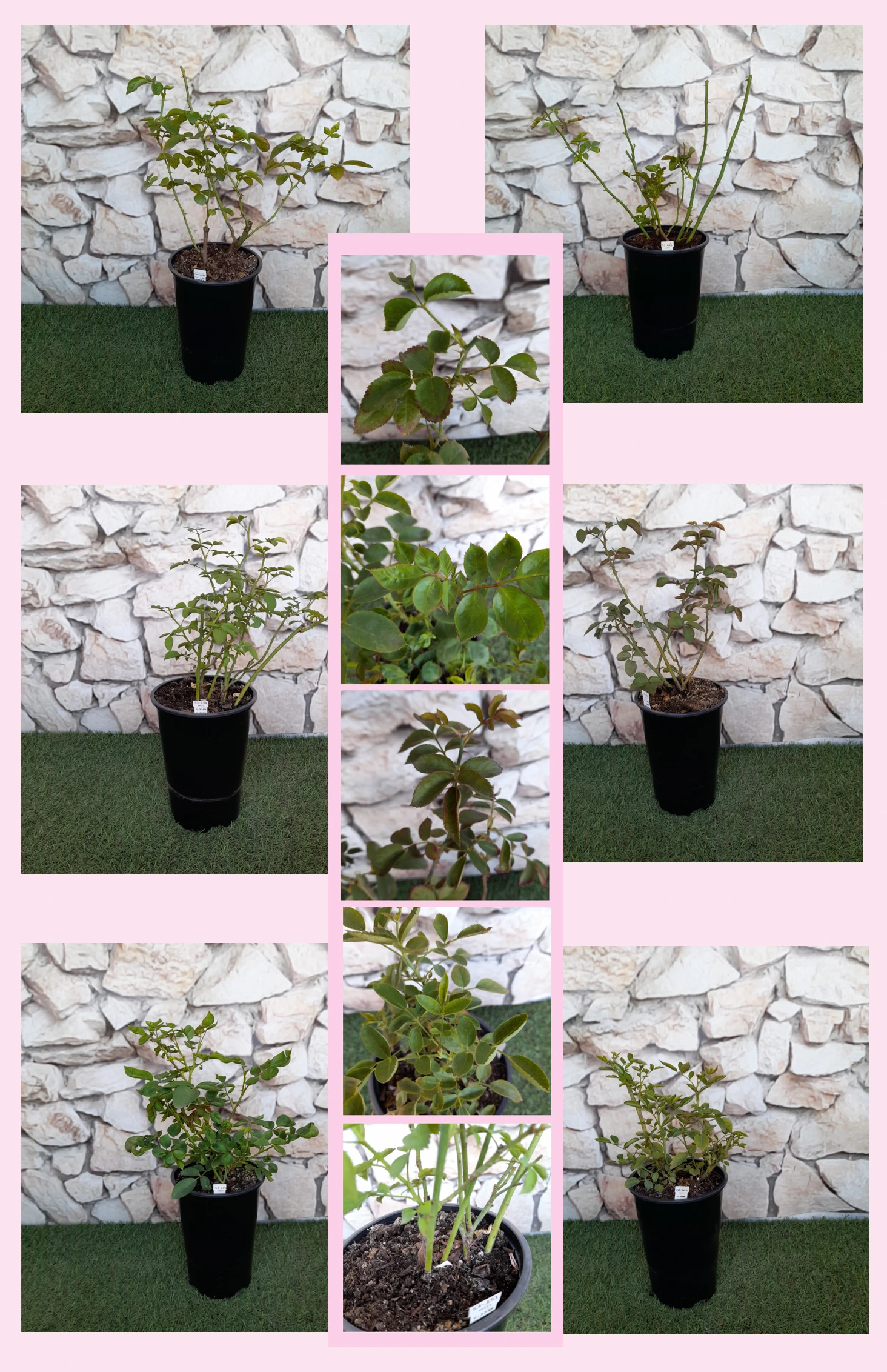
ASJA™ – orange-red hybrid tea rose – McGredy
In a compact London front garden or small family plot, ASJA™ offers an easy route to a refined, colourful focal point: its upright habit and vivid orange-red blooms bring balanced structure without demanding complex care routines. This own-root rose settles steadily, promising long-term resilience and graceful regeneration if pruned back or affected by weather. Over time you can expect a natural progression from strong roots in the first season, through confident new shoots in the second year, towards full ornamental impact by the third. Flowers appear repeatedly through the season, providing sustained colour in narrow borders and along paths, while its medium maintenance needs remain manageable for busy households. Suited to typical British gardens that experience regular rainfall and heavier soils, it copes well where good drainage supports healthier foliage in damp, windy conditions. Ideal for pairing with low-maintenance perennials and shrubs in a green, rainwater-conscious design.
Usage options
| Target area | Reasoning |
|---|
| Front garden focal point |
ASJA™’s upright habit and bright orange-red blooms create a clear vertical accent in a narrow front border without overwhelming small spaces, offering a tidy, structured look that suits paved or gravelled terraces for the urban homeowner who values structure. |
| Long-season colour strip |
The remontant flowering brings flush after flush from early summer well into autumn, so a slim bed along a path can stay lively without constant replanting, supporting a sense of continuity and calm for those who enjoy extended colour. |
| Low-upkeep family rose bed |
Moderate disease resistance, especially to black spot, means routine checks and occasional treatments are usually sufficient, avoiding complicated regimes while keeping foliage presentable for families who prefer straightforward care. |
| Rainwater-conscious clay border |
Once established in improved, free-draining soil, this own-root shrub forms a stable framework that can handle typical UK wet spells, fitting neatly into a planting plan where rainfall is guided into beds and managed sensibly by gardeners seeking practical resilience. |
| Own-root longevity planting |
Being grown on its own roots rather than grafted helps the plant recover reliably from hard pruning or winter damage, maintaining its character and bloom quality over many years, appealing to those who value long-term garden stability. |
| Cut-flower corner |
Large, high-centred, double blooms on upright stems make ASJA™ well suited to cutting, so even a single bush can supply vases indoors, adding a touch of classic hybrid tea elegance for home florists who enjoy regular harvests. |
| Medium container on terrace or balcony |
Planted in a 40–50 litre pot with good drainage, ASJA™ stays proportionate and upright, bringing structured colour to small patios or balconies where ground space is limited but a single, reliable feature plant is welcomed by compact-space gardeners. |
| Structured mixed planting with perennials |
Its clear form and saturated orange-red flowers pair well with cool-toned partners like lavender, sage or nepeta, providing contrast and rhythm that keeps beds readable and calm for design-minded owners who appreciate visual balance. |
Styling ideas
- Terraced-elegance – Line a short front-garden path with ASJA™ and underplant with low lavender for scent and a cool contrast to the orange-red flowers – ideal for city homeowners wanting refined kerb appeal.
- Rainwise-border – Place one or two plants in a slightly raised clay bed with gravel mulch, interspersed with nepeta and hardy grasses – suited to those managing rainwater run-off in compact gardens.
- Balcony-feature – Grow ASJA™ in a 45-litre container with free-draining peat-free compost, adding trailing thyme at the rim – perfect for balcony gardeners seeking a single, tidy statement rose.
- Family-cutting – Group three bushes in a sunny corner to create a small cutting patch, edging with low sage to frame stems for easy picking – for families who enjoy taking their own blooms indoors.
- Sunset-contrast – Combine ASJA™ with dusky purple verbena and dark foliage shrubs for a rich evening palette that stays structured – aimed at hobby gardeners who like bold yet orderly schemes.
Technical cultivar profile
| Property | Data |
|---|
| Name and registration |
Hybrid Tea rose, exhibition-type cut-flower cultivar marketed as ASJA™, with American Rose Society approved exhibition name Asja; part of the hybrid tea rose commercial group, verified for authenticity. |
| Origin and breeding |
Bred by Samuel Darragh McGredy IV of McGredy Roses International, New Zealand; parentage unknown; introduced and registered in 1998, reflecting modern hybrid tea breeding lines. |
| Growth and structural characteristics |
Upright bush reaching about 95–125 cm in height and 60–85 cm spread, moderately dense, slightly glossy medium-green foliage, and moderate thorniness, forming a balanced, well-proportioned shrub. |
| Flower morphology |
Large, double blooms with 26–39 petals, cupped shape and pronounced high centre; mainly solitary on stems, with strong repeat flowering and a second flush that is noticeably abundant in season. |
| Colour data and phenology |
Vivid orange-red base (RHS 34A outer, 34B inner); buds deep orange-red, opening bright and silky, edges slightly lighter, then maturing to a uniformly muted red–orange before eventual fading. |
| Fragrance and aroma |
Fragrance is very weak, with a discreet, delicately spicy character; primarily appreciated for colour and form rather than scent, making it suitable where strong perfume is not desired. |
| Hip characteristics |
Hip set is usually sparse due to double flowers; where formed, hips are small ellipsoids about 10–14 mm across, coloured orange-red and generally of minor ornamental significance. |
| Resistance and winter hardiness |
Hardy to approximately −21 to −18 °C (RHS H7, Swedish zone 3, USDA 6b); disease resistance moderate overall, with good resistance to black spot and moderate tolerance of mildew and rust. |
| Horticultural recommendations |
Best in sunny sites with improved, free-draining soil; recommended spacing 40–75 cm depending on use, with planting densities around 4.2–4.8 plants/m², and medium maintenance including occasional plant protection. |
ASJA™ offers upright structure, long-season colour and dependable own-root resilience in a compact hybrid tea form, making it a thoughtful choice if you value lasting impact from a single rose.