SNOW TEARS – white landscape shrub rose
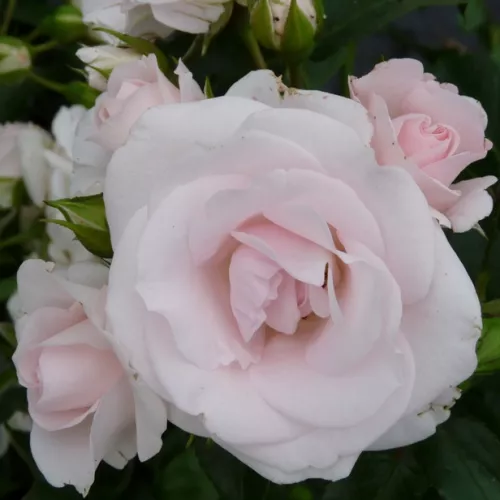
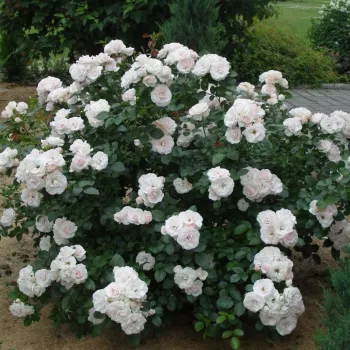
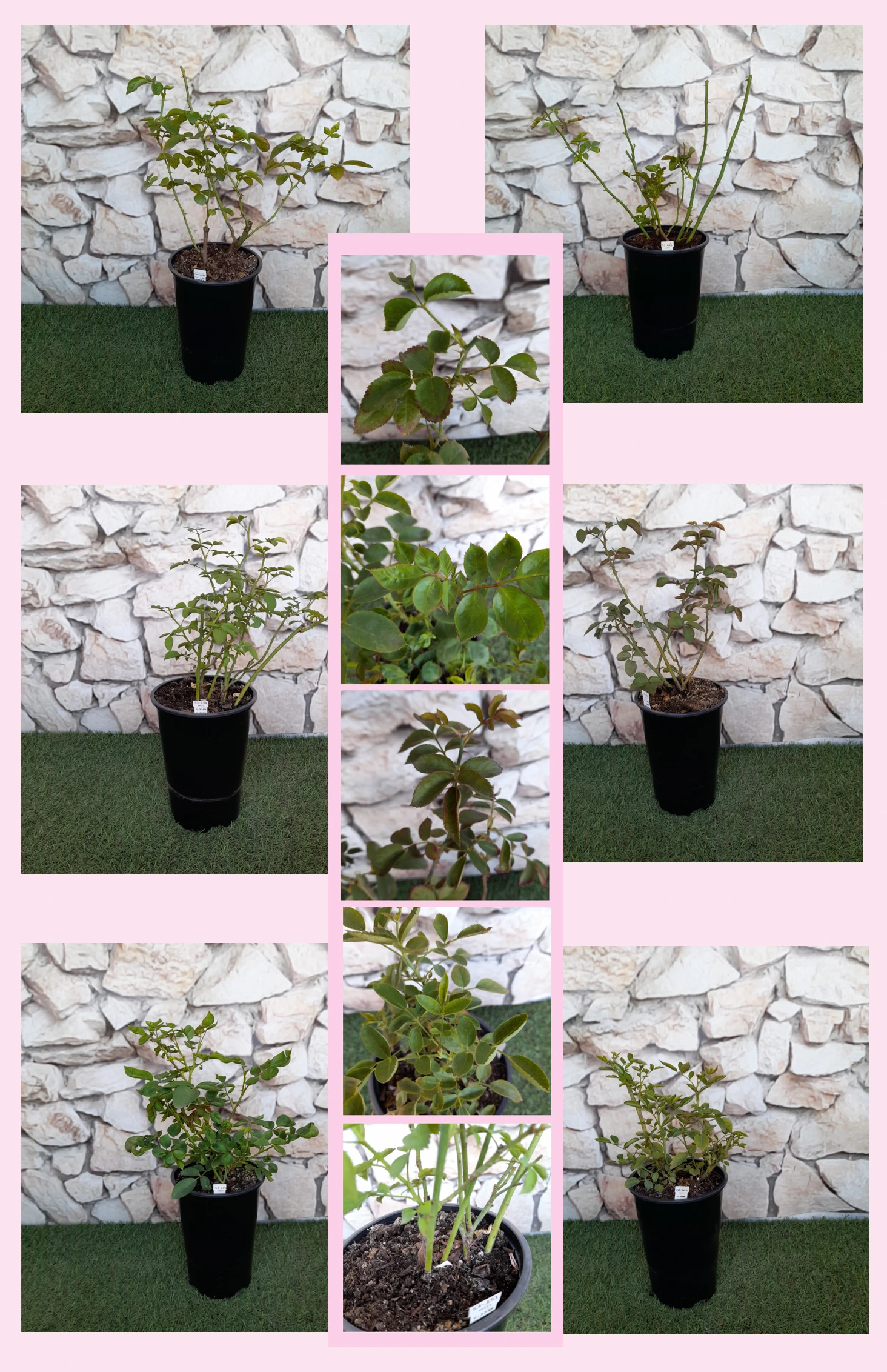
Imagine stepping out after rain into clear, cool air where balance returns and your front garden feels instantly refreshed: SNOW TEARS is a compact floribunda that thrives even where heavy clay needs careful drainage, giving reliable structure in tight London terrace spaces. Its pure white, cup-shaped clusters bring a calm, remontant rhythm of bloom from early summer well into autumn, so you enjoy months of gentle colour without complicated pruning. Bred for resilience, it shows notably strong disease resistance, keeping mid‑green foliage clean and glossy with minimal spraying, and its hardy framework copes well with typical UK winters. As an own‑root rose it builds a stable, long‑lived root system, regenerating well if cut back and maintaining steady ornamental value over the years. In massed beds, low hedges or a single statement by the path, the snow‑white flowers catch evening light and reflect it back into small spaces, while the light, refreshing fragrance adds a subtle finishing touch. In a large container of at least 40–50 litres, it settles in reliably, with Year 1 focused on roots, Year 2 on fuller shoots, and by Year 3 revealing its complete presence in your everyday view, all with reassuringly low maintenance needs.
Usage options
| Target area |
Reasoning |
| Low-maintenance family front garden |
Compact height and upright habit make SNOW TEARS easy to place along paths or near doorways without crowding windows, while its low care needs and clean foliage suit busy households seeking reliable structure and seasonal flower interest for beginners. |
| Urban terrace with heavy soil |
This rose performs well where typical city plots have dense, moisture-holding ground, responding positively when you improve topsoil so excess water can move away from the roots, helping it cope gracefully in wetter spells for urbanites. |
| Long-season flowering border |
Remontant flowering brings successive waves of pure white clusters, keeping beds lively from early summer to autumn without complex deadheading regimes, ideal where you want ongoing impact around seating areas for families. |
| Resilient low hedge or edging |
The moderately dense, upright framework and planting distances allow you to form a neat, low hedge that holds its line, with strong disease resistance supporting a stable, long-lasting outline along drives or boundary paths for homeowners. |
| Mass planting for calm structure |
Regular spacing quickly builds a coherent block of mid‑green foliage topped with snow‑white bloom clusters, giving modern, uncluttered rhythm in front gardens without complex plant mixes, suiting simple, graphic designs for minimalists. |
| Large container on balcony or patio |
In a 40–50 litre or larger container with good drainage, this compact shrub develops a strong own‑root system, helping it recover from setbacks and provide dependable flowering on balconies or patios with modest daily care for renters. |
| Cold-exposed sites and coastal winds |
With hardiness down to approximately -26 °C and a sturdy, upright habit, SNOW TEARS is well suited to cooler or breezier locations, retaining framework and flower performance where some roses struggle, supporting robust displays for coast-dwellers. |
| Lightly scented evening seating area |
The blooms release a light, refreshing fragrance that gently lifts still evening air without overwhelming small courtyards, pairing well with herbs such as dwarf lavender or rosemary to create a soothing, understated ambience for sensitives. |
Styling ideas
- Soft-hedge – Plant a single row along a small front boundary, spacing plants evenly to form a low, cloud-like white edging that stays neat without formal clipping – ideal for family homes seeking gentle structure.
- Terrace-Focus – Use one plant as a focal point in a large pot near the front door, underplanting with trailing thyme to soften the rim and echo the fresh, clean colour scheme – suited to busy urban households.
- Monochrome – Create a calm white-and-green bed by combining SNOW TEARS with dwarf lavender and rosemary, relying on foliage contrast and long flowering rather than strong colour – perfect for contemporary city gardens.
- Rain-Garden – Position plants in a slightly raised strip beside a permeable driveway, where improved soil helps manage surface water while the robust shrub form brings order – useful for practical, eco-aware front gardens.
- Cottage-Stripe – Alternate this rose with compact evergreen shrubs such as ‘Miki’ cherry laurel along a narrow path, giving rhythmic white highlights against a green backdrop – appealing to those who like traditional charm in small spaces.
Technical cultivar profile
| Parameter |
Data |
| Name and registration |
SNOW TEARS is a floribunda, landscape shrub rose from the Bedding rose collection, marketed as a white landscape shrub rose; commercial and ARS registered names beyond the trade name are not recorded. |
| Origin and breeding |
Discovered in Hungary in 1989 and later introduced by PharmaRosa® Ltd., the parentage and original breeding institution remain unknown, but the cultivar has proven reliable under Central European and similar temperate garden conditions. |
| Growth and structural characteristics |
Compact, upright shrubs typically reach about 50–70 cm in height with a 55–85 cm spread, carrying moderately dense, glossy mid‑green foliage and moderate prickliness, lending themselves well to edging, bedding and small-hedge uses. |
| Flower morphology |
Medium-sized, double, cup-shaped flowers with around 26–39 petals are borne in clusters; they repeat well through the season, giving abundant second flushes without demanding complicated pruning or intensive deadheading work. |
| Colour data and phenology |
Blooms open bright snow-white with a slight ivory centre (RHS 155 C–D), holding a pure white face that slowly shades to cream at the petal edges before fading, giving consistently cool, luminous tones through their flowering life. |
| Fragrance and aroma |
The scent is light and refreshing rather than strong, adding a subtle, clean note around paths or seating without dominating confined spaces, making the variety suitable where gentle background fragrance is preferred over intense perfume. |
| Hip characteristics |
Occasional small rose hips develop after flowering, typically 10–15 mm in diameter; they are not the primary ornamental feature but may add a modest seasonal detail in late season if spent flowers are left untrimmed. |
| Resistance and winter hardiness |
Rated to about -26 to -23 °C (RHS H7, Swedish zone 4, USDA 5b), it shows good resistance to major fungal diseases including powdery mildew, black spot and rust, reducing dependence on chemical controls in most gardens. |
| Horticultural recommendations |
Best suited to low-maintenance beds, mass plantings and low hedges at 55–90 cm spacing, with recommended densities around 2.8–3.2 plants/m²; own-root plants favour long-term stability if planted in well-prepared, free-draining garden soil. |
SNOW TEARS offers compact habit, long-season white flowering and dependable disease resistance in an own-root form that builds lasting structure with modest care, making it a thoughtful addition to a well-planned family garden.