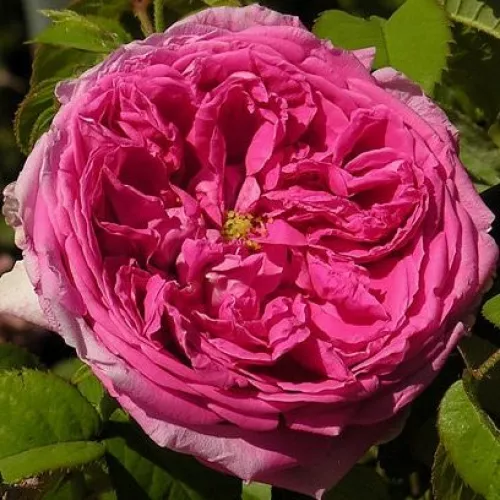
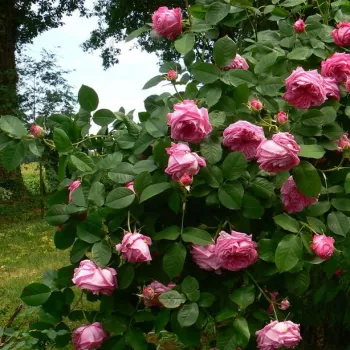
AURELIA LIFFA – pink historic - old garden rose - Geschwind
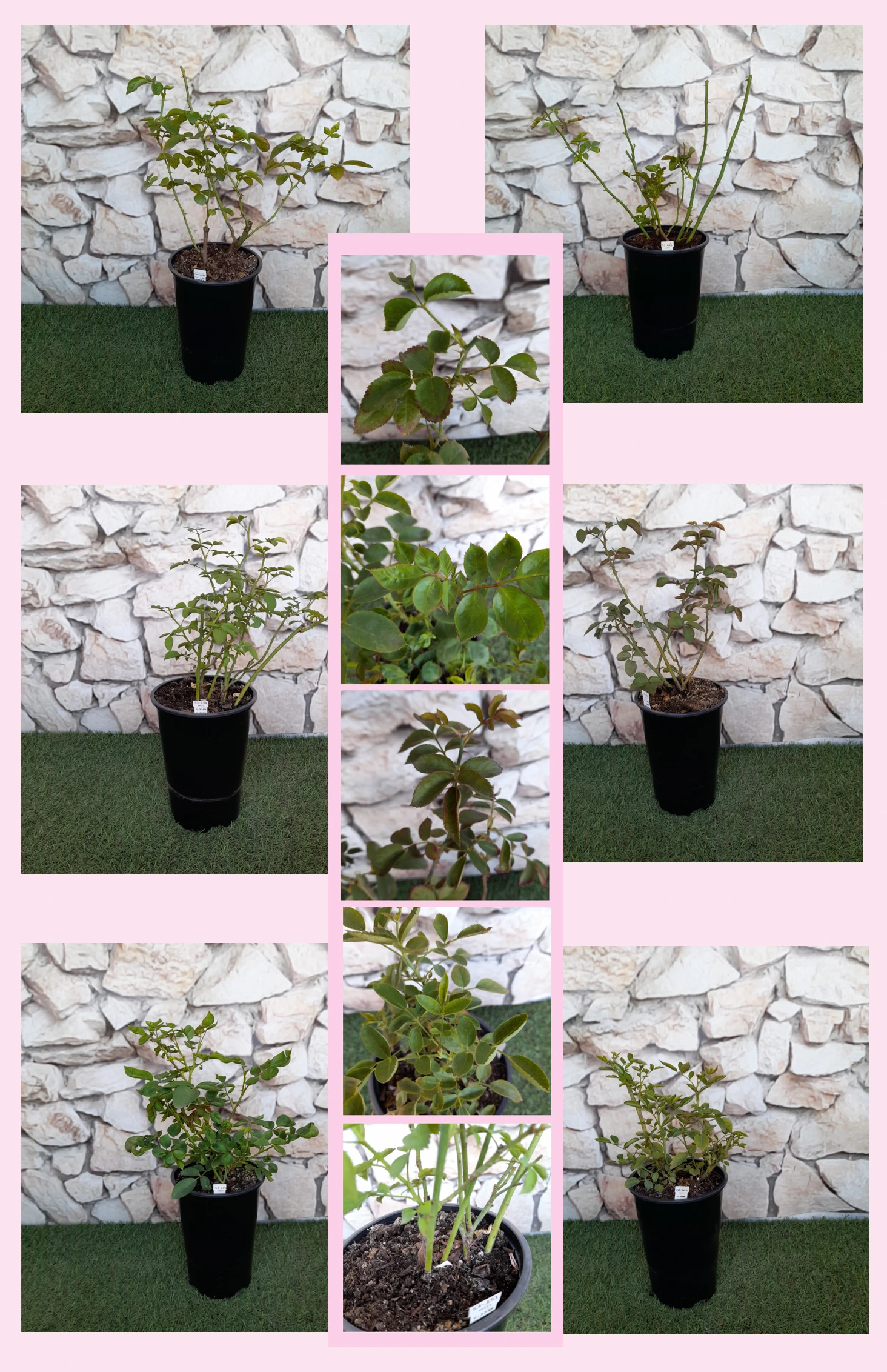
Imagine a narrow London front garden softened by cascading petals, the air filled with strong, classic old-rose fragrance after steady rain has glossed the dark green foliage. This nineteenth-century climbing rose brings sculptural vertical structure to fences, porches and pergolas, thriving where cool summers meet moist, heavy soils and regular showers test lesser plants with persistent wind and humidity. Trained with care, its arching canes create romantic screens and arched walkways, while the own-root form supports a long-lived framework that settles in gradually, with roots in year one, stronger shoots by year two, and full ornamental presence by year three.
Usage options
| Target area |
Reasoning |
| Front-garden pergola or arbour |
Use along a simple timber or metal frame to create a tall, flower-laden tunnel of once-a-year spectacle that perfumes the whole front garden and visually softens hard boundaries for those planning a romantic focal point for occasional, deliberate gardeners. |
| Wall-trained feature on terraces |
Fan-train the long canes against a sunny or lightly shaded house wall to maximise vertical impact in compact London plots, using wires or trellis to shape a flat, architectural curtain of blooms suitable for homeowners who enjoy structured, high-impact displays. |
| Screening along fences or boundaries |
Plant in a loose row along side or rear fences, allowing the dense foliage and prickly growth to create a living privacy screen with seasonal colour, suited to families wanting a characterful, traditional barrier rather than plain panels. |
| Solitary specimen in a lawn or gravel bed |
Give the plant space on its own support in the middle of a lawn or gravel garden so its once-flowering show becomes a seasonal event, ideal for gardeners who value a strong, sculptural statement over continuous low-key colour. |
| Historic or cottage-style planting schemes |
Combine with clematis and old-fashioned perennials to echo late-Victorian gardens, where richly scented, very full blooms are framed by informal planting, rewarding enthusiasts who appreciate heritage roses and period-appropriate combinations. |
| Part-shade side passage or alley |
Exploit its tolerance of partial shade by clothing side passages or north-east aspects where many roses struggle, using the height to brighten overlooked corners for urban owners with narrow plots seeking vertical interest in tricky light. |
| Cool, moist and breezy coastal gardens |
In exposed or cooler districts, its hardiness and robust framework cope with wind and damp, making it a candidate where frequent showers and strong breezes challenge more delicate climbers for coastal gardeners who value resilience over perfection. |
| Long-term framework planting in established gardens |
Choose this own-root, long-lived rose where a permanent climbing structure is desired, as it can regenerate from the base and form a durable framework that rewards patient, hands-on rose keepers over many years. |
Styling ideas
- VICTORIAN PERGOLA – Train Aurelia Liffa over a wooden arch with Clematis ‘Jackmanii’ threading through, letting the deep pink and purple flowers mingle – ideal for period terraces and heritage-leaning city gardeners.
- ROMANTIC FACADE – Cover a south- or east-facing brick wall, pairing the rose with soft blue Brunnera at ground level – suited to homeowners wanting a storybook cottage feel on an urban street.
- SECRET PASSAGE – Use the rose in partial shade along a side path, with low mounds of nepeta edging the route – perfect for families creating a fragrant, slightly wild walkway between front and back gardens.
- STATEMENT SCREEN – Plant a short run of plants on sturdy posts and wires to divide drive and garden, underplanting with lavender for scent and structure – for those seeking a traditional yet practical boundary.
- HERITAGE CORNER – Build a small seating nook framed by an arbour of Aurelia Liffa, with old-style iron furniture and pots of sage – appealing to collectors and rose lovers curating a historic-feeling retreat.
Technical cultivar profile
| Parameter |
Data |
| Name and registration |
Old rose climbing cultivar from the Historic rose collection, traded as Aurelia Liffa – pink historic - old garden rose - Geschwind; ARS exhibition name Aurelia Liffa; unregistered cultivar name. |
| Origin and breeding |
Bred in Hungary in 1885 by Rudolf Geschwind, introduced 1886; Hybrid Macrantha × Hybrid Setigera lineage from Rosa setigera × ‘Marie Baumann’, typical of nineteenth-century Central European breeding. |
| Growth and structural characteristics |
Strong, tall climbing habit 280–420 cm high and 200–300 cm wide, with dense, slightly glossy dark green foliage and heavily thorned canes; forms a substantial, permanent framework on suitable supports. |
| Flower morphology |
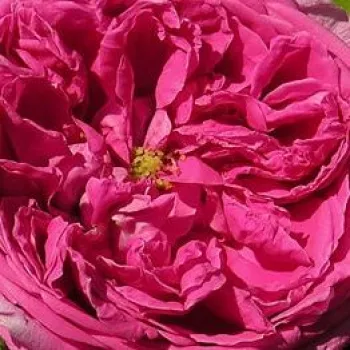
Large, very full rosette blooms with more than 40 petals, borne in clusters on the ends of canes; a once-flowering (non-remontant) variety that delivers one impressive main flush per season. |
| Colour data and phenology |
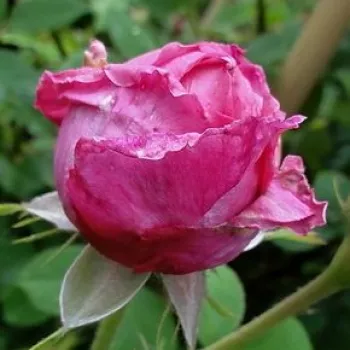
Rich vivid pink flowers with subtle purplish undertones; buds open scarlet-red, deepen towards crimson-raspberry, and can lighten with a purplish cast in strong sun; colour retention moderate over the flowering period. |
| Fragrance and aroma |
Strong, long-lasting scent with a classic old-rose character, noticeable at a distance in still air, giving maximum impact during the main flowering period and contributing significantly to evening garden atmosphere. |
| Hip characteristics |
Heavily double flowers limit hip production, though occasional small spherical hips 10–14 mm may develop; when present these are bright red and decorative late in the season on established plants. |
| Resistance and winter hardiness |
Very hardy rose (RHS H7, USDA 4b, Swedish zone 5) tolerating down to around -32 °C; disease resistance modest, with susceptibility to rust and some mildew and black spot, so regular protective care is advisable. |
| Horticultural recommendations |
Best on supports such as arches, pergolas, fences or walls, in well-drained soil with consistent moisture; allow 150–275 cm spacing, and use at least 40–50 litre containers if grown in large pots with strong training structures. |
Aurelia Liffa offers a tall, romantic climbing framework with richly scented historic blooms and impressive hardiness on its own roots, suiting gardeners who are ready to invest care in a long-lived, characterful feature.