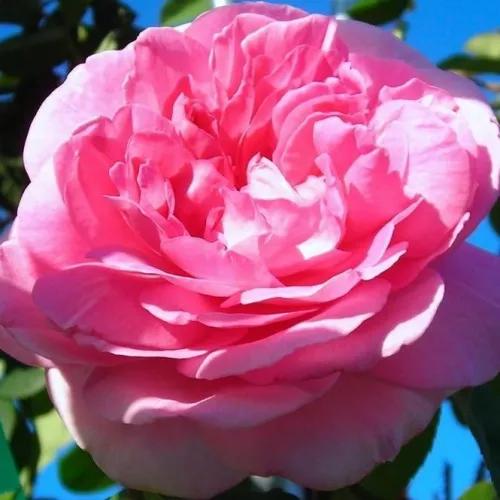
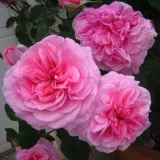
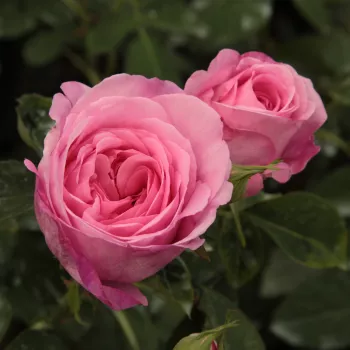
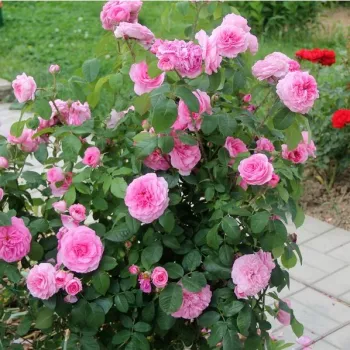
Gertrude Jekyll – AUSBORD – pink English shrub rose
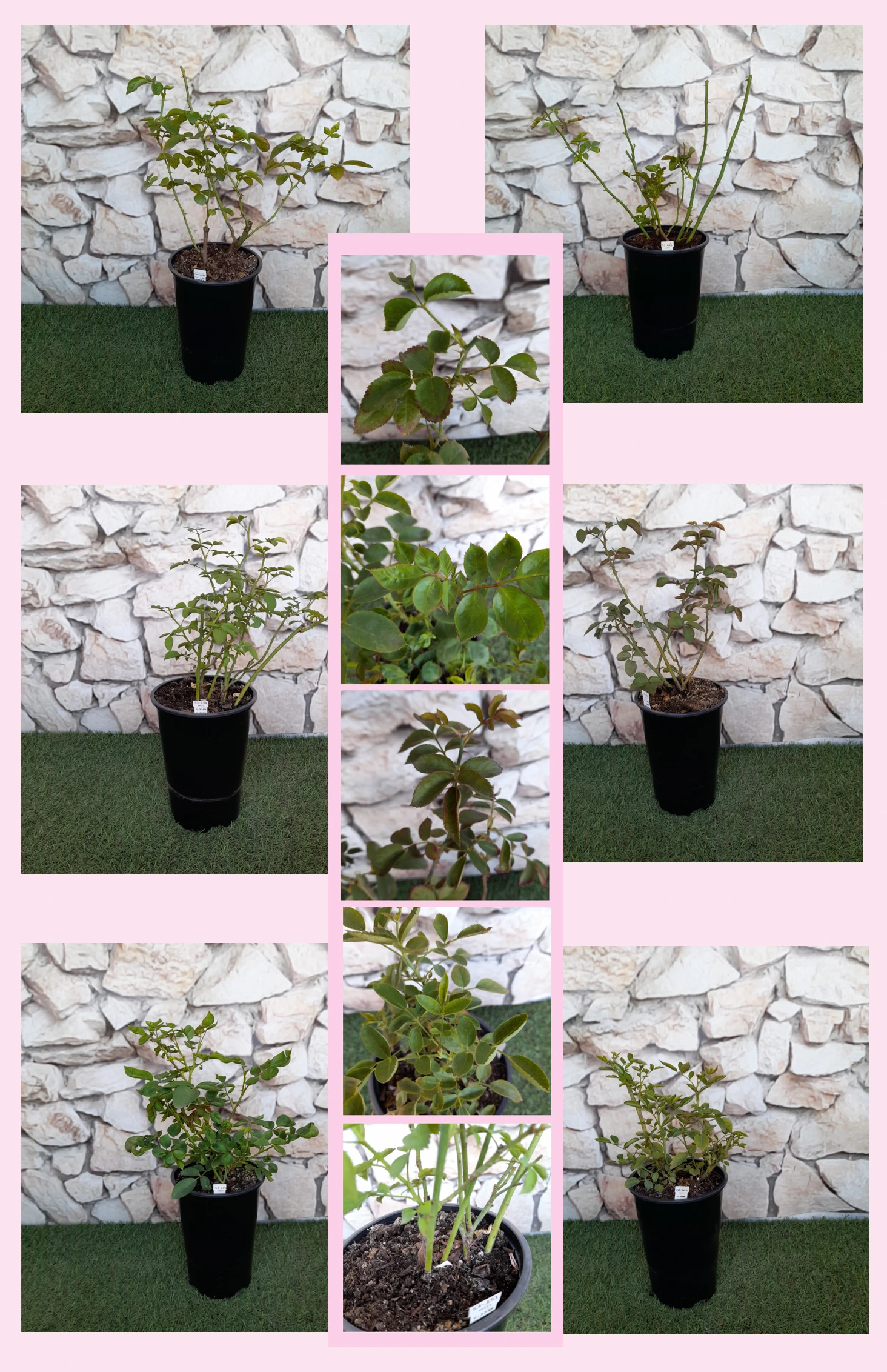
Step outside after rain and let Gertrude Jekyll surround you with fragrance, its intensely perfumed pink rosettes carrying a classic old-rose scent down even a narrow terrace. This compact English shrub settles reliably into the typical family front garden, coping well with blustery showers and heavier soils where good drainage helps it handle frequent rainfall and wind. As an own‑root rose it offers reassuring longevity, quietly rebuilding from its base if branches are damaged, for a stable, mature presence over many seasons. Early on, the plant concentrates on root development, then builds sturdy flowering structure, before reaching full ornamental impact in its third year. In a sustainable, rainwater‑friendly scheme, it anchors pink planting with a sense of romance without adding complicated gardening tasks to your week.
Usage options
| Target area | Reasoning |
|---|
| Small London front garden feature |
The upright, medium-height shrub fits neatly beside a front path or railings, bringing strong scent and classic form without overwhelming a compact plot; it settles into typical town garden conditions over time, rewarding a patient beginner. |
| Romantic hedge along a boundary |
Planted at hedge spacing, the dense foliage and medium height create a fragrant, flowering division between you and the street, giving privacy in summer and a soft, traditional look that suits terraced-house frontages for the busy homeowner. |
| Feature rose in mixed perennial bed |
The clear mid-pink blooms and dark foliage act as a strong focal point among perennials, while remontant flowering carries colour through the season, keeping the border interesting without continuous replanting for the relaxed hobby-gardener. |
| Large container near seating area |
In a 40–50 litre peat-free container, its rich scent is brought close to doorways or balconies, while own-root growth gives long-term stability, reducing the need for frequent replacement for the space-conscious urban gardener. |
| Rainwater-conscious front garden design |
Works well beside permeable paving and gravel swales, appreciating steady moisture yet tolerating typical British downpours and breezes when drainage is adequate, fitting a low-input, climate-aware scheme for the sustainability-minded city-dweller. |
| Season-long colour backbone |
Strong repeat flowering with large, very double blooms provides a dependable thread of pink from early summer into autumn, giving a sense of continuity in small gardens without complex succession planning for the time-poor professional. |
| Long-term structural planting |
As an own-root shrub it forms a durable framework that can regenerate from the base if pruned hard or weather-damaged, maintaining shape and presence over many years for the forward-thinking garden planner. |
| Classic English rose for collectors |
A celebrated David Austin introduction with a highly regarded scent and historic parentage offers both romance and proven performance, satisfying those who value characterful cultivars with recognised merit for the discerning rose enthusiast. |
Styling ideas
- FRONT-PATH DRIFT – Underplant with lavender and low nepeta along a narrow path to frame the doorway in scented pink and blue – ideal for busy terraced-house owners.
- RAIN-GARDEN EDGE – Combine with moisture-tolerant grasses and sage near a gravel soakaway to soften sustainable drainage features – suited to eco-conscious urban gardeners.
- ROMANTIC BORDER – Mix with soft pink echinacea and white liatris for a layered, cottage-style bed that flowers for months – good for informal family gardens.
- CONTAINER NOOK – Grow in a 50-litre pot with trailing thyme at the rim beside a bench to enjoy fragrance on summer evenings – perfect for balcony or courtyard users.
- SOFT-PRIVACY HEDGE – Plant in a light, staggered line with clipped Ilex balls to blend structured evergreen forms and relaxed roses – appealing to design-conscious homeowners.
Technical cultivar profile
| Property | Data |
|---|
| Name and registration |
Gertrude Jekyll (AUSBORD), English shrub rose from the English Rose Collection; commercial romantic rose type, ARS exhibition name Gertrude Jekyll, verified premium bronze quality. |
| Origin and breeding |
Bred by David C. H. Austin, UK, from ‘Wife of Bath’ × ‘Comte de Chambord’; introduced by David Austin Roses in 1986, registered 1986 (UK), later US plant patent PP7220. |
| Awards and recognition |
RHS Award of Garden Merit (1994); RNRS James Mason Award (2002); RHS People’s Vote “The Nation’s Favourite Rose” (2012); World Federation of Rose Societies “World’s Favourite Rose” (2025). |
| Growth and structural characteristics |
Upright shrub 100–150 cm high and 80–130 cm wide with dense, dark green, slightly glossy foliage and strong prickliness; weak self-cleaning, so spent blooms usually benefit from deadheading. |
| Flower morphology |
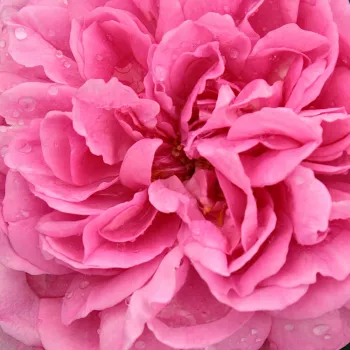
Very double, XL rosette blooms with over 40 petals, mostly borne solitary on stems; remontant with an abundant second flush that supports long-season display when lightly deadheaded. |
| Colour data and phenology |
Bright, clear mid-pink with warm tone; buds deep pink, opening to vivid rosettes that lighten slightly in sun and fade to softer pink with pale, delicately whitened petal edges toward the end. |
| Fragrance and aroma |
Extremely strong, far-scented old-rose fragrance with rich, classic character; ideal where scent is a priority near paths, seating or doorways, and appreciated even in cooler, breezier gardens. |
| Hip characteristics |
Very double flowers limit hip set; occasionally forms small, spherical orange-red hips about 8–14 mm in diameter, adding a discreet seasonal accent if some spent blooms are left uncut. |
| Resistance and winter hardiness |
Hardy to approximately −26 to −23 °C (RHS H7, Swedish Zone 4, USDA 5b); black spot generally resistant, with moderate susceptibility to powdery mildew and rust, needing monitoring in humid summers. |
| Horticultural recommendations |
Suited to beds, hedges, specimens and cutting; medium maintenance with occasional pest control; prefers sun but tolerates partial shade; plant 70–140 cm apart, 1.6–1.8 plants/m² for massing. |
Gertrude Jekyll (AUSBORD) brings powerful fragrance, repeat flowering and long-lived own-root reliability to compact front gardens and containers, making it a thoughtful choice if you would like enduring, scented structure.