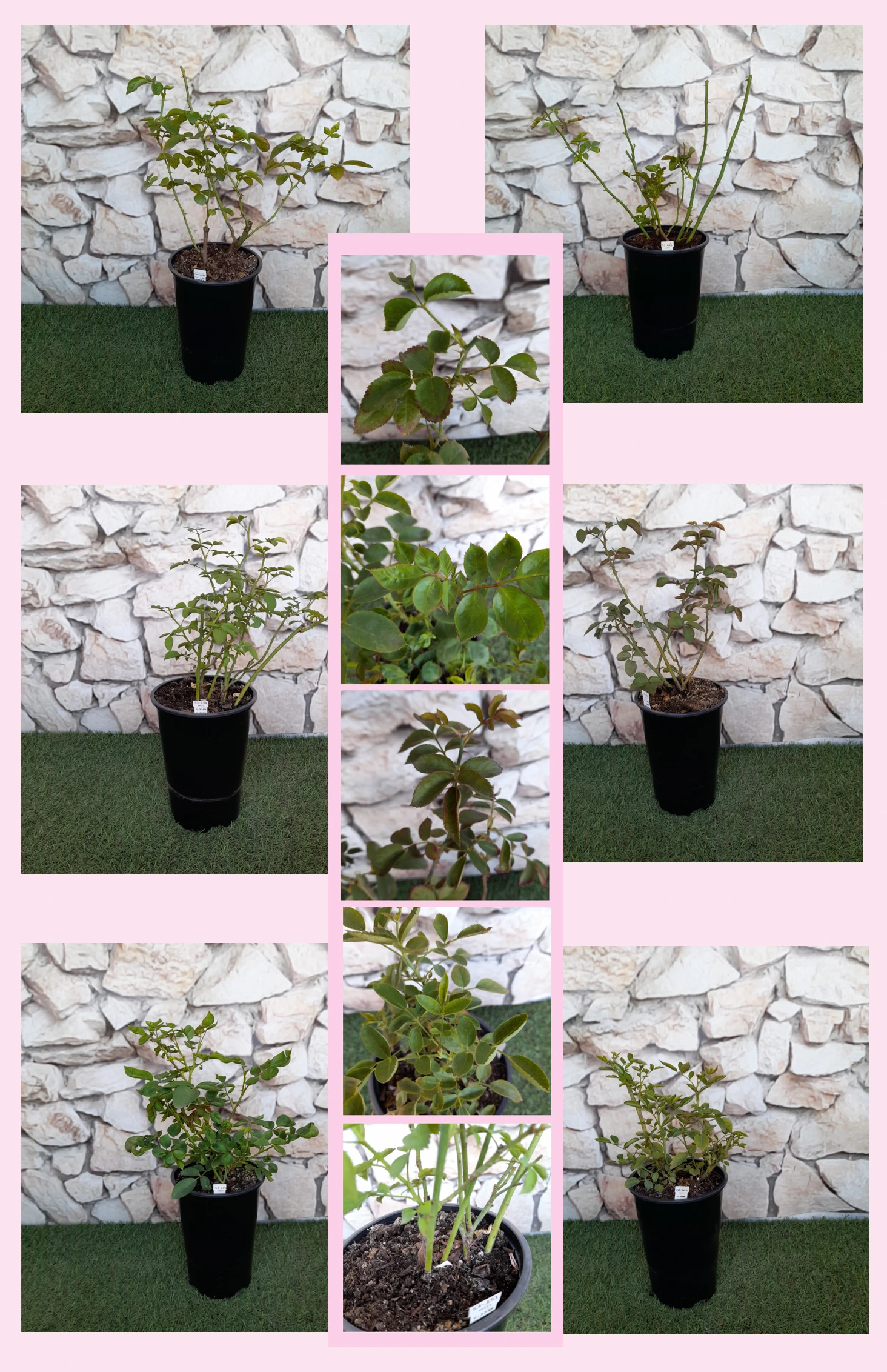
AUSREEF – pale pink English rose - Austin
Step out after rain and this romantic English shrub rose greets you with fragrance, soft pale-pink rosettes and a calm, balanced presence that suits compact London front gardens and relaxed family plots alike, even where soil is heavy yet drains reasonably in wet spells, supporting a more sustainable, rain‑friendly planting style. Its medium-sized, bushy habit fits narrow borders and small beds without overwhelming the space, while remontant flowering keeps your garden looking cared-for with minimal effort. Strongly scented blooms provide a traditional cut-rose indoors experience, and own-root resilience supports long-term longevity and reliable regrowth after pruning or weather setbacks. Container-ready versatility lets you grow it in a 40–50 litre pot for balconies or paved forecourts, and moderate resistance backed by sensible spacing and airflow helps it stay presentable through a typical British summer. With a little patient watering and feeding as it settles, you can enjoy roots establishing in year one, good top growth in year two and full ornamental impact by year three.
Usage options
| Target area |
Reasoning |
| Small family flower bed |
The bushy, upright shrub stays within 80–120 cm, giving structure without dominating a modest front or back garden bed. Its repeat flushes keep borders colourful through much of summer with only routine deadheading and basic feeding, ideal for time-pressed homeowners. |
| Rain-aware urban front garden |
This rose manages typical British wet spells well when planted in soil that is heavy yet drains reasonably in wet spells, so you can soften hard surfaces without complicated drainage projects. Planted slightly raised with mulch, it works neatly with permeable paths for sustainability-minded urbanites. |
| Large container on balcony or patio |
Its compact spread suits a single 40–50 litre pot, where the strong fragrance can be enjoyed close-up by doors or seating. Own-root plants re-sprout well from the base if stems are weather-damaged, helping containers stay attractive over many seasons for busy beginners. |
| Romantic edging along a path |
Medium height and full, rosette-shaped blooms create a soft, “girly” corridor of pale pink, perfect beside narrow London terrace paths. Regular repeat flowering means the approach to your front door keeps its charm between weekend tidy-ups for style-conscious visitors. |
| Feature plant with cottage-style perennials |
Planted as a specimen and underplanted with lavender, sage or nepeta, it forms a classic cottage-style focal point. Own-root vigour supports a long lifespan, so the combination matures into a stable, reliable scene appreciated by long-term planning gardeners. |
| Scented seating area or small terrace |
The strong, sweet, fruity and myrrh-like perfume carries well around a bench or small terrace. Even a single shrub can deliver a noticeable fragrance presence on still evenings, rewarding those who want maximum sensory return from a compact planting for thoughtful relaxation. |
| Cut-flower corner in a family garden |
Large, very full rosette blooms on a manageable shrub make beautiful, traditional-style cut flowers. Regular picking for the vase encourages further budding, so a small bed can supply both garden display and indoor stems for practical yet romantic households. |
| Long-term, low-change planting scheme |
As an own-root shrub, it does not depend on a graft union, so it recovers well from hard pruning and typical winter conditions, supporting a long planting lifespan with minimal redesign. This steadiness suits those planning enduring, low-disruption schemes for patient owners. |
Styling ideas
- Front-door charm – Position a single shrub in a narrow front bed with low-growing sage and dwarf asters to frame the doorway – ideal for terrace-house residents wanting instant softness.
- Balcony retreat – Grow it in a 40–50 litre container with trailing nepeta at the rim to enjoy fragrance and soft colour at seating height – perfect for balcony gardeners with limited space.
- Cottage ribbon – Repeat-plant along a path with lavender and gravel underfoot for drainage, creating a scented ribbon of pale pink – suited to those who love romantic, traditional looks.
- Rain-kissed mix – Combine with compact phormium and ornamental grasses in a free-draining bed that copes with downpours, balancing structure and softness – good for sustainable urban front gardens.
- Scented nook – Place one or two shrubs near a small bench, adding herbs like thyme and sage for texture, to create a calm, perfumed corner – appealing to busy people seeking easy evening relaxation.
Technical cultivar profile
| Aspect |
Data |
| Name and registration |
Sharifa Asma (AUSreef); English Rose Collection shrub; commercial romantic rose type. Also listed as Ausreef English Rose AUSreef; verified premium silver quality for garden use. |
| Origin and breeding |
Bred by David C. H. Austin, United Kingdom, from ‘Mary Rose’ × ‘Admired Miranda’. Introduced and registered in 1989 by David Austin Roses Ltd as part of the English Rose range. |
| Growth and structural characteristics |
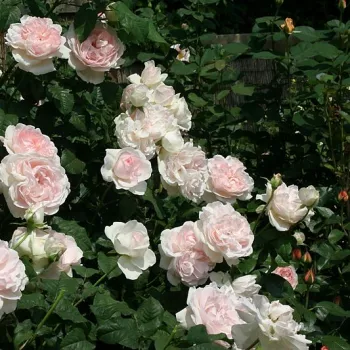
Bushy, upright shrub, about 80–120 cm high and 70–100 cm wide, with moderately dense, mid-green, slightly glossy foliage and dense prickling; self-cleaning is partial so some deadheading is recommended. |
| Flower morphology |
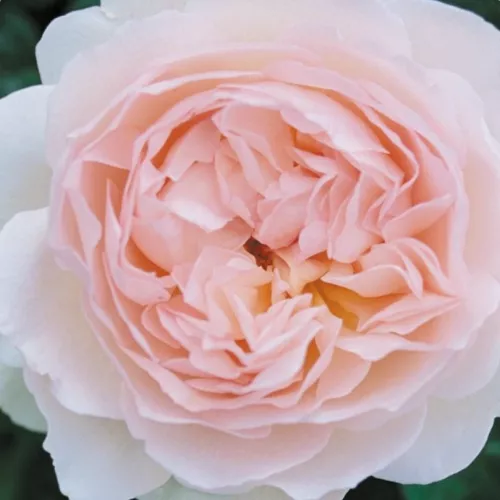
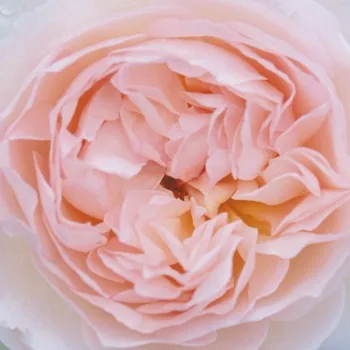
Large, very full rosette blooms with over 40 petals, mostly borne singly. Strong remontant habit with a generous second flush; flower size typically 2.75–3.95 inches, providing classic English rose character. |
| Colour data and phenology |
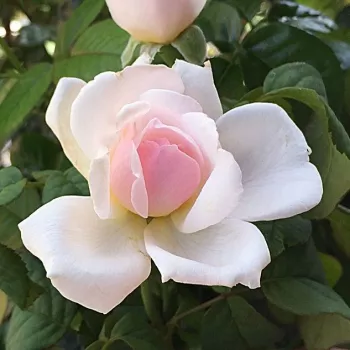
Pale pink flowers, ARS lp; RHS 155D outer, 65C inner. Buds pastel pink with cream tips, opening to powder-pink centres and ivory edges, then fading towards off-white, especially on the outer petals over time. |
| Fragrance and aroma |
Strong, clearly perceptible scent combining sweet, fruity notes with a distinct myrrh character. Designed primarily for ornamental and sensory effect rather than for pollinator attraction or culinary purposes. |
| Hip characteristics |
Hip set is generally light because of the very double blooms, but occasional small orange-red, ovoid hips 10–14 mm may appear, contributing modestly to late-season interest rather than heavy fruiting. |
| Resistance and winter hardiness |
Hardy to about −26 to −23 °C (RHS H7; USDA 5b, Swedish zone 4). Disease resistance is moderate overall, with good black spot resistance but some susceptibility to powdery mildew and rust in humid conditions. |
| Horticultural recommendations |
Best in sunny positions with well-drained soil; regular watering in prolonged drought. Allow 55–100 cm spacing, with 2.4–2.7 plants/m² for groups. Medium maintenance; occasional plant protection and deadheading useful. |
AUSreef offers compact structure, abundant repeat flowering and rich fragrance in a durable own-root form that rewards patient establishment with long-term, low-fuss beauty, making it a thoughtful choice for everyday gardens.