BAD HOMBURG – cream hybrid tea rose - Liebig
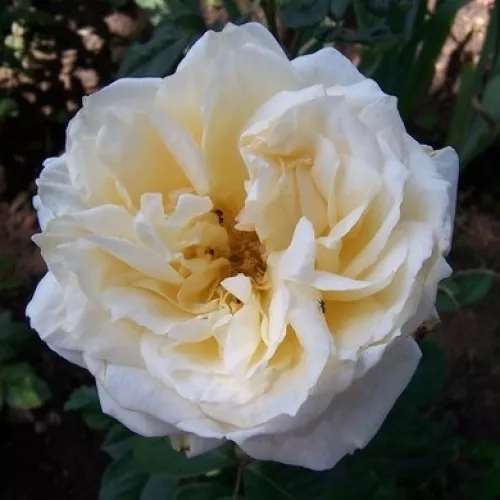
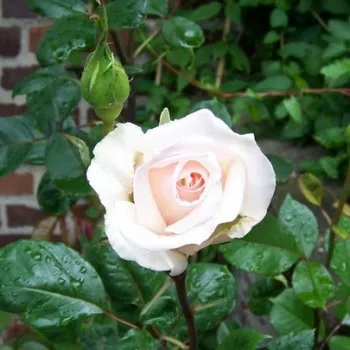
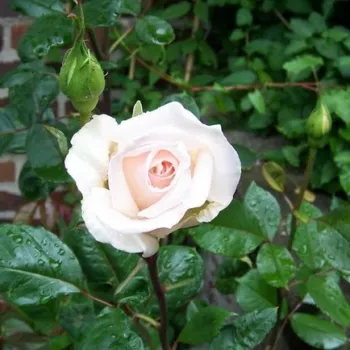
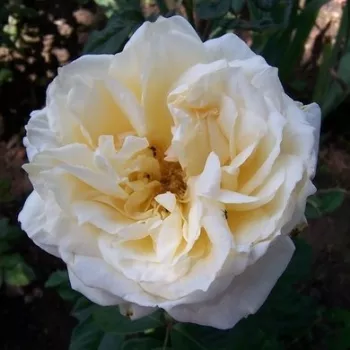
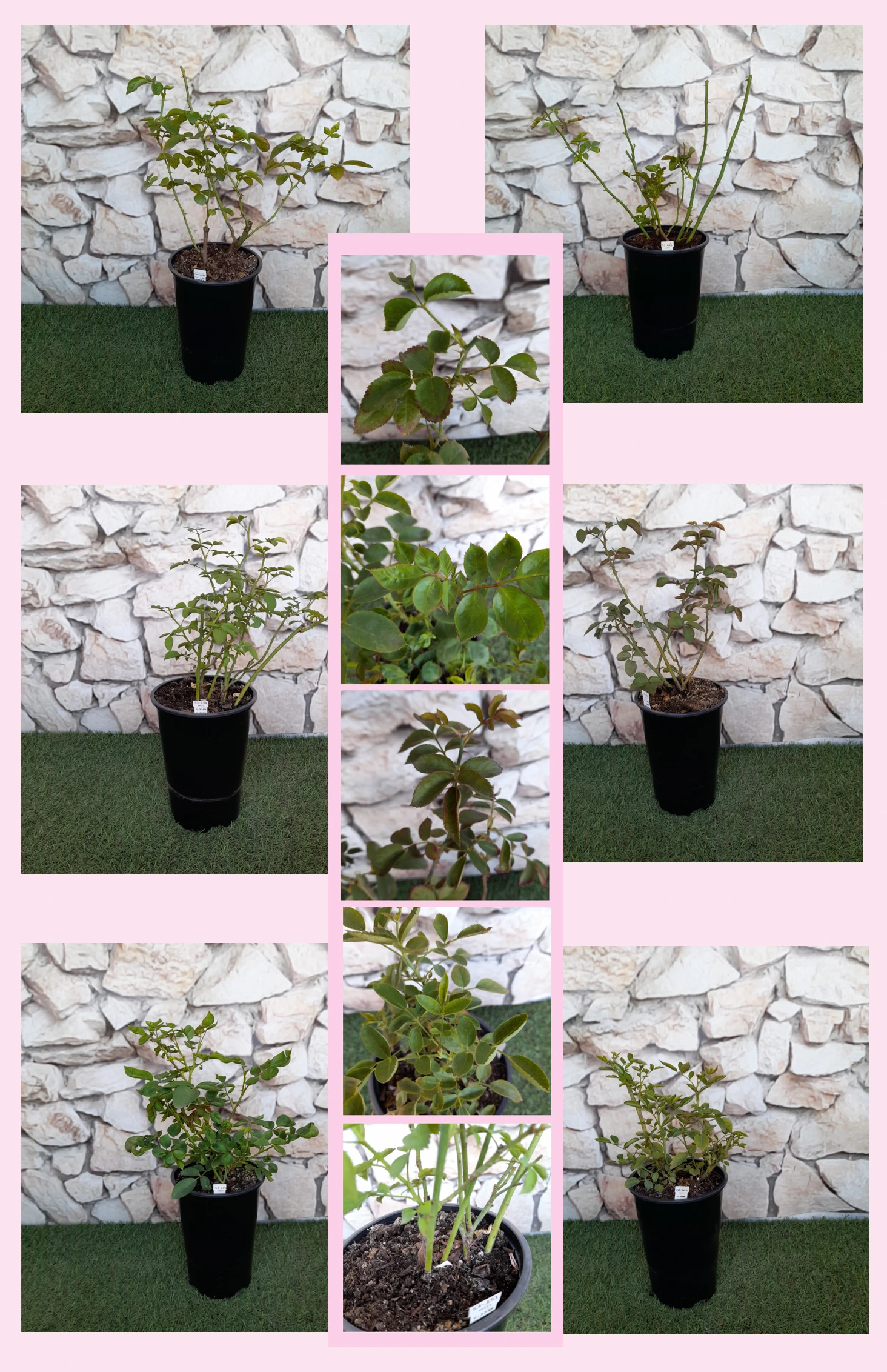
Step out to a London front garden after rain and meet the quietly confident Bad Homburg: an upright, bushy hybrid tea with large, creamy blooms designed for easy-care elegance in family spaces. Warm butter-yellow buds slowly open to ivory–porcelain white, creating a calm sense of balance along paths and in compact borders where drainage is improved on heavier soils and wet-weather spells are frequent. Its strong disease resistance keeps foliage fresh with very little intervention, while the own-root form offers durable regrowth and a long garden life with stable shape and flowering. Ideal for sustainable, rainwater-friendly planting, it moves steadily from root-building in the first year, to stronger shoots in the second, and full ornamental impact by the third for busy urban gardeners.
Usage options
| Target area |
Reasoning |
| Small London front-garden focal point |
The upright, bushy habit and large hybrid tea blooms create a clear vertical accent without overwhelming a narrow terrace frontage, giving a refined, calm look in a tight footprint for the style-conscious homeowner. |
| Low-maintenance family flower bed |
Good resistance to black spot, mildew and rust means less spraying, fewer lost leaves and reliable flowering even in damper UK summers, easing the workload for the time-poor beginner. |
| Own-root, long-lived specimen shrub |
As an own-root plant it regenerates well from the base, maintaining flower quality and shape over many years without graft worries, suiting those who want enduring structure with minimal fuss gardener. |
| Cut-flower row in a family veg or mixed plot |
Long-stemmed, very double blooms in calm cream tones are ideal for cutting, bringing a classic “florist” look indoors while still leaving enough buds on the plant for garden display for the creative arranger. |
| Rainwater-conscious front border with mixed perennials |
Works well where surface water is guided into planted strips rather than hard paving, as the bushy framework and dense foliage integrate neatly with other perennials for the environmentally aware city-dweller. |
| Compact hedge or repeating rhythm along a path |
Regular spacing at 50–60 cm forms a low, rhythmic line of creamy flowers and dark green foliage, softening straight paths and driveways in smaller plots for the practical yet design-minded owner. |
| Large container on a balcony or paved front area |
Performs well in a 40–50 litre or larger pot with good drainage, giving structure, long flowering and an easy-care feature where soil access is limited for the busy urban balcony-gardener. |
| Coastal or wind-exposed suburban garden |
The sturdy, moderately thorny stems and dense leaf canopy stand up well to breezier conditions near open aspects, providing reliable flowering for those gardening on more exposed plots coastline. |
Styling ideas
- Terrace-Calm – Line a short London front path with Bad Homburg and soft blue nepeta underplanting to create a serene, scented entry for style-led city homeowners.
- Balcony-Show – Plant one rose in a 50-litre container with trailing thyme to spill over the edges, perfect for busy balcony gardeners wanting impact from limited space.
- Family-Focus – Use a single specimen in the centre of a small square bed with lavender corners, giving children an easy, recognisable “special rose” to watch through the seasons.
- Rain-Garden – Combine with sage and ornamental grasses in a shallow swale beside the drive, using the rose as the calm creamy highlight within a rainwater-absorbing strip for eco-conscious households.
- Classic-Cut – Create a short, straight cutting row of Bad Homburg edged with low, silver-leaved herbs to supply elegant cream stems for indoor vases for home florists.
Technical cultivar profile
| Property |
Data |
| Name and registration |
Hybrid tea rose, registered as PLAcharm, marketed as Bad Homburg – cream hybrid tea rose – Liebig; ARS exhibition name Bad Homburg; collection and commercial group: Hybrid Tea. |
| Origin and breeding |
Hybrid Tea bred by Ewald Liebig in Germany from ‘Goldina’ × (‘Arthur Bell’ × ‘Prominent’); introduced and registered in 1997 by Pflanzen-Kontor for garden and cut-flower use. |
| Growth and structural characteristics |
Compact, upright, bushy shrub 80–110 cm tall, 50–70 cm wide, with dense, slightly glossy dark green foliage and moderate prickles; best at 50–100 cm spacing depending on hedge or specimen use. |
| Flower morphology |
Large, very double, cup-shaped blooms with 40+ petals, usually borne singly on stems; strong remontant habit, with a generous second flush following the main early-summer flowering period. |
| Colour data and phenology |
Warm creamy butter-yellow buds (RHS 24B–24C) open to soft cream, then ivory–porcelain white with a pale pastel yellow centre; colour holds well before gently lightening to an overall cool creamy white. |
| Fragrance and aroma |
Soft, elegant hybrid tea fragrance of mild strength, noticeable on close inspection rather than at distance; a refined, restrained scent that complements its calm colour palette in small gardens or patios. |
| Hip characteristics |
Occasionally forms small, spherical orange-red hips about 9–15 mm across, appearing sporadically after successful pollination; mainly ornamental and not a dominant feature of the cultivar. |
| Resistance and winter hardiness |
Rated resistant to black spot, powdery mildew and rust; hardy to approximately −21 to −18 °C (RHS H7, USDA 6b, Swedish zone 3), suitable for most UK regions with normal winter protection in pots. |
| Horticultural recommendations |
Best in well-drained, improved garden soil or large containers; regular deadheading improves self-cleaning weakness and repeat; low maintenance overall, suited to beds, hedging and quality cut flowers. |
Bad Homburg Hybrid tea rose PLAcharm offers reliable disease resistance, graceful cut flowers and long-term own-root resilience, making it a thoughtful choice for understated, sustainable family gardens.