BAIE DES ANGES® – creamy-white tea-hybrid rose – Barni
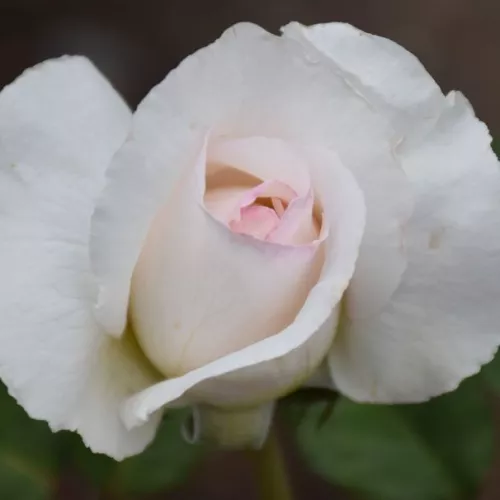
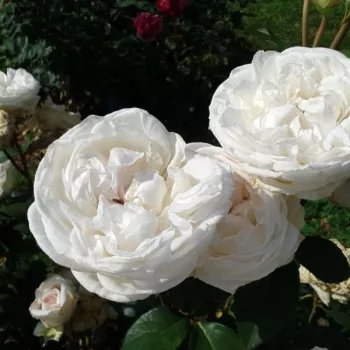
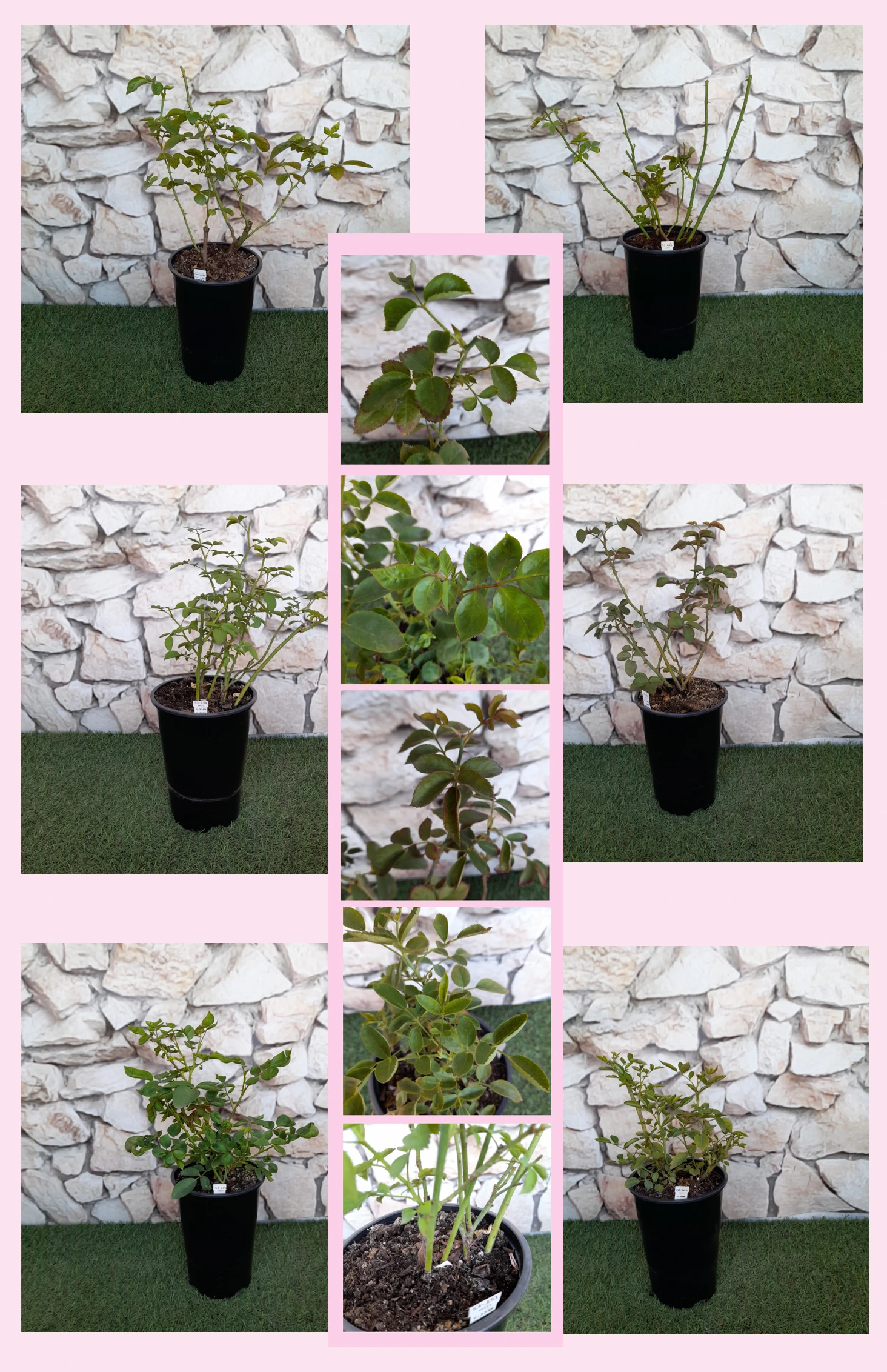
Imagine your London front garden after rain, the air filled with fragrance as creamy, globular blooms glow against foliage that stays dark and glossy through the season. BAIE DES ANGES® brings an elegant, exhibition-style look to a modest space, while its own-root form builds quiet resilience year by year for a long-lived planting. In a generous 40–50 litre pot or a narrow border, it offers repeat-flowering beauty from early summer, the pastel-pink veiling softening to pure ivory. Thoughtful watering and good soil structure help it cope with persistent rain and wind in exposed, suburban spots, and with each season roots, then shoots, then full display mature into a stable feature. Its strong old-rose aroma makes every pass along a path feel like a pause, while tidy, bushy proportion suits smaller urban plots that still want a sense of theatre and sustainable calm.
Usage options
| Target area |
Reasoning |
| Narrow London front-garden border |
The compact, bushy habit and repeat flowering allow you to line a short front path with exhibition-quality blooms without overwhelming the space, giving a refined “girly” welcome for beginners. |
| Large container (40–50 litres) by the front door |
In a generous pot with consistent watering, this variety presents its globular hybrid tea flowers at eye level, keeping the strong old-rose scent where you notice it most, suiting busy-urban-gardeners. |
| Specimen rose in a mixed cottage-style bed |
Used singly, the creamy-white flowers with pink veiling stand out among perennials, while own-root stamina supports a long-lived focal plant for evolving family gardens and homeowners. |
| Cutting patch or cutting row |
Large, very full blooms on upright stems lend themselves to cutting for vases, extending enjoyment indoors from a modest planting area that suits hobby-florists. |
| Part-shade side return or courtyard |
Its tolerance of partial shade lets you green up the often-overlooked side of a terraced house, bringing light, pale blooms into narrower spaces valued by space-conscious-gardeners. |
| Rainwater-managed rose bed |
Incorporated into a well-drained yet moisture-retentive bed fed by water butts, it benefits from regular moisture while roots stay healthy despite rainy, windy coastal-style conditions, appealing to sustainability-minded-owners. |
| Formal front-garden pair flanking a path |
A matched pair, kept deadheaded, gives a neat, symmetrical structure and long flowering, while own-root growth underpins many years of service for . |
| Small family seating area or balcony corner |
Placed close to seating in a large container, its strong, sweet damask fragrance and dense, glossy foliage create a sense of enclosure and calm much appreciated by evening-relaxers. |
Styling ideas
- Romantic-Entrance – Underplant BAIE DES ANGES® with low Nepeta x faassenii for a lavender-blue carpet that softens the path edge – ideal for front-garden stylists.
- Terrace-Theatre – Mix one rose in a 50-litre pot with airy ornamental grasses around the base to highlight the globular blooms – for design-conscious balcony owners.
- Cream-and-Pastel – Combine with pale pink Lychnis and soft green herbs to echo the rose’s pastel veiling – perfect for gentle, “girly” cottage schemes.
- Contrast-Glow – Plant against dark evergreen structure so the creamy flowers and glossy leaves read as luminous accents – suited to small, formal front gardens.
- Evening-Fragrance – Place near a bench with cool-toned companions like Ajuga reptans and low catmint to enjoy scent and subtle colour at dusk – great for after-work unwinding.
Technical cultivar profile
| Data type |
Data |
| Name and registration |
Hybrid tea rose from the Le Toscane collection; registered as BARmel and marketed as Baie des Anges®, also known in exhibition circles as Mariangela Melato. |
| Origin and breeding |
Bred in Italy by Beatrice Barni (Rose Barni, Pistoia), bred 2013 and introduced 2014, with initial distribution in France through Pépinières de la Saulaie. |
| Awards and recognition |
Journalists’ Choice Award at Monza (2013), Gold Medal at Baden-Baden (2014), and Silver Medal at the Australian National Rose Trials (2021) underline its exhibition value. |
| Growth and structural characteristics |
Bushy, compact shrub reaching about 70–95 cm in height and 50–70 cm spread, with dense, dark green glossy foliage and moderate prickliness on well-branched stems. |
| Flower morphology |
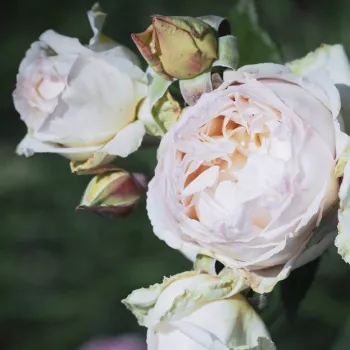
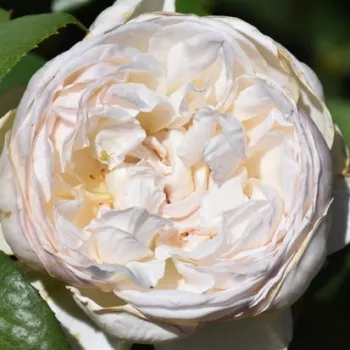
Large, globular to pompon hybrid tea blooms borne mainly singly, very full with over 40 petals, remontant with a generous second flush if regularly deadheaded. |
| Colour data and phenology |
Cream-white base with a pastel pink veil (RHS 155D outer, 65C inner) that gradually fades to pure creamy white as the flower opens and ages, maintaining very good colour stability. |
| Fragrance and aroma |
Strong, full-bodied perfume with a classic sweet old-rose, damask character, best appreciated near paths, doors or seating areas where air movement collects the scent. |
| Hip characteristics |
Occasionally forms small, spherical red hips about 10–14 mm across, offering a modest decorative effect in late season when flowers have finished. |
| Resistance and winter hardiness |
Hardy to approximately –23 to –21 °C (RHS H7, USDA 6a, Swedish zone 3) but very susceptible to powdery mildew, black spot and rust, demanding vigilant monitoring and care. |
| Horticultural recommendations |
Best in fertile, well-drained soil with regular watering, feeding and thorough deadheading; spacing 50–90 cm depending on use, suitable for borders, large containers and cutting. |
BAIE DES ANGES® offers compact elegance, award-winning blooms and rich fragrance on a durable own-root framework that rewards attentive care over many seasons, making it a thoughtful choice for refined smaller gardens.