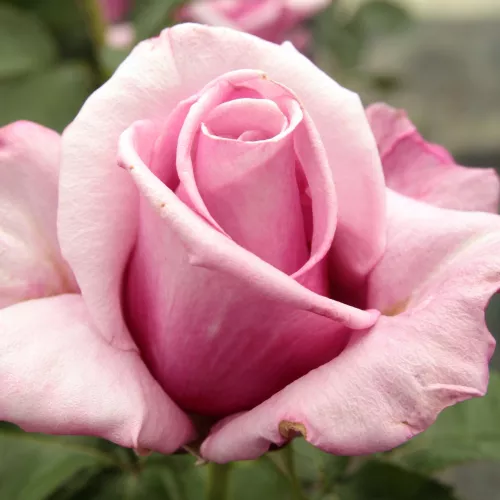
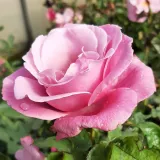
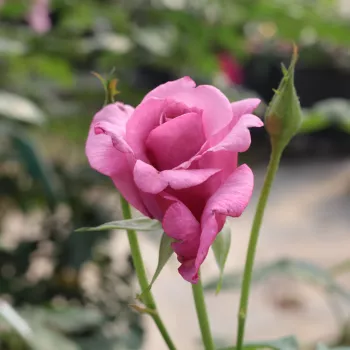
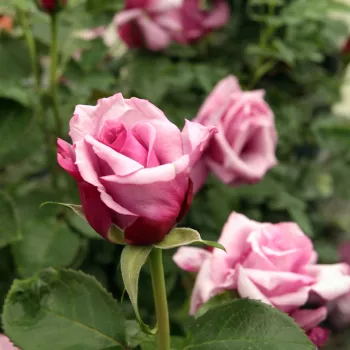
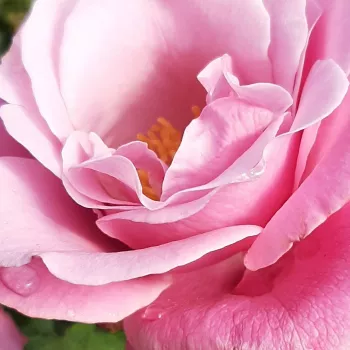
BARBRA STREISAND™ – lavender hybrid tea rose – Carruth
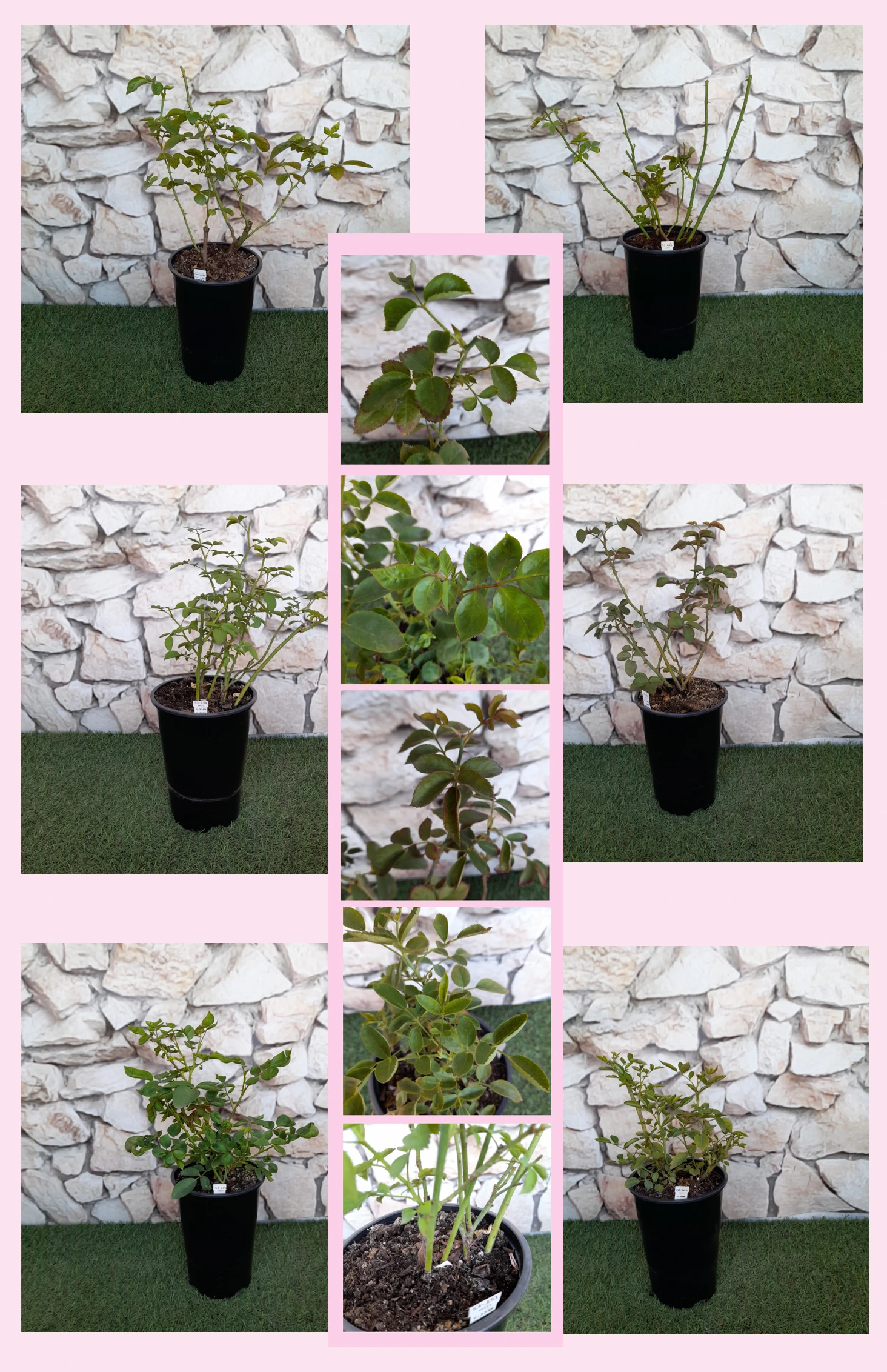
Step through the front gate and you are greeted by lavender blooms on upright, glossy stems, a refined hybrid tea that fills a small London terrace with fragrance even after a shower has passed, coping steadily with blustery, wetter seasons and heavier soils with decent drainage. As an own‑root plant, it offers reassuring longevity, quietly rebuilding if a stem is damaged and holding its ornamental character year after year with minimal fuss. Large, high‑centred flowers deliver classic elegance for cutting, while the compact, bushy habit fits narrow borders and rain‑friendly urban designs. Give it sun, a modest mulch and time – roots in the first year, confident new shoots in the second, and full garden presence by the third – for a reliably soothing centrepiece in your family garden.
Usage options
| Target area |
Reasoning |
| Feature rose beside a small front path |
The upright, tidy habit and mid‑sized footprint create a clear vertical accent that does not overwhelm narrow London terrace frontages, giving structure without demanding constant attention for those who like impact but have limited time, especially beginners. |
| Fragrant seating corner or doorstep pot |
Very strong sweet‑citrus scent carries on still evenings, so a single plant near a bench or doorstep turns a modest space into an intimate perfume spot, rewarding regular dead‑heading for people who value sensory pleasure in a compact garden, particularly urbanites. |
| Cut‑flower row in a family back garden |
High‑centred, exhibition‑style blooms on long, straight stems are ideal for vases, allowing repeated home picking through the season while the plant rebounds well, suiting households that enjoy bringing flowers indoors, especially homeowners. |
| Rain‑aware mixed border on heavier soil |
The bush copes reliably with typical British showers and breeze provided the planting hole has some drainage improvement, making it a steady choice where clay might pond briefly after rain for gardeners working typical suburban plots, notably families. |
| Long‑term specimen in a sunny gravel or slate front garden |
As an own‑root rose, it builds a durable framework and can regenerate from the base after hard pruning, making it a sound focal point in low‑lawn, stone‑mulched schemes for those planning a garden to mature slowly with them, especially planners. |
| Rainwater‑fed large container by the front door |
In a 40–50 litre peat‑free container, this variety responds well to consistent moisture from stored rainwater, balancing growth and flower size, and providing colour where planting space is scarce for people maximising small paved areas, particularly balcony‑owners. |
| Coordinated pastel scheme with perennials |
Lavender‑mauve blooms blend harmoniously with soft blues and silvers, linking easily to plants like catmint or dwarf pines, so a simple palette looks professionally designed without complex planning for those wanting coherence with little design experience, especially newcomers. |
| Low‑maintenance yet rewarding rose for busy schedules |
Medium care needs – mainly feeding, watering in dry spells and occasional pest checks – give a high reward in scent and form without intricate pruning, while it tolerates typical coastal wind and rain rhythms for gardeners short on time, especially busy‑owners. |
Styling ideas
- SILVER ACCENT – Underplant with Artemisia and slate chippings to echo the silvery lavender bloom tones for a restrained, contemporary front garden – ideal for style‑conscious city homeowners.
- CUTTING BORDER – Line a sunny fence run with this rose, interspersed with low lavender or nepeta, to create a fragrant supply of stems for the house – suited to families who enjoy arranging flowers.
- GIRLY ENTRANCE – Pair with soft pink salvias and white gaura in a narrow bed by the front step for a romantic, “girly” look – perfect for terrace‑house residents wanting gentle charm.
- EVENING NOOK – Place one specimen near a small bistro set, backed with evergreen dwarf pines, so the perfume and structure frame an intimate corner – appealing to busy professionals unwinding after work.
- RAIN‑SMART POT – Grow it in a 50‑litre peat‑free container fed by a slim rain barrel, with trailing thyme at the rim, for colour on paved yards – great for sustainability‑minded balcony and courtyard gardeners.
Technical cultivar profile
| Property |
Data |
| Name and registration |
Hybrid tea rose; registered as WEKquaneze, marketed as Barbra Streisand™. Exhibition hybrid tea type for garden and cutting, authenticated for eleanorROSE® ORIGINAL own‑root 2‑litre production. |
| Origin and breeding |
Bred by Tom Carruth (USA) from a complex cross involving ‘Blue Nile’, ‘Ivory Tower’, ‘Angel Face’ and ‘New Zealand’, introduced by Weeks Wholesale Rose Grower after 2002 for scented display. |
| Awards and recognition |
Honoured as Most Fragrant Variety at Rose Hills Trials 2004, plus multiple American Rose Society show titles including Best of Class and numerous Queen, King, Princess and Court of Show awards. |
| Growth and structural characteristics |
Upright hybrid tea reaching about 110–150 cm in height and 75–105 cm spread, with dense, glossy dark green foliage and moderate prickles; spent blooms may need manual removal to keep plants tidy. |
| Flower morphology |
Large, double, high‑centred blooms with 26–39 petals, borne mainly singly on stems. Remontant habit gives a strong first flush and plentiful later flowers suitable for cutting and garden display. |
| Colour data and phenology |
Mid‑lilac to lavender flowers with slightly deeper purplish‑lilac petal edges; colour may lighten towards silvery tones in strong sun, maintaining even lavender purple in full bloom before gently fading. |
| Fragrance and aroma |
Very strong, sweet‑citrus scent, noticeable at a distance in still air. Primarily ornamental rather than for culinary or cosmetic use, but ideal where garden perfume is a key design requirement. |
| Hip characteristics |
Rose hip set is usually low due to dead‑heading of double blooms; when present, produces small, ovoid red hips around 10–14 mm that add modest late‑season interest. |
| Resistance and winter hardiness |
Hardy to about −26 to −23 °C (RHS H7, roughly USDA 5b). Disease resistance medium overall: good black spot resistance, with moderate susceptibility to powdery mildew and rust in humid seasons. |
| Horticultural recommendations |
Best in full sun with improved drainage; plant 55–100 cm apart depending on use. Water in dry spells, feed annually, and prune as a hybrid tea; remove spent blooms to encourage further flowering. |
BARBRA STREISAND™ offers exhibition‑quality lavender blooms, powerful fragrance and a long‑lived own‑root structure that suits compact, rain‑aware family gardens, making it a thoughtful choice if you value enduring beauty with manageable care.