BARKAROLE® – dark red tea-hybrid rose - Evers
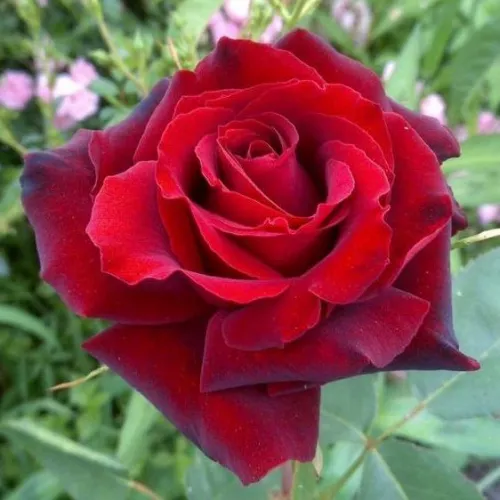
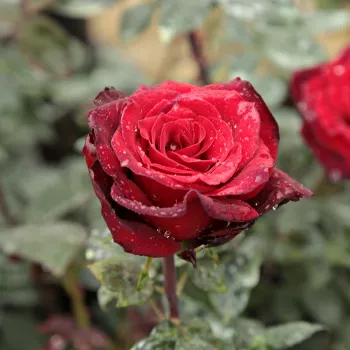
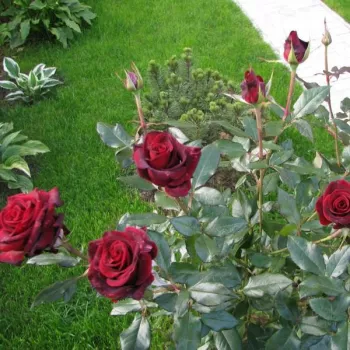
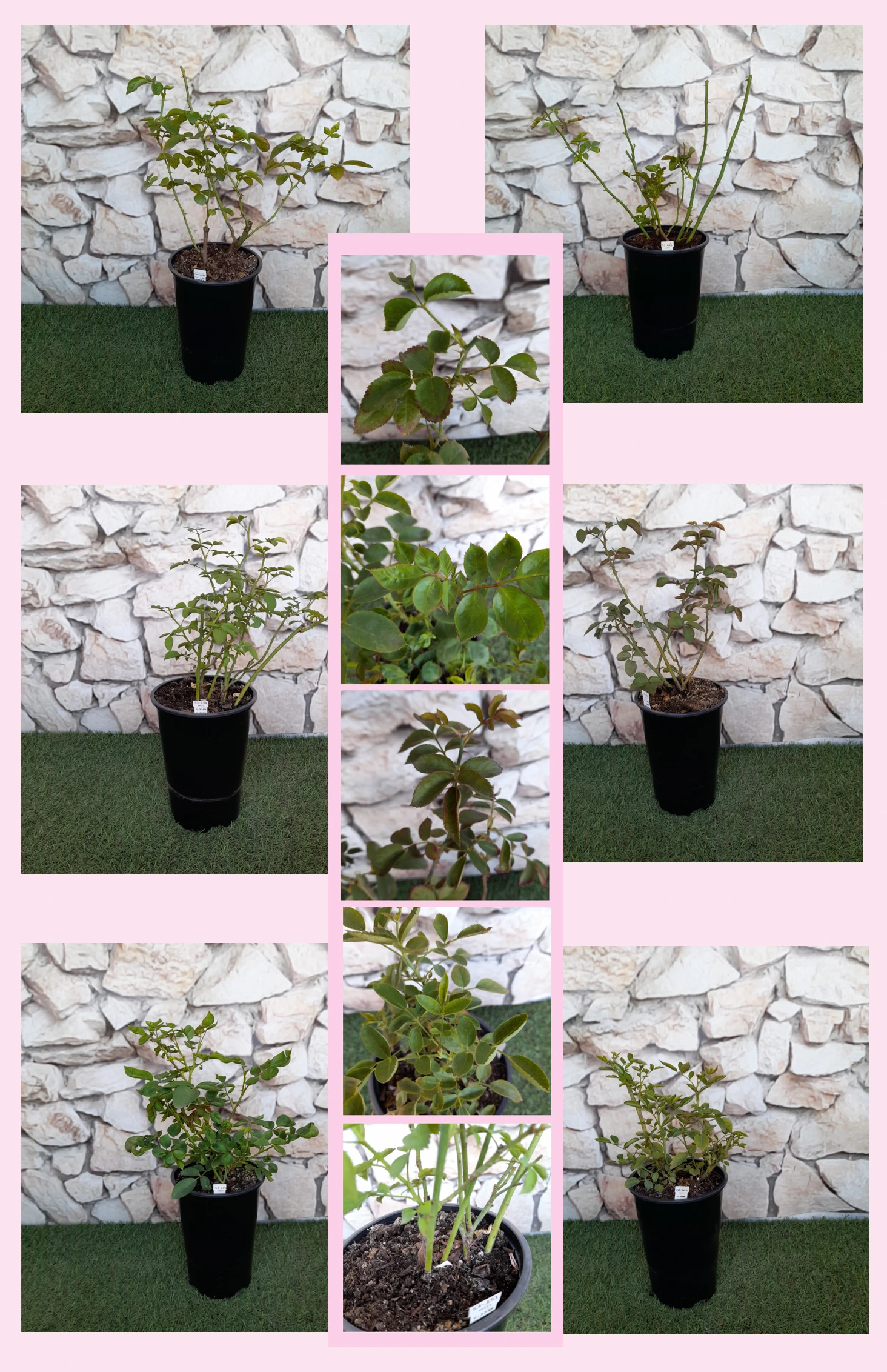
Step out after rain and meet the velvety depth of BARKAROLE®, a dark red hybrid tea bred for balance between classic beauty and modern reliability in a compact, upright shape that suits smaller urban plots and terraces. Its mild, romantic fragrance enriches everyday moments, while sturdy stems deliver exhibition-quality cut flowers from early summer well into autumn, offering a long, steady season of colour. Container-grown on its own roots, it is designed for a long, regenerating lifespan with stable ornamental value in typical UK conditions, even where heavy clay needs thoughtful drainage after wet spells. In a London terraced-house front garden or balcony, this rose fits neatly into sustainable, rainwater-aware schemes, rewarding light, regular care with lush, dark foliage and richly coloured blooms that keep their depth in sun. As roots establish in the first year and shoots strengthen in the second, you can expect full, impressive impact by the third, with the plant gradually settling into your everyday garden rhythm.
Usage options
| Target area | Reasoning |
|---|
| Front garden focal point |
The upright, compact habit and velvety dark red blooms create an immediate focal point beside a front door, path or bay window, offering classic structure without dominating a modest London terrace frontage, well suited to the needs of the busy homeowner gardener |
| Cut-flower corner |
Strong, long stems with large, very double flowers are ideal for cutting, giving you romantic, dark red vase displays for the house while the plant reliably remontants, so you can harvest stems and still enjoy new buds, ideal for those who value home-grown bouquets enthusiasts |
| Rainwater-aware rose bed |
Planted into improved heavy clay with good run-off, this rose responds well to collected rainwater and regular moisture without waterlogging, supporting gardens where thoughtful drainage protects roots and keeps flowering consistent through typical UK wet spells eco-conscious |
| Own-root longevity border |
As an own-root shrub, the plant keeps its cultivar traits even if cut back hard, regenerating cleanly from the base and offering a long working life in a mixed border, making it a reassuring choice for those planning a stable long-term layout planners |
| Small urban rose bed |
The moderate height and 50–70 cm spread suit narrow beds along terraces or shared front boundaries, giving vertical presence without overwhelming neighbouring plants, and maintaining a tidy outline that complements compact, low-maintenance urban planting schemes city-dwellers |
| Container on patio or balcony |
In a 40–50 litre or larger pot with quality peat-free compost, this rose forms a dense, dark green canopy and repeat flowers through summer, offering an elegant statement for paved patios and balconies where in-ground planting is limited balcony-owners |
| Structured mixed border |
The upright framework and dense, glossy foliage provide reliable structure, pairing beautifully with lighter perennials such as yarrow, foxglove or oriental poppy, bringing contrast and rhythm to family borders that need all-season backbone stylists |
| Weather-resilient display |
Firm petals and good colour retention help flowers hold their form in typical wind and rain, meaning the display remains presentable between dead-heading rounds, supporting gardeners who want tasteful impact without frequent, detailed grooming beginners |
Styling ideas
- Moonlight-Contrast – Underplant with pale Achillea and soft ornamental grasses so the dark red blooms glow at dusk – for householders who enjoy evening garden views.
- Terrace-Theatre – Position in a large container flanking French doors, with low Nepeta at the base, to frame indoor–outdoor living space – for urban couples entertaining at home.
- Heritage-Path – Line a short front path with spaced plants, interplanted with lavender, to create a romantic, gently scented approach – for families upgrading a classic terrace frontage.
- Rain-Garden-Edge – Place slightly above a gravelled soakaway or rain garden, backed by foxgloves, to blend stormwater management with drama – for city gardeners working with front drives.
- Solo-Sculpture – Use one specimen in a circular bed with low box or thyme edging so the velvety flowers read like a living sculpture – for design-minded owners who prefer minimalism.
Technical cultivar profile
| Parameter | Data |
|---|
| Name and registration |
Hybrid tea rose; registered as TANelorak and marketed as Barkarole® hybrid tea rose TANelorak; also known on the show bench as Taboo™, suited to exhibition and high-quality garden use. |
| Origin and breeding |
Bred by Hans Jürgen Evers for Rosen Tantau, Germany, from unnamed seedling parents; bred in 1987 and introduced in 1988, combining classic hybrid tea blooms with strong, upright garden performance. |
| Awards and recognition |
Recommended as an “Edelrose” in ADR German trials and entered in the Monza rose competition in 1988, indicating strong ornamental merit and reliable hybrid tea performance in assessed conditions. |
| Growth and structural characteristics |
Upright habit, around 100–140 cm tall with a 50–70 cm spread; dense, glossy dark green foliage on moderately thorny stems; self-cleaning is weak, so spent blooms benefit from occasional dead-heading. |
| Flower morphology |
Large, solitary, very double flowers with over 40 petals form classic cup to goblet shapes; repeat flowering with a generous second flush, giving extended garden and cutting value across the season. |
| Colour data and phenology |
Deep velvety dark red with a slightly blackish undertone; ARS dark red, RHS 187A inner and outer; buds almost blackish, colour holds well with only moderate fading, retaining richness in strong sunlight. |
| Fragrance and aroma |
Mild, discreet rose fragrance with a delicate character; enough to enhance close-up garden seating or cut arrangements without overpowering, supporting subtle, refined sensory impressions in small spaces. |
| Hip characteristics |
Hip production is limited because of the very double flowers; occasional ovoid, orange-red hips about 10–14 mm in diameter may form, adding small seasonal interest rather than being a primary feature. |
| Resistance and winter hardiness |
Rated to approximately –21 to –18 °C, RHS H7, USDA zone 6b, Swedish zone 3; black spot resistance good, powdery mildew and rust moderate; copes with UK warmth but needs watering in prolonged drought. |
| Horticultural recommendations |
Best in full sun; plant 40–90 cm apart depending on use, at 4–4.6 plants/m² for massing; medium maintenance with routine feeding, watering and dead-heading to keep blooms clean and the display refined. |
Barkarole® hybrid tea rose TANelorak offers long seasonal flowering, elegant cut stems and compact, structural growth on a durable own-root plant; a thoughtful choice if you favour lasting beauty with manageable care.