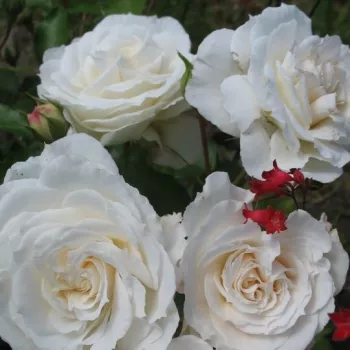
BARNIFUM® – white bedding floribunda rose – Barni
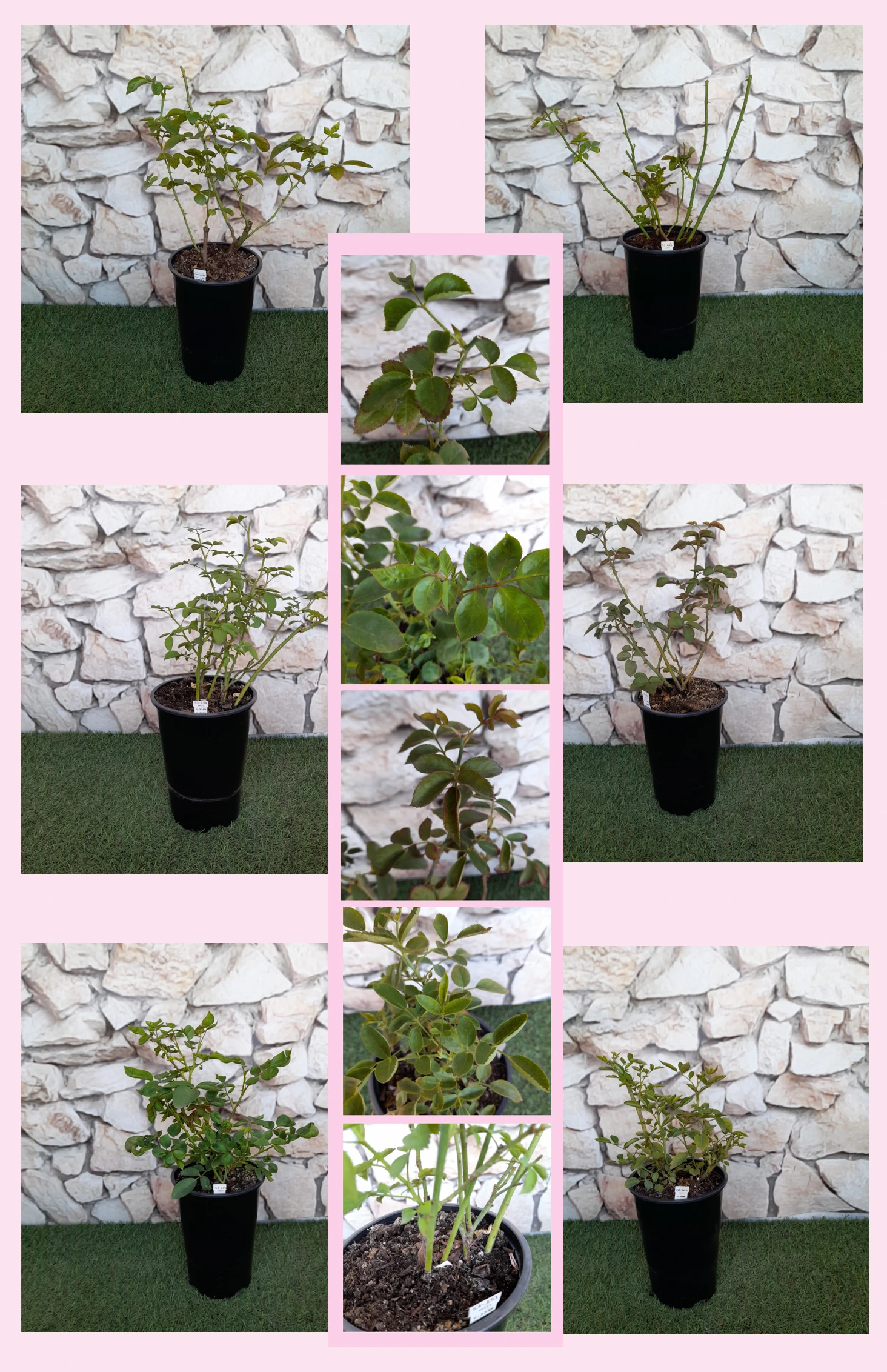
Step off the pavement into a front garden of post-rain fragrance and calm, where BARNIFUM® settles easily into small London plots and copes reliably with wind and wet spells typical of British streets. Its upright, bushy habit forms a neat, low shrub that fits narrow beds, paths and rail-side borders, while the dark glossy foliage sets off the ivory rosettes all summer. Own-root planting means long-lived stability, bouncing back strongly after pruning or harsh winters and keeping your display even year after year. Medium care needs suit busy homeowners; with simple deadheading, you enjoy generous repeat flowering and a soft, sweet aroma that complements rainwater-wise planting schemes. In its first year it concentrates on roots, in the second on sturdy shoots, and by the third it reaches full ornamental value in your garden.
Usage options
| Target area |
Reasoning |
| Small front garden bed |
The compact 60–80 cm height and upright, bushy structure create a neat, low hedge-like line along paths or railings without overwhelming a narrow terrace frontage, suiting busy urban homeowners who prefer easy-care. |
| Rainwater-friendly city planting |
Works well in permeable, mulched beds that receive roof run-off, handling blustery, rain-soaked periods near coastal or exposed streets while maintaining flower quality, ideal for gardeners planning more sustainable. |
| Long-term family border |
The own-root form builds a durable framework over time, recovering well from harder pruning and remaining even and reliable across decades, perfect for families wanting a stable feature with longevity. |
| Season-long colour ribbon |
Remontant flowering gives generous first blooms and then a plentiful second flush, so the white–ivory rosettes continue to refresh the border for much of the season, appreciated by householders who enjoy regular display. |
| Low-maintenance shrub rose bed |
Moderate disease resistance with strong black spot tolerance keeps foliage attractive, and routine deadheading plus occasional plant protection is usually enough, reassuring for beginners seeking manageable care. |
| Path-edge scent walk |
Medium-strength, softly sweet fragrance releases as you brush past, especially after rain, adding an intimate sensory layer in short front paths or side returns for those who value gentle garden aroma. |
| Container on paved frontage |
Performs well in a large 40–50 litre pot with good drainage, where its upright habit and dense foliage form a tidy, long-flowering accent by the door, suitable for flat or townhouse residents seeking container impact. |
| Soft-toned white scheme with wildlife interest |
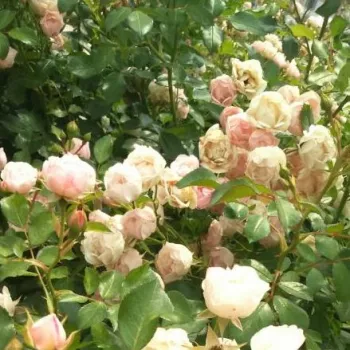
The warm white, lightly peachy blooms pair beautifully with nectar plants such as lavender or nepeta, so the rose sets the calm structure while companions boost pollinator appeal, ideal for city gardeners encouraging biodiversity. |
Styling ideas
- Terrace-front – Line a short London terrace path with a single row of BARNIFUM® for a calm, white edging against dark railings – for homeowners wanting tidy structure with minimal fuss.
- Rain-garden – Combine BARNIFUM® with grasses and moisture-tolerant perennials in a shallow swale catching roof run-off – for eco-conscious gardeners managing rainwater beautifully.
- Evening-border – Plant in groups of three among lavender and nepeta so the pale blooms glow at dusk – for those who savour after-work moments outdoors.
- Doorstep-pot – Use one plant in a 40–50 litre container with trailing thyme to soften the rim – for balcony and paved-front residents lacking planting beds.
- Soft-white – Mix with white salvias and pale pink perennials for a gentle, romantic palette – for gardeners aiming at a refined yet relaxed family garden.
Technical cultivar profile
| Characteristic |
Data |
| Name and registration |
Floribunda bedding rose, registered as BARnifum, marketed as BARNIFUM® – white bedding floribunda rose – Barni; ARS exhibition name Niso Fumagalli, shrub rose exhibition category. |
| Origin and breeding |
Bred by Anna Medici Barni, Rose Barni (Pistoia, Italy); bred 2005, registered 2005, introduced 2007; parentage undocumented; commemorates Niso Fumagalli of the Monza rose garden. |
| Growth and structural characteristics |
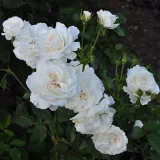
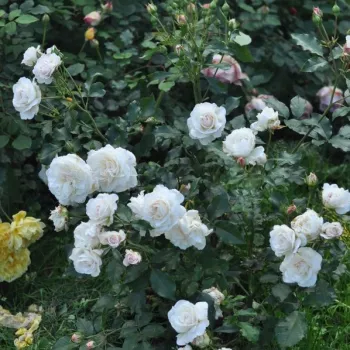
Upright, bushy floribunda shrub, 60–80 cm high and wide, dense dark green glossy foliage, moderately thorny stems; best effect in groups or low hedging in beds and borders. |
| Flower morphology |
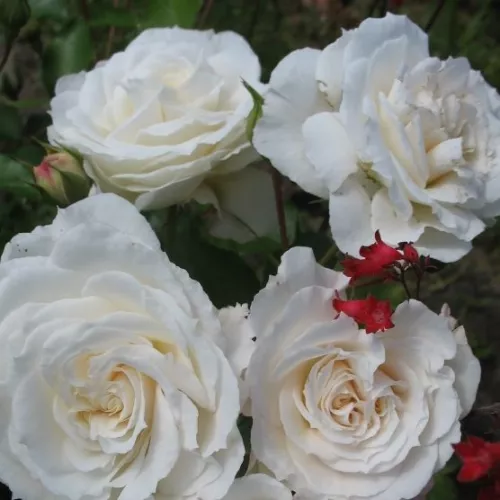
Large, double, clustered rosette blooms, 26–39 petals, 7–10 cm diameter; remontant habit with a strong initial flush and plentiful repeat; spent flowers require manual deadheading. |
| Colour data and phenology |
White–ivory flowers with creamy to slightly peachy heart, ARS code WH, RHS 155D outer, 36D inner; colour holds well in sun, with only slight lightening of the warm centre over time. |
| Fragrance and aroma |
Medium-strength, softly sweet scent noticeable in still air and after rain; suitable for scented paths and seating areas where fragrance can be appreciated at close quarters. |
| Hip characteristics |
Forms small, spherical orange-red hips occasionally; 8–12 mm in diameter; of mainly ornamental interest if flowers are not deadheaded after the main flowering period. |
| Resistance and winter hardiness |
Hardy to approximately −21 to −18 °C (USDA 6b, RHS H7, Swedish zone 3); moderate overall disease resistance with good black spot resistance, moderate mildew and rust tolerance. |
| Horticultural recommendations |
Best in sunny sites with well-drained soil; plant 40–75 cm apart depending on use; medium maintenance, with deadheading and occasional plant protection improving flowering continuity. |
BARNIFUM® offers compact, long-season white flowering, reliable own-root longevity and moderate care needs, making it a thoughtful choice if you would like a graceful, enduring front-garden rose.