BAROLBCEL – red-yellow hybrid tea rose - Barth
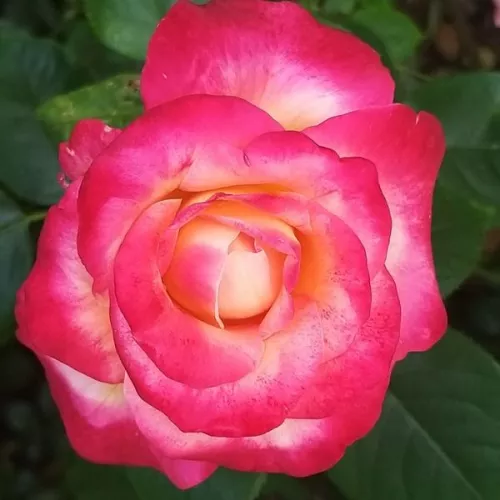
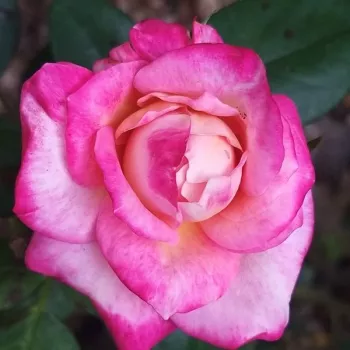
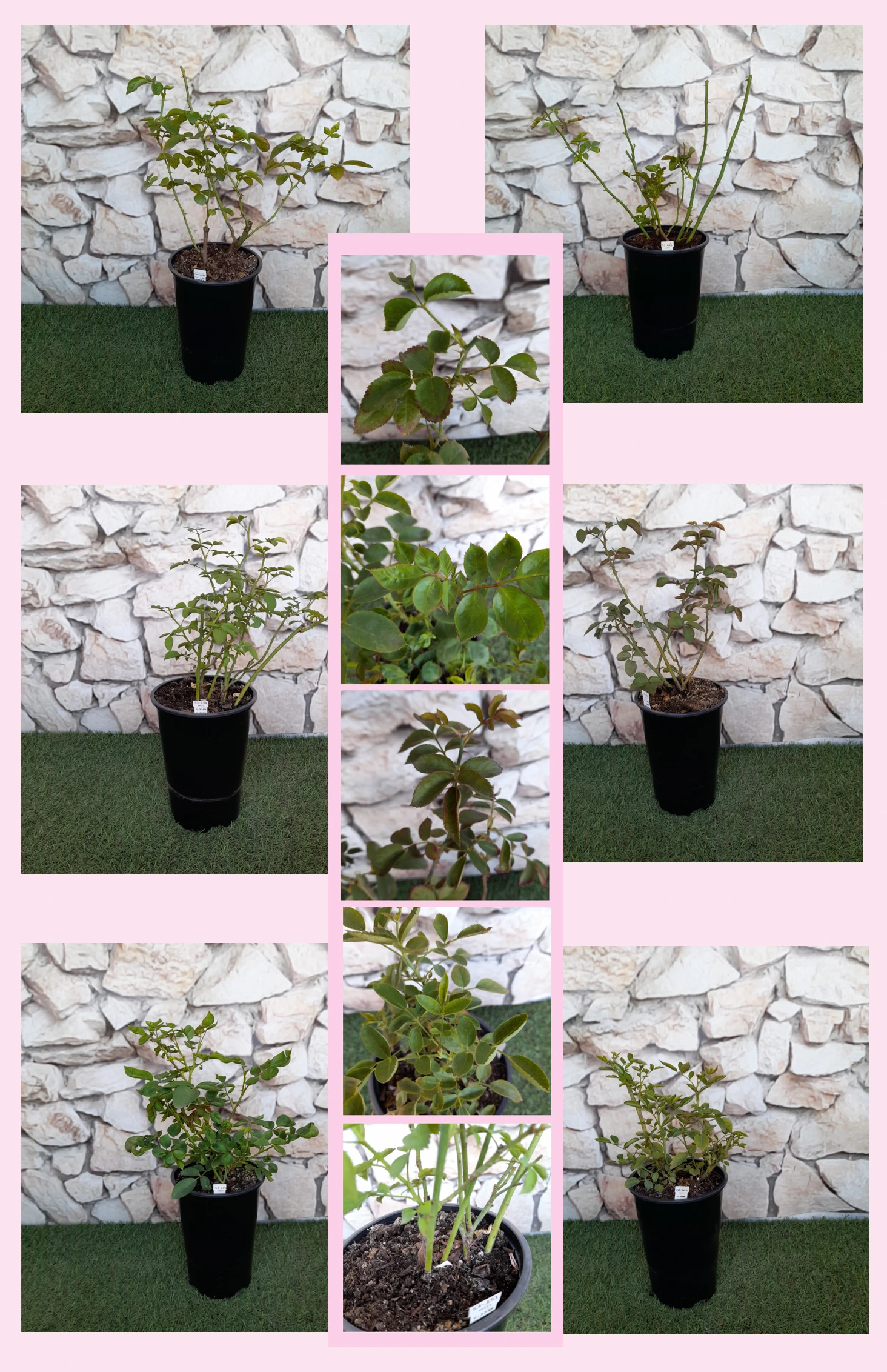
Imagine a London front garden after rain, where a narrow path is lined with high-centred blooms in balanced red-and-cream tones and glossy foliage that copes well with blustery showers and heavy clay soil. This BAROLBCEL hybrid tea rose brings a refined cut-rose look into everyday family gardens, yet in a manageable, own-root 2-litre form that settles in steadily rather than demanding instant perfection. In its first seasons it builds roots, then stronger flowering shoots, before reaching full ornamental presence around the third year, so you can plan a calm, low-fuss transformation of a small urban space. Its gently pointed buds open on a compact, bushy framework, ideal for edging paths or spotlighting a doorway, while the colour play from raspberry-red bud to velvety cherry and cream softens hard paving. The subtly scented flowers suit close-up viewing beside seating, and the straight, elegant stems offer reliable cutting material from a modest footprint, letting you enjoy both garden display and vasefuls indoors with quietly sustainable elegance.
Usage options
| Target area | Reasoning |
|---|
| Terraced-house front garden feature |
The compact, bushy habit and refined hybrid tea blooms create a clear focal point in a narrow London frontage without overwhelming the space, giving an elegant welcome that stays in scale with small plots and busy homeowners who prefer simple, periodic care for beginners. |
| Edging a narrow garden path |
High-centred, pointed buds on upright stems line paths with a classic, orderly edge, while the glossy mid-green foliage and moderate height help define walking routes and echo the feel of strolling a narrow path in post-rain fragrance for urbanites. |
| Cutting bed for home bouquets |
The long, straight stems and large, double, exhibition-type flowers are ideal for cutting, so a short row provides regular, high-quality stems for vases, allowing you to enjoy the two-tone red and yellow colouring both outdoors and indoors as a rewarding project for homeowners. |
| Own-root, long-term garden investment |
Supplied on its own roots, this rose can regenerate from the base after hard pruning or weather damage, supporting a long-lived planting that keeps its ornamental value without concerns about rootstock shoots, an advantage that particularly reassures time-pressed families. |
| Rain-aware urban planting on heavier soils |
The rose responds well where rain is frequent and drainage has been thoughtfully improved in heavier or even clay-based ground, fitting into rain-aware front gardens that manage downpours while still offering refined seasonal colour for sustainability-minded gardeners. |
| Clay-tolerant mixed border backbone |
Once the soil is loosened and enriched with compost or other organic matter, the bushy framework and steady height help structure mixed borders on typical British clay, pairing well with perennials while remaining manageable for less-experienced planters. |
| Large container on balcony or paved frontage |
In a 40–50 litre or larger pot with drainage, this hybrid tea can provide a vertical accent beside steps or balconies, its pointed buds and subtle fragrance softening hard landscaping while the contained root system suits neat, small-scale spaces for balcony-owners. |
| Refined, colour-focused “girly” scheme |
The velvety cherry-red and soft creamy-yellow petals lend themselves to romantic, feminine palettes; combined with pastel perennials and light foliage, they create a gentle yet sophisticated display that appeals to those seeking a stylishly soft garden mood for stylists. |
Styling ideas
- Front-row – Plant as a pair flanking a front gate, underplanted with low Euonymus fortunei ‘Minimus’ to frame the red-and-cream blooms – ideal for image-conscious terraced-house owners.
- Romantic – Mix BAROLBCEL with soft pink Physostegia virginiana ‘Rosea’ and airy nepeta for a pastel, “girly” border that feels light yet composed – for those curating Instagram-ready garden corners.
- Cutting – Dedicate a short, sunny bed to rows of this hybrid tea, backed by lavender or sage, for easy home bouquets with coordinated scent – suited to hobby florists and weekend arrangers.
- Courtyard – In a 50-litre container with free-draining peat-free compost, combine with trailing thyme and dwarf honeysuckle for layered texture on patios – perfect for compact, paved city spaces.
- Structured – Use a loose hedge line at 40–50 cm spacing, interspersed with low grasses, to create a modern, rhythmical edge that still feels soft – appealing to design-led but time-poor gardeners.
Technical cultivar profile
| Parameter | Data |
|---|
| Name and registration |
Hybrid tea rose; registered as BARolbcel, commercial name “BAROLBCEL – red-yellow hybrid tea rose - Barth”; group: Hybrid Tea; exhibition category: cut flower, exhibition tea hybrid. |
| Origin and breeding |
Bred by René Barth, Roseraies Barth, France; parentage unknown. Bred and registered in 2014, introduced by Roseraies Barth the same year as a premium hybrid tea for garden and cutting use. |
| Growth and structural characteristics |
Bushy plant 70–100 cm tall, 40–60 cm spread, moderately thorny. Mid-green, glossy foliage of moderate density. Self-cleaning is poor, so most spent blooms require deadheading by hand for neatness. |
| Flower morphology |
Large, double flowers with 26–39 petals, high-centred with pointed buds in classic cut-rose style. Usually borne singly on stems, with good repeat flowering and a notably abundant second flush in season. |
| Colour data and phenology |
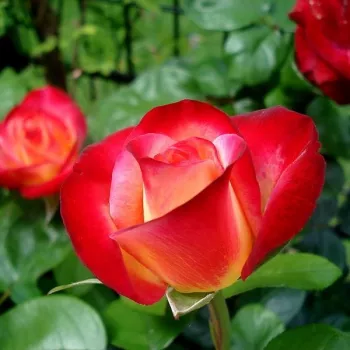
Two-tone velvety cherry-red and creamy yellow. Buds raspberry red with creamy base; contrast strong on opening, then red softens to rosy pink and yellow to cream-white, fading faster in strong sun than in cool weather. |
| Fragrance and aroma |
Delicate, mild fragrance suited to close-up planting near paths or seating. Scent is present but not overpowering, complementing the flower form and colour rather than dominating nearby planting combinations. |
| Hip characteristics |
Occasional small hips, spherical, around 8–12 mm, red (RHS 40A). Decorative interest is modest and secondary to the display of high-centred blooms, particularly when plants are regularly deadheaded for repeat flowering. |
| Resistance and winter hardiness |
Hardy to about −21 to −18 °C (RHS H7, USDA 6b, Swedish Zon 3). Very susceptible to black spot, powdery mildew and rust, so regular monitoring, good airflow and plant protection are needed for best performance. |
| Horticultural recommendations |
Best in full sun with fertile, well-drained but moisture-retentive soil. Space 40–85 cm depending on use; 4–4.6 plants/m² for massing. Needs consistent care, including feeding, pruning and disease management. |
BAROLBCEL offers refined two-tone hybrid tea blooms, compact structure and resilient own-root growth that matures steadily over years; consider it if you value long-term elegance from a thoughtfully tended rose.