BARON GIROD DE L'AIN – red historical perpetual hybrid rose - Reverchon
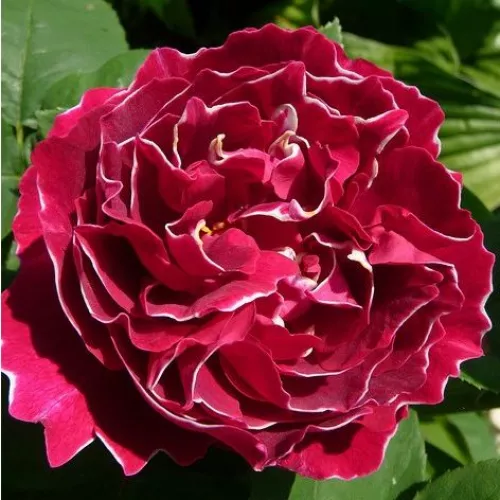
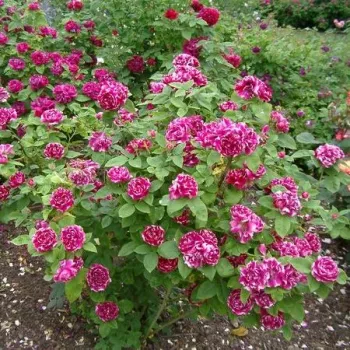
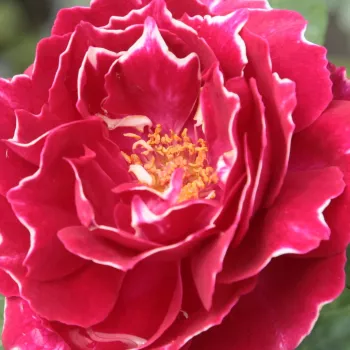
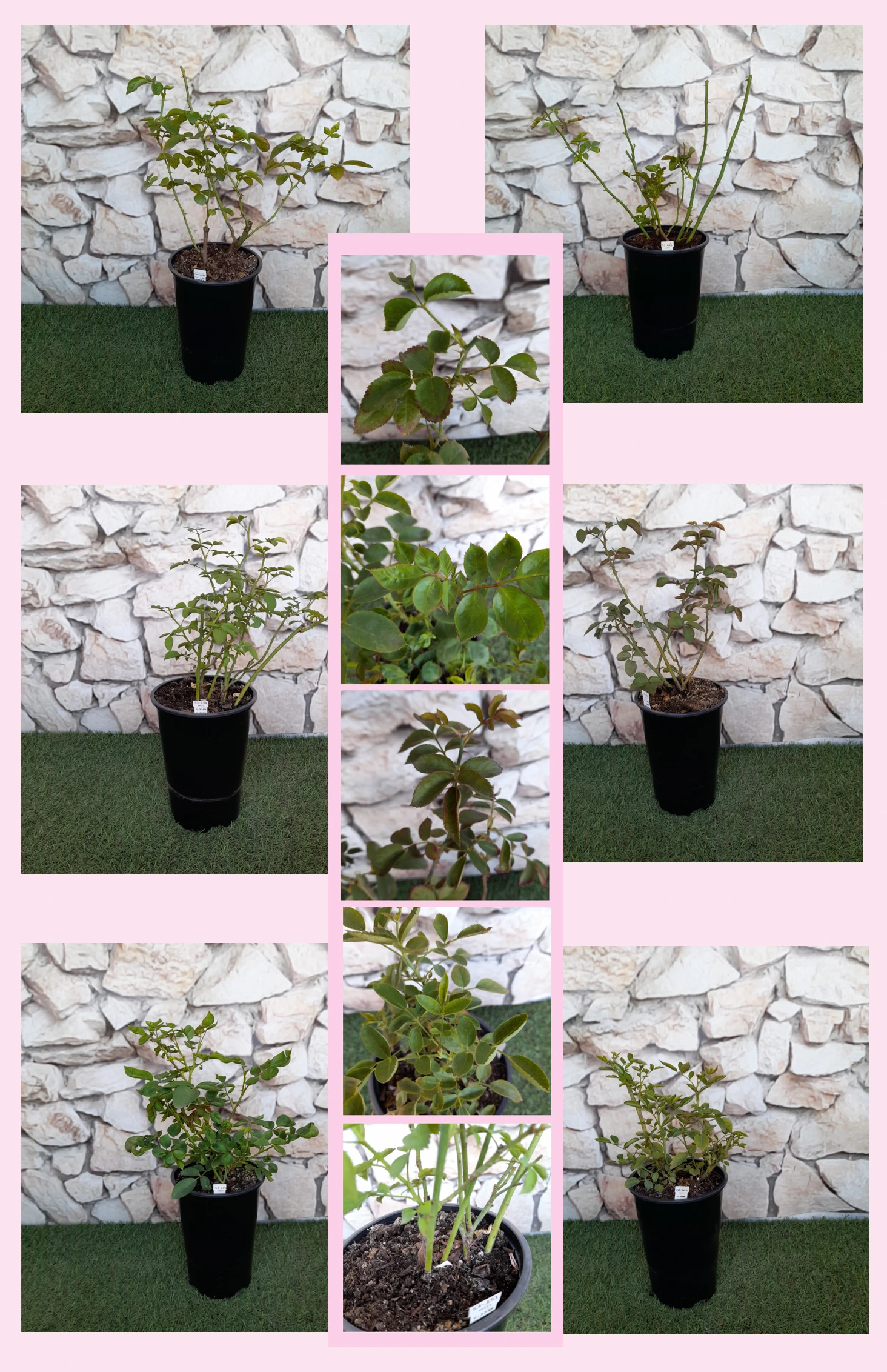
Step into a post-rain front garden and you will notice how this historical Hybrid Perpetual combines velvety blooms with a sense of quiet balance, ideal for sustainable London terraces and small urban plots where wind and rain meet heavy clay and need thoughtful drainage. The large, carmine-red flowers, delicately pencilled in white, carry an exceptionally strong, old-rose fragrance that lingers along a narrow path, while the bushy, upright habit gives reliable structure in compact family gardens. As an own-root rose, it settles in steadily with roots in year one, strong shoots in year two and impressive flowering by year three, building long-lived resilience and stable character rather than short bursts of display. Good disease resistance keeps routine care simple, and its heritage character brings period charm to “girly” planting schemes of lavender, sage and nepeta fed with soft collected rainwater rather than constant fuss.
Usage options
| Target area | Reasoning |
|---|
| Rain-aware London front garden |
The bushy, medium-sized shrub copes well with exposed, showery urban weather, making it suited to front gardens where wind and regular rain meet heavier soils, especially when you improve drainage for longer-term stability for beginners. |
| Low-maintenance heritage flowerbed |
Consistent disease resistance in UK conditions, together with modest pruning needs, keeps routine work light while still delivering repeat flushes, ideal if you want a period look without constant spraying for busy homeowners. |
| Specimen rose in small family garden |
The striking white-edged, deep red blooms and strong scent make a single shrub a focal point near a seating area or path, offering high visual and sensory impact from a relatively compact footprint for urban families. |
| Own-root plant for long-term structure |
Being grown on its own roots, it ages into a stable, regenerating shrub rather than relying on grafts, supporting a long lifespan and steady ornamental value with minimal specialist care for sustainability-minded gardeners. |
| Scented path or doorway planting |
The very strong, old-rose perfume carries well in still evening air, so planting near doors or along narrow paths turns everyday movements in and out of the house into fragrant moments for scent-lovers. |
| Season-long colour in traditional borders |
Repeat flowering ensures colour from early summer into later months, and deadheading encourages further blooms, so mixed borders avoid looking bare after the first flush and stay engaging for hobby gardeners. |
| Clay and chalk tolerant planting scheme |
This historical shrub manages in many typical UK gardens when soil is improved for structure, handling conditions where winter wet, wind and cooler summers are common challenges for front-garden owners. |
| Large wildlife-friendly container on balcony |
In a 40–50 litre peat-free pot with regular watering, it offers heritage flowers, some hips and a strong scent, giving a durable focal point where borders are impossible but characterful, long-lived planting is desired for city balcony gardeners. |
Styling ideas
- Victorian-Edge – Pair with low catmint and common sage in a rectangular front bed to echo period London terraces – ideal for lovers of traditional architecture.
- Rain-Path – Line a narrow, permeable path with Baron Girod de l’Ain and airy verbena to enjoy scent after showers – suitable for small, rain-aware family gardens.
- Balcony-Rose – Grow one plant in a 50 litre container with trailing nepeta to soften the pot and provide movement – designed for compact urban balconies.
- Heritage-Focus – Use a single shrub as a focal point framed by evergreen box or yew, letting its flowers take centre stage – perfect for structured but low-maintenance schemes.
- Soft-Girly – Combine with pale pink perennials and silver-leaved sage for a romantic, “girly” look that still feels grown-up – appealing to style-conscious beginners.
Technical cultivar profile
| Property | Data |
|---|
| Name and registration |
Baron Girod de l’Ain, a historical Hybrid Perpetual rose from the Heritage collection; unregistered but long established in cultivation and known under the trade names Baron Girod de l'Ain and Reverchon. |
| Origin and breeding |
Sport mutation of ‘Eugène Fürst’, raised by Reverchon in France and introduced in 1897, representing late nineteenth-century French breeding focused on richly coloured, repeat-flowering garden shrubs. |
| Awards and recognition |
Holder of an historic Large Silver Medal from the Association Horticole Lyonnaise (1897) and multiple Victorian Award show prizes from the American Rose Society between 1998 and 2012. |
| Growth and structural characteristics |
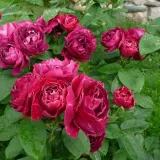
Upright, bushy shrub, typically 100–150 cm high and 90–140 cm wide, with moderately dense, matt light green foliage and moderate prickliness, forming a substantial but manageable garden presence. |
| Flower morphology |
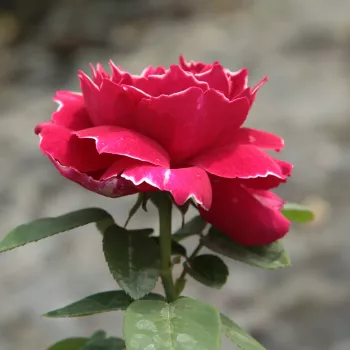
Large, double, cup-shaped blooms with 26–39 petals, borne mostly solitary; repeat flowering provides a generous second flush, especially when regularly deadheaded to compensate for its weak self-cleaning habit. |
| Colour data and phenology |
Deep carmine-red petals with irregular white edging; colour moderates to raspberry tones and may fade in strong heat, while remaining intense and clearly edged in cooler, less exposed garden situations. |
| Fragrance and aroma |
Very strong, garden-filling perfume with a classic old-rose character, best appreciated near paths and seating, turning even compact gardens into richly scented spaces during peak flowering flushes. |
| Hip characteristics |
Produces small numbers of hips, typically 12–18 mm, egg-shaped and orange-red, adding discreet late-season interest without overwhelming the plant or significantly affecting overall flowering performance. |
| Resistance and winter hardiness |
Rated to around −26 to −23 °C (RHS H7, USDA 5b), with good resistance to powdery mildew, black spot and rust, though it dislikes prolonged heat or drought and benefits from consistent watering. |
| Horticultural recommendations |
Best in full sun with fertile, well-drained soil; suit flowerbeds, specimen planting, small parks and cutting. Space 100–180 cm depending on use, and water regularly in hot, dry spells for best results. |
BARON GIROD DE L'AIN offers richly scented, repeat red blooms on a disease-resilient, own-root shrub that matures into a long-lived feature, making it a thoughtful choice if you favour enduring character over instant effect.