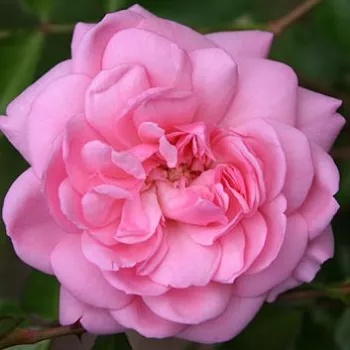
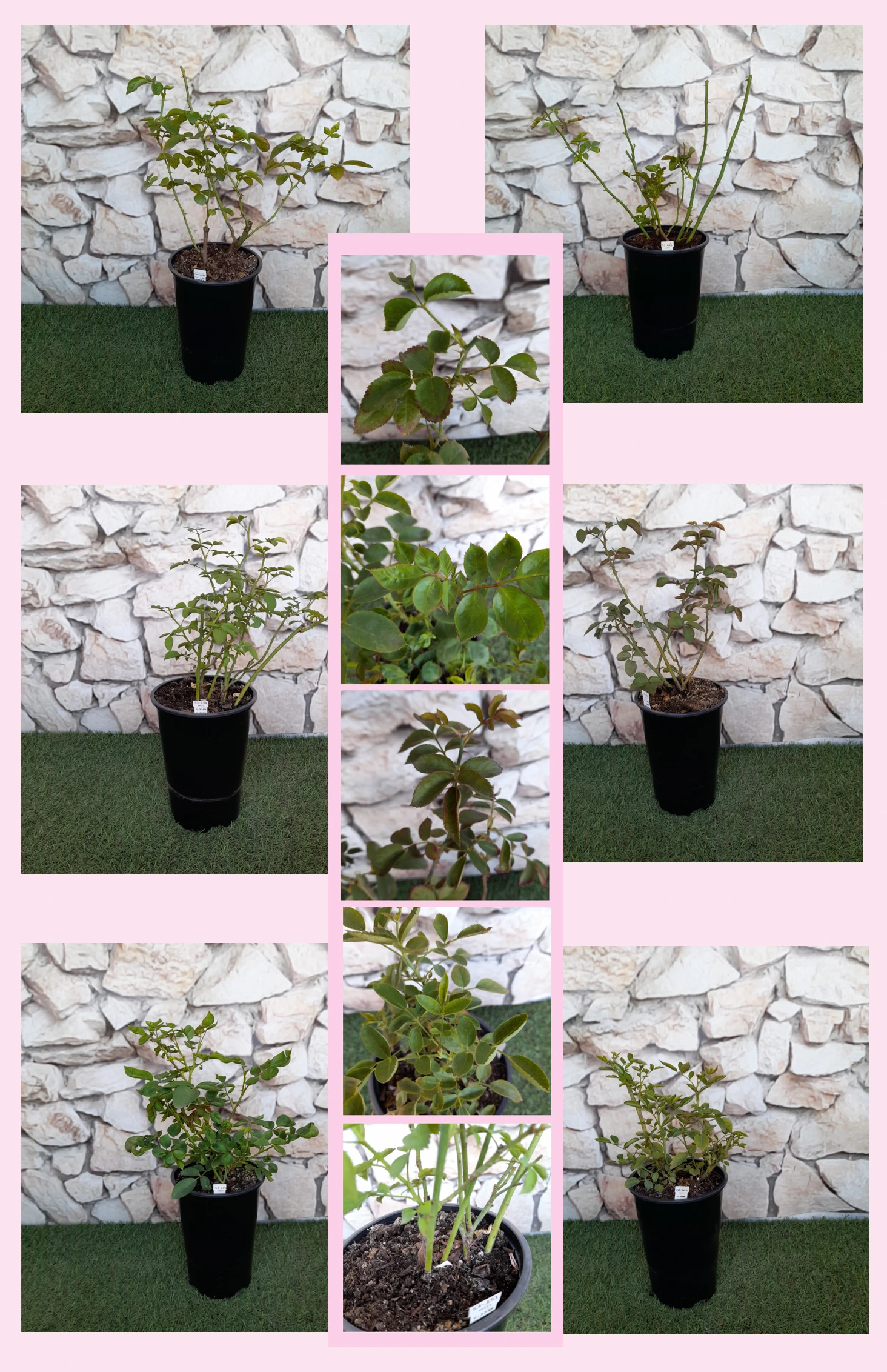
BELLE COQUETTE – pink landscape shrub rose – Schultheis
Step past the railings of a London terrace and imagine soft petals brushing your sleeve as pastel clusters of bloom lean gently over the path, holding the last drops of rain in their cupped flowers. BELLE COQUETTE brings a quietly romantic mood to compact front gardens, thriving even where gardens must cope with blustery showers and heavier soils that need thoughtful drainage after downpours. Its bushy, medium-height habit builds into a dense, green backdrop that keeps the scene looking full and polished long after other bedding has faded, while its hardy, own-root constitution supports a reassuringly long-lived framework in family spaces. In the first season it concentrates on roots, the second brings stronger shoots and shape, and by the third year it settles into its full ornamental value with an easy, sustainable urban-garden rhythm.
Usage options
| Target area |
Reasoning |
| Front-garden bedding beside a narrow path |
BELLE COQUETTE’s bushy, medium-height structure frames tight paths without overwhelming them, giving a soft, romantic edge that still leaves room for everyday coming and going – ideal for the busy urban garden owner |
| Rainwater-conscious city planting on heavier soils |
Once established, its dense, fibrous root system helps knit together improved topsoil over heavy clay, partnering well with simple gravel channels to guide excess rainwater away from paths – reassuring for the sustainability‑minded gardener |
| Long-season flowering bed in a family garden |
Remontant blooming provides a main flush followed by a generous repeat, keeping pastel pink colour in view across the main season with minimal planning of succession – appreciated by the time‑pressed homeowner |
| Low, informal flowering hedge |
Planting at hedge distance creates a low, softly billowing line of bloom and foliage that gently defines boundaries without solid fencing, especially effective along front drives – suitable for the family‑garden planner |
| Statement specimen in a compact border |
At around 85–120 cm high, a single plant reads as a clear focal point in smaller plots while leaving room for herbs or perennials at its feet to extend interest – attractive to the small‑space gardener |
| Large container on balcony or paved frontage |
Grown in a 40–50 litre or larger pot with peat‑free compost, its upright, bushy form and pastel clusters create a soft screen and seasonal accent on hard landscaping – convenient for the balcony and patio owner |
| Long-lived structural planting in mixed borders |
As an own-root shrub, the plant slowly builds a resilient base that can be rejuvenated from below if cut back, supporting a longer planting life than many short-lived bedding choices – reassuring for the value‑conscious beginner |
| Softly scented seating-area planting |
Clusters of cupped blooms release a light, rosy fragrance at close range, best appreciated near benches or doorways where you pass after rain or in the evening – ideal for the scent‑loving hobby gardener |
Styling ideas
- Terrace Welcome – edge a small London front garden with BELLE COQUETTE underplanted with low lavender for contrast and a soft scent corridor – for urban homeowners wanting gracious everyday entrances
- Pastel Ribbon – weave a loose line of shrubs through a mixed border with nepeta and white campanula to create a gentle, romantic drift of pink and blue – for gardeners who like relaxed, cottage-style structure
- Balcony Screen – place one plant in a 50‑litre pot with trailing thyme and soft grasses to form a light, flowering privacy veil – for flat-dwellers greening paved or balcony spaces
- Family Frame – use a low row along a play-lawn edge, spacing to keep access clear while marking boundaries with colour rather than hard fencing – for families shaping practical, child-friendly gardens
- Courtyard Focus – plant a single shrub in a central bed, circling it with sage and dwarf fountain grass for texture around a pastel focal point – for design-aware gardeners seeking a simple structural centrepiece
Technical cultivar profile
| Characteristic |
Data |
| Name and registration |
Modern shrub (landscape shrub) bedding rose marketed as BELLE COQUETTE, also listed as Belle Coquette Bedding rose Schultheis; ARS approved exhibition name Belle Coquette; own-root, 2‑litre container form here. |
| Origin and breeding |
German-bred seedling of ‘Bonica’ (Meilland, 1975) from Rosenhof Schultheis; bred by Heinrich Schultheis and introduced around 1999, representing a compact, floriferous landscape shrub rose line. |
| Growth and structural characteristics |
Bushy, dense shrub reaching about 85–120 cm high and 75–110 cm wide, with mid-green, glossy foliage and moderate prickles; forms a compact, full plant suited to bedding, hedging and smaller landscape schemes. |
| Flower morphology |
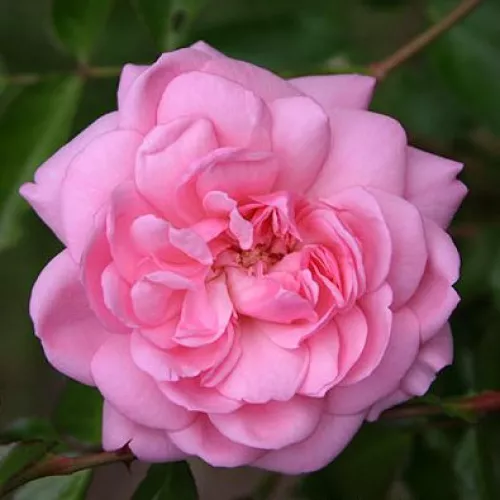
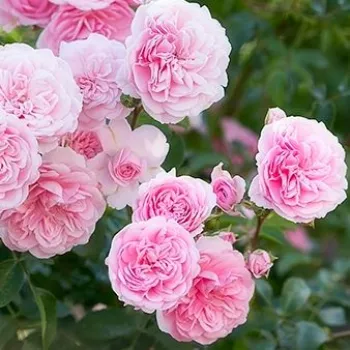
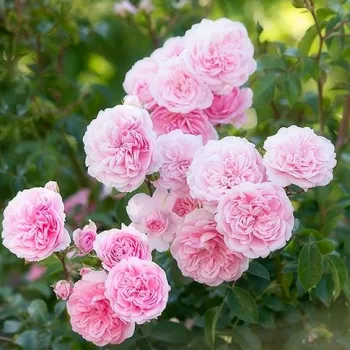
Medium-sized, double, cupped blooms with 26–39 petals are carried in clustered inflorescences; remontant habit gives a main flush followed by abundant repeat flowering through suitable weather conditions. |
| Colour data and phenology |
Soft pastel light pink with slightly deeper centre on opening; later the petals fade towards white at the edges, sometimes with spotting in cool, wet spells, giving a gentle, variable pastel effect over time. |
| Fragrance and aroma |
Offers a mild, delicately rosy scent best experienced at close range around seating or paths; fragrance is not overpowering, making it comfortable for everyday family use and smaller, enclosed gardens. |
| Hip characteristics |
Hip set is generally sparse due to double blooms, though small spherical orange-red hips about 6–10 mm diameter may form occasionally, adding a discreet late-season accent for observant gardeners. |
| Resistance and winter hardiness |
Extremely hardy shrub tolerating approximately −32 to −29 °C (RHS H7, Swedish Zone 5, USDA 4b); however, it is highly susceptible to powdery mildew, black spot and rust, requiring regular protective care. |
| Horticultural recommendations |
Best in sunny positions with good air circulation; space at 55–100 cm depending on use, using 2.5–2.9 plants/m² in mass plantings; monitor closely and treat promptly for fungal diseases through the growing season. |
BELLE COQUETTE offers pastel repeat flowering, compact structure and long-lived own-root resilience for smaller gardens and containers, making it a thoughtful choice if you enjoy tending and shaping a characterful rose over time.