BESSY™ – orange ground-cover rose – Interplant
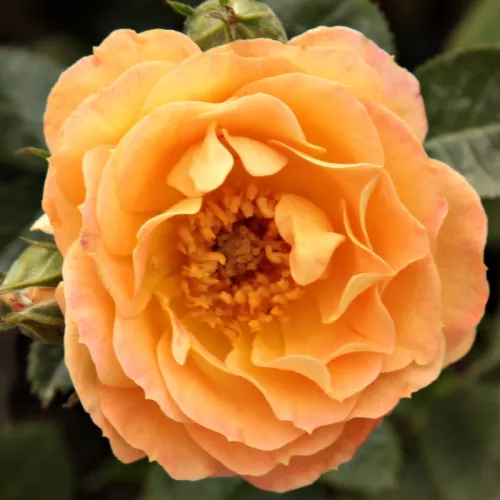
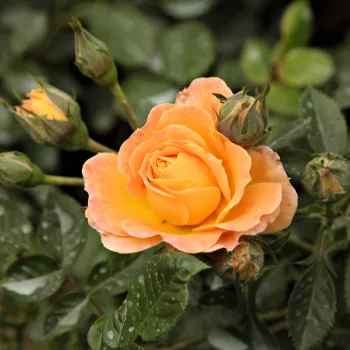
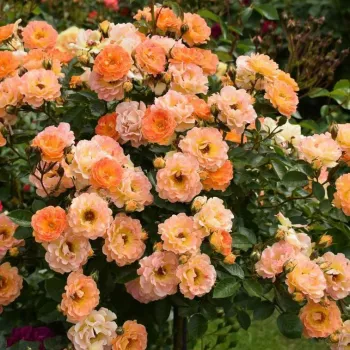
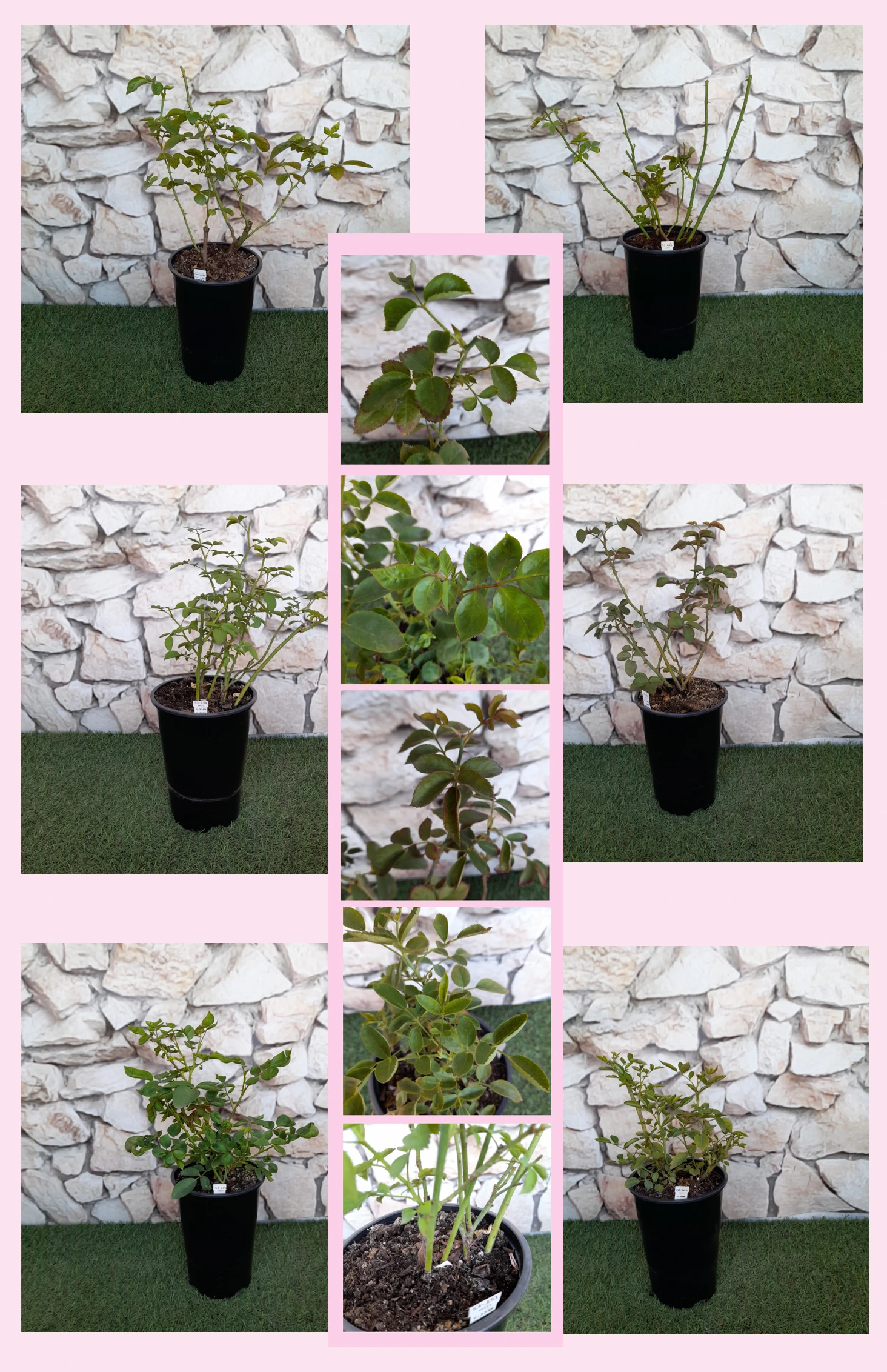
Bring structure and colour to modest London front gardens with BESSY™, a compact, spreading ground-cover rose that thrives in typical British changeable weather and copes well with rainfall and heavier soils. Its low, wide habit creates a living carpet of warm orange blooms from early summer well into autumn, with semi-double flowers that stay open and accessible for visiting bees. As an own-root rose in the pharmaROSA® ORIGINAL 2-litre range, BESSY™ settles in steadily, with roots establishing in the first year, stronger shoots in the second, and full ornamental impact by the third. The glossy dark foliage adds season-long texture, while its sparse thorns make everyday maintenance and child-friendly access more straightforward in busy family settings.
Usage options
| Target area | Reasoning |
|---|
| Low-maintenance front garden groundcover |
BESSY™ forms a dense, spreading mat that quickly covers bare soil, reducing weeding and giving tidy kerb appeal with minimal effort. Ideal where you want repeat flowering and neat structure without complicated pruning for the busy urban gardener |
| Pollinator-friendly city planting |
The semi-double, open blooms allow bees and other insects easy access to nectar and pollen, bringing gentle movement and life to small, paved-heavy plots while still looking refined and contemporary for the sustainability-minded homeowner |
| Rainwater-conscious urban beds |
Used as a low shrub layer in mixed borders, BESSY™ helps stabilise soil and works well with permeable, rainwater-fed planting schemes, giving colour while coping reliably with wet, heavy conditions for the rainwater-harvesting garden owner |
| Compact container or large pot displays |
In a 40–50 litre or larger container, BESSY™ keeps a controlled height but spreads to soften edges, its dark foliage and orange flowers pairing easily with herbs or grasses on steps and balconies for the space-conscious city dweller |
| Heat- and sun-exposed spots |
Good heat tolerance means this rose performs on sunnier, more exposed walls or forecourts, where reflective surfaces can stress fussier varieties, while regular watering in prolonged dry spells keeps flowering consistent for the time-pressed home gardener |
| Partially shaded corners |
Suitable for partial shade, BESSY™ still flowers well where many roses sulk, helping you use awkward side returns, north-east aspects or between-building gaps more creatively for the practical, design-aware planter |
| Family-friendly edging and play-adjacent beds |
The relatively low, spreading habit and sparse prickles make this variety easier to integrate along paths or near play lawns, giving colour and structure while being simpler to live with day to day for the young-family household |
| Long-term, resilient planting schemes |
As an own-root shrub, BESSY™ builds a durable framework that can regenerate from the base if damaged, supporting a stable display over many years with moderate, straightforward care for the long-view garden investor |
Styling ideas
- Terrace-Ribbon – Run a low band of BESSY™ along a small front boundary, underplanted with lavender and nepeta to echo its orange with cool blues – ideal for colour-loving terrace owners
- Rain-Garden – Combine BESSY™ with ornamental grasses and moisture-tolerant perennials in a free-draining, raingarden bed to manage runoff – suited to eco-conscious urban households
- Soft-Edged – Use BESSY™ as a billowing path-edge with sage and dwarf catmint to blur hard paving lines – perfect for relaxed, cottage-style city gardens
- Courtyard-Pot – Plant one BESSY™ in a 50 litre clay pot with gravel mulch and thyme at the base for a structured yet easy-care focal point – great for busy balcony and courtyard users
- Play-Safe – Mass-plant BESSY™ in a low bed near lawns, mixing in yarrow for pollinators and keeping sightlines open – helpful for families wanting visibility and gentle planting
Technical cultivar profile
| Parameter | Data |
|---|
| Name and registration |
Groundcover shrub rose marketed as BESSY™ by Interplant; ARS exhibition name Bessy; part of the Ground cover collection; commercial type groundcover rose for garden and landscape use. |
| Origin and breeding |
Bred by Interplant Roses BV in the Netherlands, introduced and registered in 1998; parentage not recorded; selected for ground-cover habit and reliable garden performance in varied European conditions. |
| Growth and structural characteristics |
Low, spreading shrub reaching about 40–60 cm in height and 60–95 cm in width; dense, glossy, dark green foliage, with a broadly ground-hugging habit and only sparse prickles for easier handling. |
| Flower morphology |
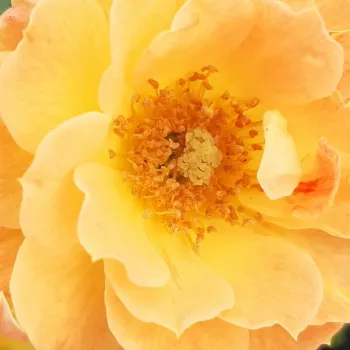
Semi-double, cup-shaped clusters of small flowers, around 0.5–1.5 inches across; petals number roughly 13–25 per bloom; flowers open fairly flat in clusters and repeat well with an abundant second flush. |
| Colour data and phenology |
Deep orange base with golden-yellow shading; ARS code O, RHS 24B outer and 23A inner; colour softens over time to peach and cream tones, with a long, repeat-flowering season in suitable conditions. |
| Fragrance and aroma |
Fragrance is mild and restrained, offering a delicately sweet aroma close to the plant rather than a strong garden-wide scent; suitable where subtlety is preferred near doors, seating or small courtyards. |
| Hip characteristics |
Produces moderate quantities of small spherical hips, usually around 7–11 mm in diameter, in an orange-red shade that can extend ornamental interest and offer wildlife value into late season. |
| Resistance and winter hardiness |
Hardy to approximately −21 to −18 °C (RHS H7, USDA 6b, Swedish Zone 3); disease resistance rated medium for black spot, mildew and rust, needing occasional protection in high-pressure, humid seasons. |
| Horticultural recommendations |
Recommended for groundcover, edging, beds, containers and urban green spaces; spacing 40–75 cm depending on use, with 4.2–4.8 plants per m² in mass schemes; tolerates partial shade with regular care. |
BESSY™ offers compact ground-cover flowering, partial shade tolerance and durable own-root resilience, making it a thoughtful choice if you seek a long-lived, quietly reliable rose for everyday gardens.