BLACKBERRY NIP™ – Hybrid tea rose
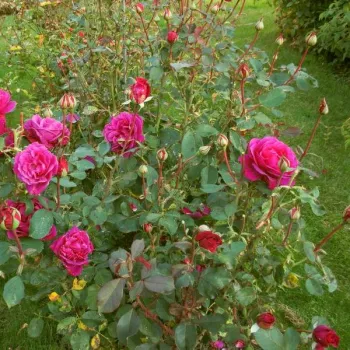
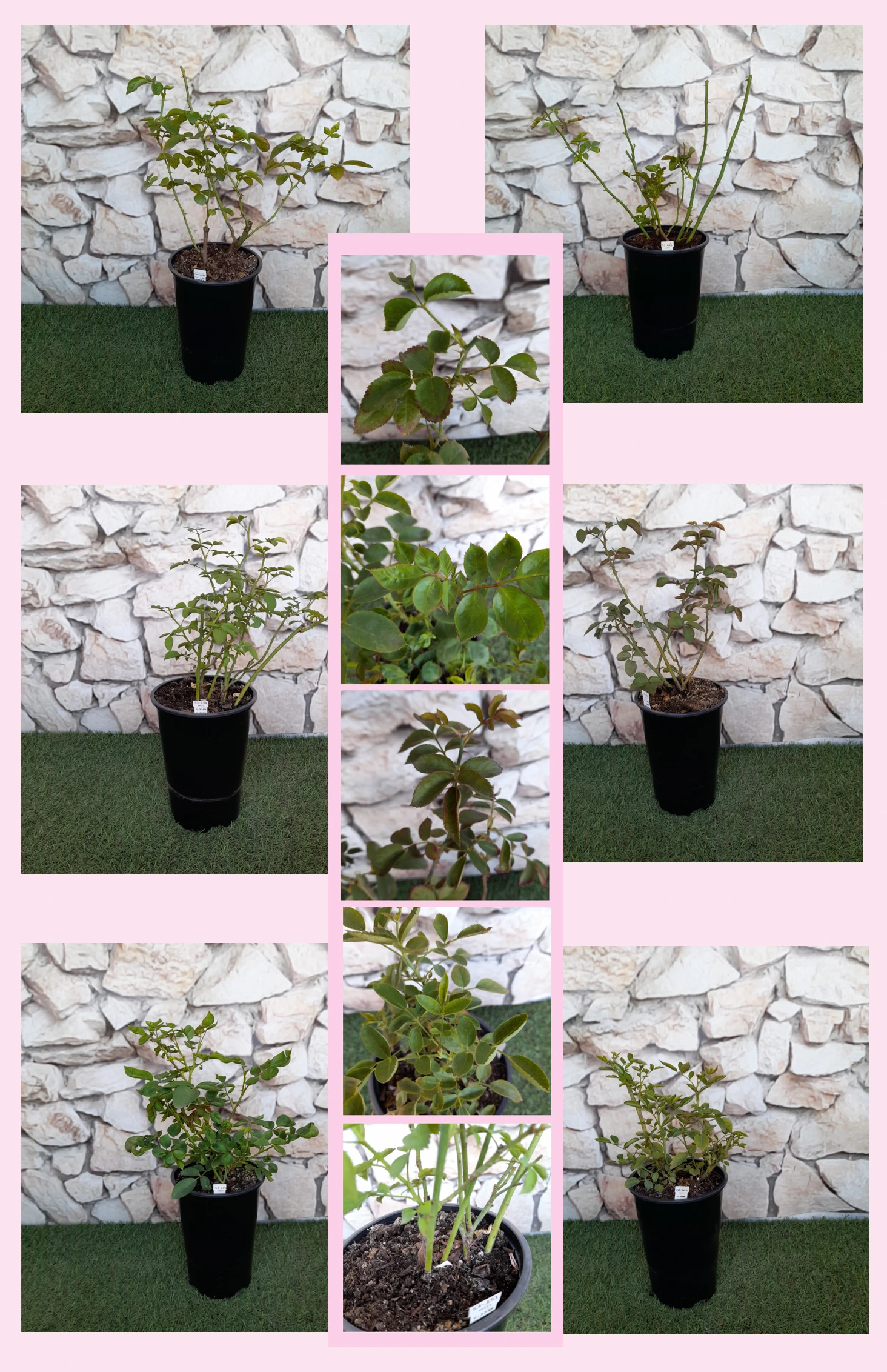
BLACKBERRY NIP™ brings a quietly dramatic presence to compact front gardens, combining velvety plum-purple blooms with a calm, balanced outline that suits small London terraces and rain‑aware planting. Its very strong, lingering perfume turns a simple doorstep into a moment of post‑rain luxury, while bushy, medium‑maintenance growth keeps everyday care pleasantly manageable. As a border feature or taller specimen, it fits naturally into clay soils once drainage is improved to cope with humidity and fungal pressure in changeable UK summers. The 2‑litre own‑root plant settles in steadily – year‑one roots, year‑two top growth, year‑three full ornamental value – building long‑term stability and regeneration without complicated pruning or specialist skills.
Usage options
| Target area | Reasoning |
|---|
| Front garden feature rose |
The upright yet bushy habit (around 100–140 cm) gives enough height for presence without overwhelming a narrow terrace frontage, while the rich purple flowers read clearly from the pavement, suiting those who want impact in a compact space, especially beginners. |
| Border focal point |
Large, very double blooms are carried mainly singly on stems, ideal as a focal point within a mixed border, threading deep colour through grasses and perennials for a long season, appealing to gardeners who enjoy a clear “star” plant among softer planting, including hobbyists. |
| Cut-flower and vase use |
Blackberry Nip was bred as an exhibition hybrid tea, with high‑centred buds and long, strong stems, so it cuts beautifully for the house, rewarding anyone who likes to bring home-grown flowers indoors and values a reliable, personal source of scented stems, particularly homeowners. |
| Fragrance-focused seating area |
The very strong, sweetly spicy perfume carries well in still evening air, making this a good choice beside a front step or small seating corner, perfect for those who prioritise scent and want maximum sensory return from a limited urban space, notably busy owners. |
| Rain-aware urban planting |
Rooting on its own base helps the shrub recover if top growth is reduced by wind or wet spells, while good self-cleaning keeps soggy petals from clinging, complementing careful soil preparation where winter wet and fungal pressure are common in small city plots, for thoughtful urbanites. |
| Long-term garden framework |
Because it is supplied on its own roots, the plant can regenerate from the base without graft issues, supporting a longer functional lifespan and stable shape, which suits those planning a lasting, low-fuss structure around a family home, including future‑minded planners. |
| Part-shade side return |
Suitable for partial shade, it copes with light levels often found in side returns between houses, where full sun is limited, making it a realistic choice for people working with awkward, overlooked strips who still want classic blooms and manageable care, such as space‑conscious residents. |
| Medium-care family border |
Moderate disease and drought tolerance mean it appreciates basic attention: mulching, watering through dry spells and occasional checks for black spot, fitting gardeners who are happy with simple, periodic tasks rather than intensive routines in a lived‑in family garden, especially time-poor owners. |
Styling ideas
- Velvet-Classic – Set Blackberry Nip among lavender and nepeta to echo its plum tones with soft blues, creating a calm, scented frontage – ideal for busy professionals seeking low-clip structure and evening fragrance.
- Terrace-Dramatic – Combine with dark-leaved heuchera and slate-grey pots for a moody urban doorway composition – suited to small London terraces where strong colour and tidy shapes matter.
- Cottage-Border – Thread stems through airy calamint and blue globe thistle to contrast velvety blooms with light, wildlife-friendly textures – perfect for hobby gardeners wanting character without losing order.
- Side-Return – Underplant with evergreen dwarf honeysuckle to cover the soil and soften fences, using Blackberry Nip as the vertical accent – good for homeowners improving narrow, part-shaded side paths.
- Formal-Duo – Plant a mirrored pair by the front gate or steps, with low clipped box or drought-tolerant sage at their feet – appealing to those who like a composed, welcoming entrance.
Technical cultivar profile
| Property | Data |
|---|
| Name and registration |
BLACKBERRY NIP™ hybrid tea rose, exhibition-type cut-flower cultivar; American Rose Society approved exhibition name ‘Blackberry Nip’; commercial type hybrid tea rose, Somerfield selection. |
| Origin and breeding |
Bred by Rob Somerfield, Glenavon Roses Ltd, Tauranga, New Zealand; parentage unknown; introduced and registered in 1996 by Glenavon Roses Ltd as a premium, strongly scented hybrid tea. |
| Awards and recognition |
Silver Star of the South Pacific and Certificate of Merit, Palmerston North International Rose Trials (1998); Auckland Rose of the Year and Fragrance Award, highlighting its show and scent qualities. |
| Growth and structural characteristics |
Bushy shrub, approximately 100–140 cm high and 85–115 cm spread; dense, slightly glossy grey-green foliage; densely thorned stems; good self-cleaning with most spent blooms dropping naturally. |
| Flower morphology |
Large, very double, high-centred blooms with over 40 petals; mainly solitary exhibition-type flowers on stems; remontant with a generous second flush, suitable for cutting and show display. |
| Colour data and phenology |
Velvety dark plum-purple with magenta overtones; RHS 79A outer, 71B inner; silvered petal edges; colour softens to violet-pink and fades more in strong sun, with a long ornamental opening period. |
| Fragrance and aroma |
Very strong, long-lasting perfume with a sweetly spicy character; primarily ornamental and cut-flower; fully double blooms limit pollen access, so it offers low pollinator value despite its abundance. |
| Hip characteristics |
Produces hips only rarely; small spherical red fruits around 4–6 mm diameter may appear sporadically but are not a dominant ornamental feature of this cultivar in typical garden conditions. |
| Resistance and winter hardiness |
Hardy to approximately -21 to -18 °C (RHS H7, USDA 6b, Swedish zone 3); moderate tolerance to powdery mildew, black spot and rust; moderate heat tolerance, needing irrigation in prolonged dry spells. |
| Horticultural recommendations |
Suited to borders, specimen planting and cutting; medium maintenance with occasional pest and disease control; plant 60–110 cm apart; thrives in well-drained soil and benefits from a 40–50 litre container when potted. |
BLACKBERRY NIP™ rewards you with sumptuous cut flowers, powerful fragrance and a durable, regenerating own-root framework, making it a thoughtful choice for a long-lived, characterful front garden you can enjoy with confidence.