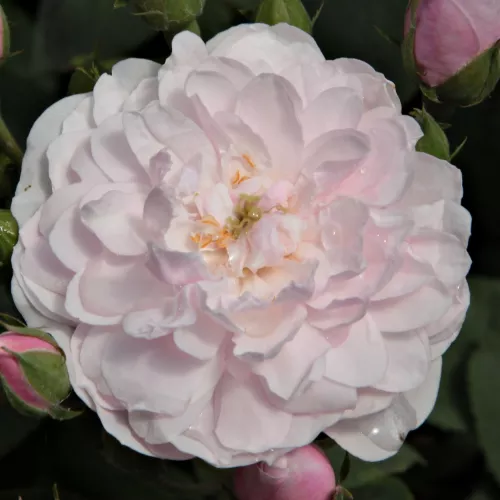
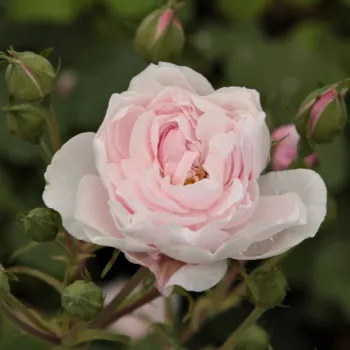
BLUSH NOISETTE – pink historic noisette rose
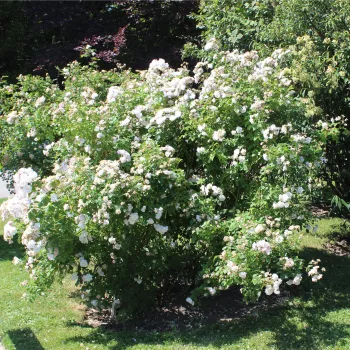
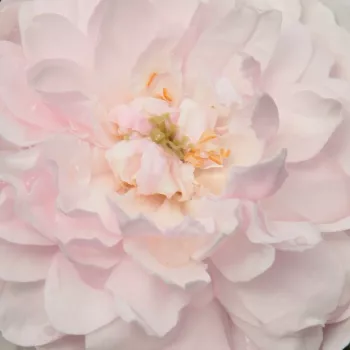
Step through your front gate after rain and be met by the honeyed, muscatel perfume of ‘Blush Noisette’, a historic Noisette rose that brings elegance and romance to compact London-style gardens while coping reliably with cool summers and frequent showers in breezy, exposed settings. Its upright, moderately vigorous habit fits narrow beds, small front gardens and sheltered walls, yet the foliage remains pleasingly dense and mid‑green, giving year‑round structure even when not in bloom. Clustered, powdery‑pink rosettes open in generous flushes from early summer, repeating well into autumn for a notably long season of flower. Sparse prickles keep routine tasks more gentle for everyday family use and beginner gardeners, while the own‑root form promises steady regeneration and long life as the plant quietly establishes strong roots, then fuller shoots, before building to its mature, balanced presence.
Usage options
| Target area | Reasoning |
|---|
| Narrow London front garden bed |
The upright, moderately tall habit makes ‘Blush Noisette’ ideal for slim borders between pavement and house, giving vertical interest without overwhelming tight spaces, especially when trained lightly on discreet supports for busy urban gardeners |
| Climbing accent on a warm house wall |
As a historic Noisette with flexible stems and repeat flowering, it can be fan-trained against a south or west-facing wall to create a soft, romantic screen of pale rosettes, while sparse prickles make seasonal tying-in and pruning less demanding for homeowners |
| Rainwater‑friendly cottage-style entrance |
Dense mid‑green foliage and freely repeating clusters give a long period of cover and colour, working well with permeable gravel or brick paths that channel rainwater into the planting, reflecting a more sustainable town‑garden approach for eco‑minded beginners |
| Family seating area backdrop |
The strong, long‑lasting scent and successive flushes of soft pink flowers create a relaxing, nostalgic backdrop behind benches or small patios, providing sensory value over many months with only moderate routine care needed by casual rose lovers |
| Part‑shaded side return or passage |
Its suitability for partial shade allows you to green up awkward side passages where many roses struggle, bringing gentle colour and fragrance to light, dappled conditions without the need for intensive coaxing from time‑pressed householders |
| Own-root long-term feature shrub |
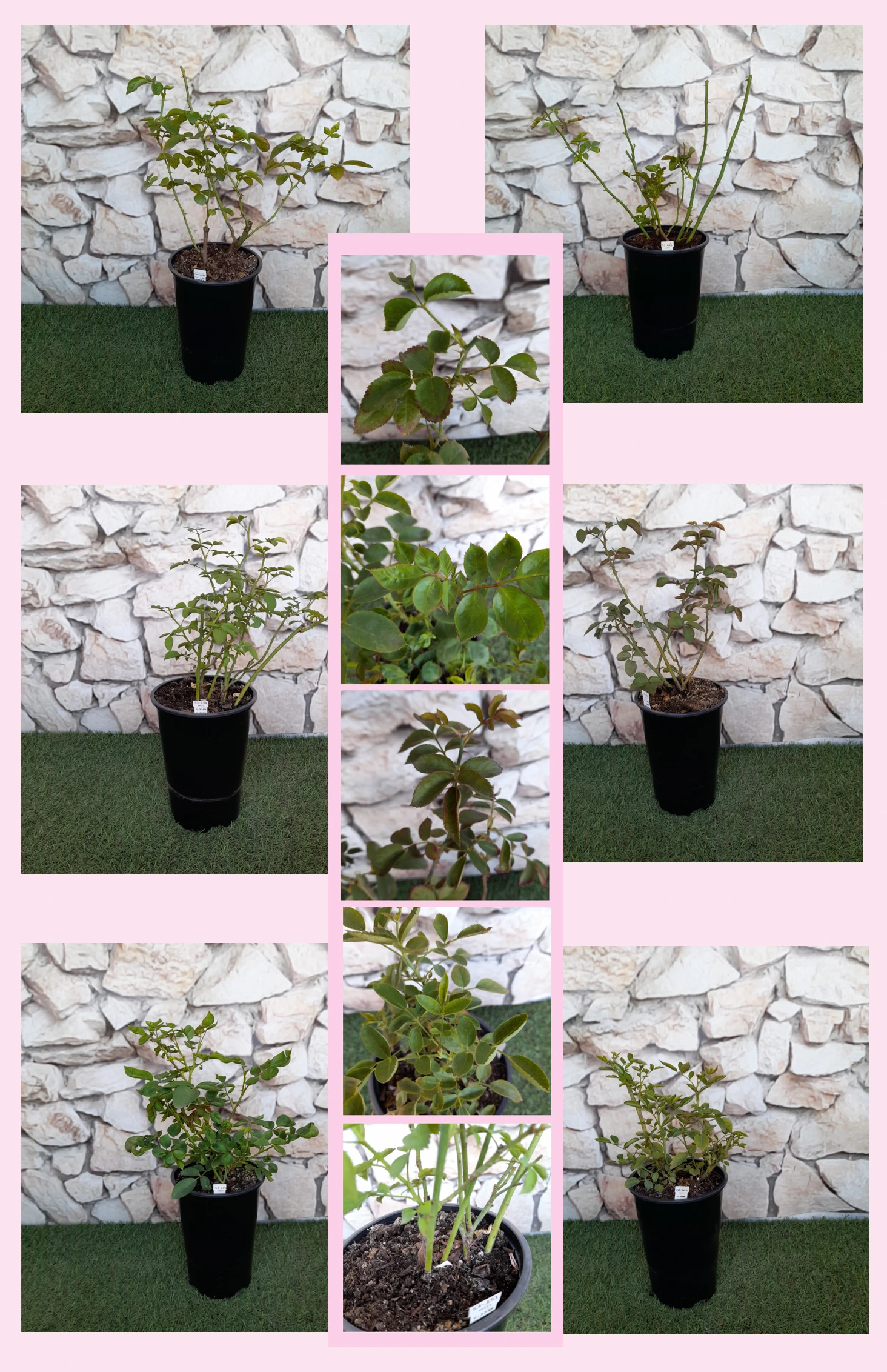
Being supplied on its own roots supports a naturally long lifespan, with the shrub steadily rebuilding from the base after pruning or weather damage, helping preserve its ornamental value and reducing replacement needs for budget-conscious gardeners |
| Low‑thorn walkway or children’s route |
Sparsely thorned stems are easier to manage near paths used by children or along frequently accessed routes, reducing snagging on clothing and making simple pruning tasks more approachable and less daunting for garden beginners |
| Large container by front door (40–50 L+) |
In a generous 40–50 litre peat‑free container, its upright form and repeat clusters can frame entrances for years, provided regular watering in dry spells and feeding, offering a graceful, space‑efficient rose option for balcony and doorstep owners |
Styling ideas
- PERGOLA‑ROMANTIC – Let ‘Blush Noisette’ scramble up a light pergola and underplant with airy ornamental grasses for a soft, enveloping tunnel of scent – for nostalgic homeowners seeking a gentle retreat
- FRONT‑GARDEN – Combine with lavender, nepeta and sage in a permeable, gravel‑mulched strip to create a pretty, rain‑absorbing buffer between pavement and facade – for sustainability‑minded city dwellers
- HERITAGE‑CLUSTER – Plant as a loose group of three shrubs in a small lawn island, mixing with daylilies and pink verbena for continuous summer interest – for romantic cottage‑style enthusiasts
- COURTYARD‑FOCAL – Grow in a generous terracotta pot (50 L+) by the front step, paired with soft grey foliage plants to highlight the powdery pink rosettes – for balcony and courtyard gardeners
- WALL‑RIBBON – Train along horizontal wires on a sunny wall, interweaving with clematis for layered bloom and texture over many months – for design‑conscious urban gardeners
Technical cultivar profile
| Parameter | Data |
|---|
| Name and registration |
Historic Noisette rose marketed as ‘Blush Noisette’, a classic member of the Historical rose group; verified cultivar identity for reliable garden performance and authentic old‑rose character. |
| Origin and breeding |
Bred by Philippe Noisette in the United States around 1814, from ‘Champneys’ Pink Cluster’ × unknown seedling; introduced to Europe between 1814–1817 and widely grown since 1817. |
| Growth and structural characteristics |
Forms an upright, moderately vigorous shrub or short climber, about 150–220 cm high and 120–190 cm wide, with dense mid‑green foliage and relatively sparse prickles on the stems. |
| Flower morphology |
Produces small, double, rosette‑shaped blooms in generous clusters, each with approximately 26–39 petals; repeat flowering is reliable, with a particularly abundant second flush. |
| Colour data and phenology |
Buds open soft porcelain pink, then fade towards pale blush and almost white centres; overall colour effect is light, with weak colour retention giving a delicate, subtly shifting appearance. |
| Fragrance and aroma |
Flowers carry a strong, long‑lasting scent with honeyed, muscatel notes; fragrance is prominent around seating areas or paths, especially in still, humid air after rainfall or in the evening. |
| Hip characteristics |
Occasional small, spherical orange‑red hips may develop, typically 6–9 mm in diameter; decorative interest is modest, as flowering and fragrance remain the main ornamental features. |
| Resistance and winter hardiness |
Hardy to about −21 to −18 °C (RHS H7; USDA 6b), with moderate resistance to black spot, mildew and rust; copes well with summer heat but needs watering during extended dry spells. |
| Horticultural recommendations |
Suited to beds, pergolas, walls and solitary planting at 90–165 cm spacing; prefers well‑drained soil, partial shade tolerance, and benefits from periodic pruning plus occasional pest control. |
BLUSH NOISETTE offers long, fragrant repeat flowering, a space‑efficient upright habit and regenerative own‑root strength, making it a considered choice for those planning a graceful, enduring garden feature.