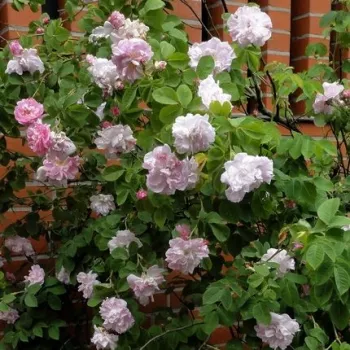
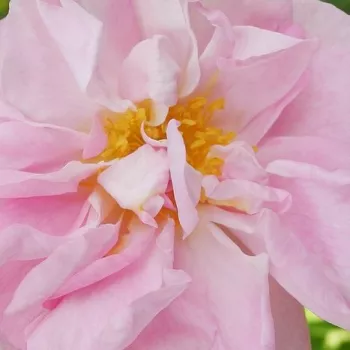
CELSIANA – pink historic Damask rose
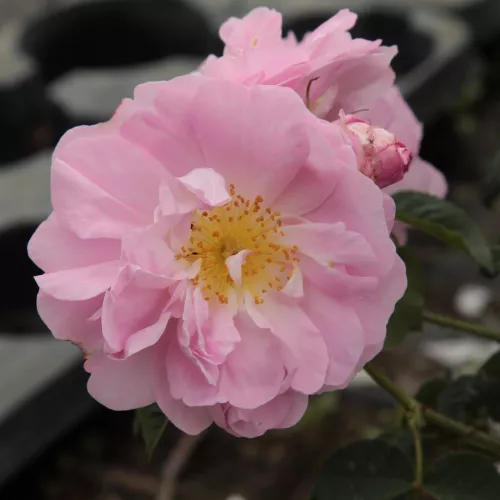
Step outside after rain and you may notice how Celsiana seems made for that cool, fragrant moment: the semi-double, nodding blooms release a damask, sweet-spicy perfume that carries across even a small London front garden. This historic shrub rose is naturally resilient, coping well with breezier sites and heavier soils when you provide decent drainage, making it a reassuring choice where weather and time are in short supply. Flowering once in early summer, it delivers a concentrated flush of soft mid-pink, pollinator-friendly clusters, then settles into a grey-green, textural backdrop for the rest of the season. Grown on its own roots for long life and easy recovery, it rewards patient gardeners as roots establish in the first year, woody structure builds in the second, and full ornamental impact appears by the third. Ideal for relaxed, rainwater-conscious spaces, this rose feels balanced, sustainable and quietly enduring.
Usage options
| Target area | Reasoning |
|---|
| Front-garden focal shrub |
The upright, gently arching habit and mid-pink, cupped blooms form a soft, romantic focal point beside a path or bay window, delivering a strong early-summer show with very little shaping required – ideal for the busy urban gardener. |
| Light, informal hedge |
Planted at 130 cm intervals, Celsiana makes a loose, semi-transparent boundary that flowers in a single, spectacular wave, then holds a grey‑green screen and bright hips into autumn, suiting those who prefer charm over strict formality – perfect for the family front garden owner. |
| Rainwater-conscious planting strip |
This deep-rooting historic shrub copes well where downpipes and run-off feed a permeable planting bed, provided excess water can drain away, helping you turn hardstanding edges into a fragrant, absorbent buffer – ideal for the rainwater-aware city gardener. |
| Pollinator-friendly rose border |
Semi-double flowers with exposed stamens provide easy access for bees during their concentrated flowering period, making Celsiana a strong “feast-week” feature in mixed borders when paired with long-flowering perennials – a good choice for the pollinator-conscious beginner. |
| Low-maintenance historic collection |
With moderate disease resistance and a self-cleaning habit, this rose keeps a tidy appearance with minimal deadheading, letting you enjoy a classic Damask without weekly fuss or spraying routines – appealing to the time-pressed enthusiast. |
| Long-lived, own-root specimen |
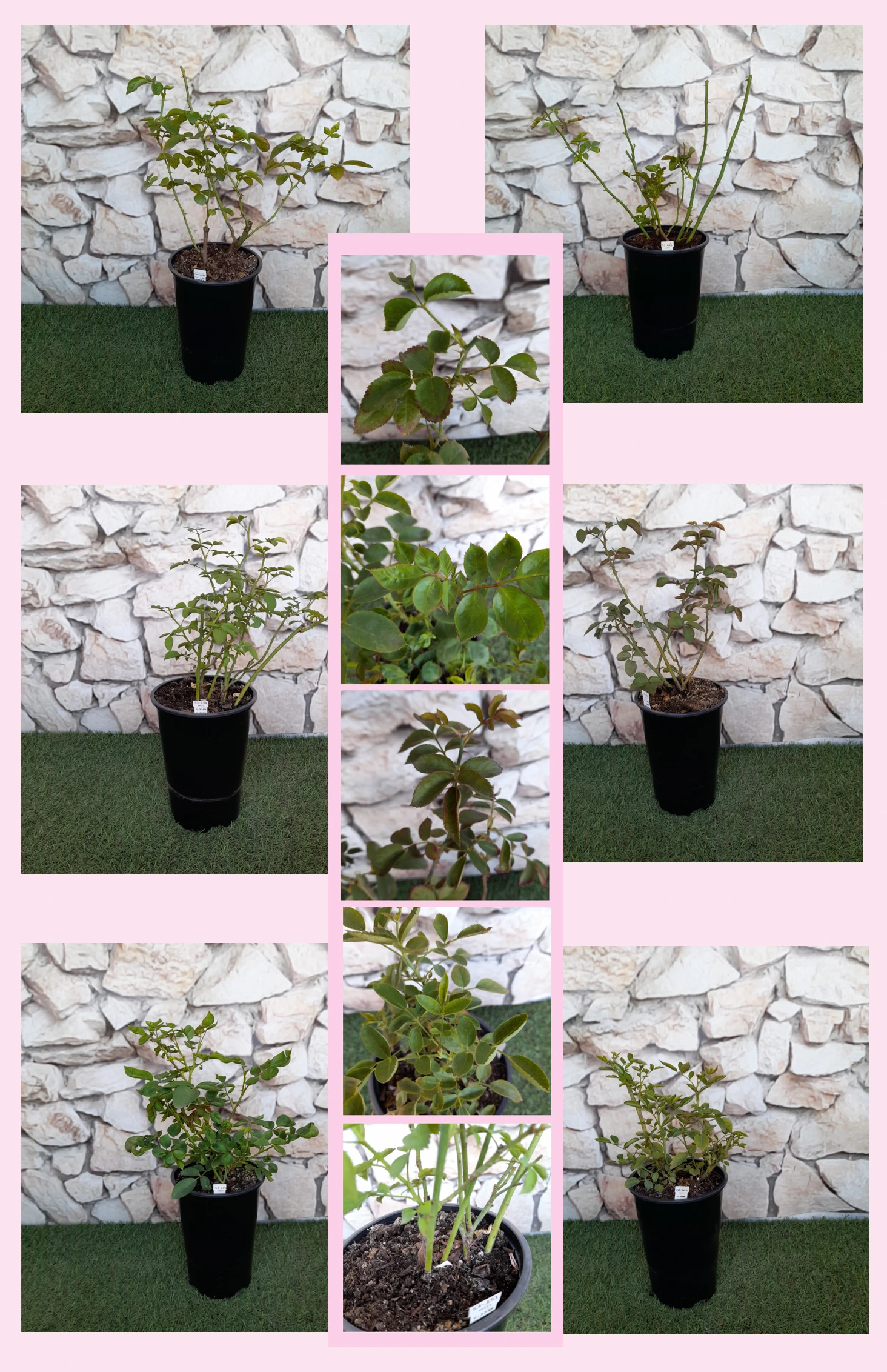
Supplied on its own roots, Celsiana builds strength steadily and can regenerate from the base if cut back hard or weather-damaged, giving a sense of permanence that suits long-term planting plans – reassuring for the patient home gardener. |
| Cut-flower corner |
The medium, cupped clusters offer strongly scented stems for the house over several weeks in early summer; harvesting some blooms encourages fresh growth while still leaving enough for garden display – attractive to the home flower arranger. |
| Coastal or breezy site shrub |
A robust, upright framework and moderate thorniness help it stand up to typical British wind and rain when soil is not waterlogged, bringing historic character to exposed plots without complex protection – suited to the coastal cottage gardener. |
Styling ideas
- Romantic-Threshold – Frame a narrow front path with two Celsiana shrubs underplanted with Mexican daisy for a soft, flower-rich welcome – ideal for terrace homeowners wanting gentle formality.
- Damask-Mixture – Combine Celsiana with compact common sage and evergreen candytuft to contrast grey-green foliage and pink blossom – for gardeners who enjoy historic roses in mixed borders.
- Perfumed-Hedge – Plant a loose hedge along a front boundary and allow bright hips to develop for autumn interest – perfect for families seeking privacy without losing charm.
- Rain-Garden – Site Celsiana near a downpipe over a gravelly, free-draining swale, flanked by nepeta and low grasses – for urban owners aiming to manage rainwater beautifully.
- Cutting-Nook – Place one specimen near the back door in a large 50‑litre container or generous bed so perfumed stems are easy to pick – suited to busy city dwellers who love indoor flowers.
Technical cultivar profile
| Parameter | Data |
|---|
| Name and registration |
Celsiana is a historical Damask rose, marketed as CELSIANA – pink historic Damask rose; recognised in shows as ‘Celsiana’ within the Historic rose collection and Dowager Queen category. |
| Origin and breeding |
A classic Rosa × damascena selection of unknown breeding, first distributed by Jacques‑Martin Cels and introduced around 1732 in the Netherlands, with exact breeding date and formal registration unrecorded. |
| Awards and recognition |
Honoured repeatedly in American Rose Society shows, earning Dowager Queen awards on nine occasions between 2000 and 2001, confirming its enduring value among historic shrub rose enthusiasts and exhibitors. |
| Growth and structural characteristics |
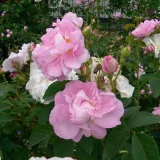
Upright shrub reaching about 135–225 cm high and 105–175 cm wide, with moderately dense, matt grey‑green foliage and moderate prickliness, forming a softly arching, informal framework suited to hedging or specimen use. |
| Flower morphology |
Semi-double, medium-sized, cupped blooms with roughly 13–25 petals, carried in clusters; flowering once in early season rather than repeating, yet producing a generous, memorable display during its main flush. |
| Colour data and phenology |
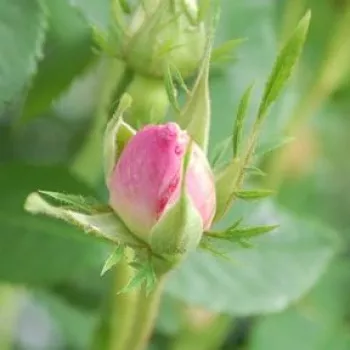
Warm mid-pink flowers with coral hints, ARS code MP, RHS 65C–65B; buds open mauve-pink then fade through pastel pink to almost white in strong sun, creating a soft, tonal effect through the flowering period. |
| Fragrance and aroma |
Exudes a very strong, sweet-spicy Damask scent, noticeable at several metres; ideal where fragrance is a priority along paths, seating areas or entrances, and valued traditionally for its rich perfume character. |
| Hip characteristics |
Produces bright red, spherical hips about 11–19 mm in diameter by autumn if spent flowers are left in place, adding seasonal interest and subtle wildlife value beyond the main summer flowering period. |
| Resistance and winter hardiness |
Hardy to approximately −32 to −29 °C (RHS H7, USDA 4b, Swedish zone 5), with moderate disease resistance to black spot, mildew and rust, and tolerates typical UK summer heat if watering is adequate in drought. |
| Horticultural recommendations |
Best in full sun with well-drained soil; plant 130–220 cm apart depending on hedge or specimen use, allowing 0.5–0.6 plants/m² in mass plantings, and provide regular watering only during establishment and prolonged dry spells. |
CELSIANA – pink historic Damask rose offers sumptuous fragrance, pollinator-friendly early-summer bloom and long-lived own-root resilience; an excellent choice if you value enduring character over fleeting novelty.