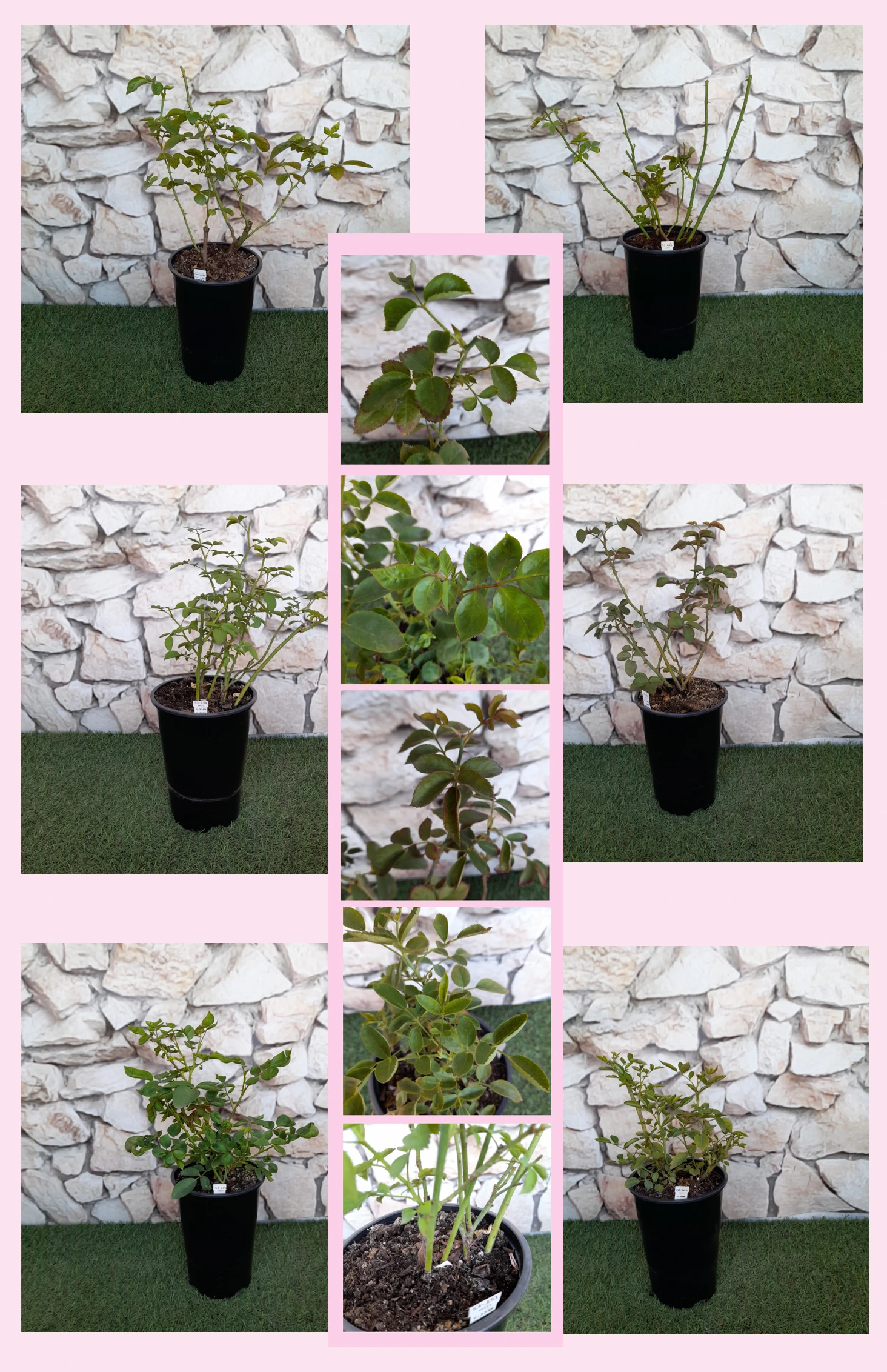
CHARLOTTE – yellow English rose - Austin
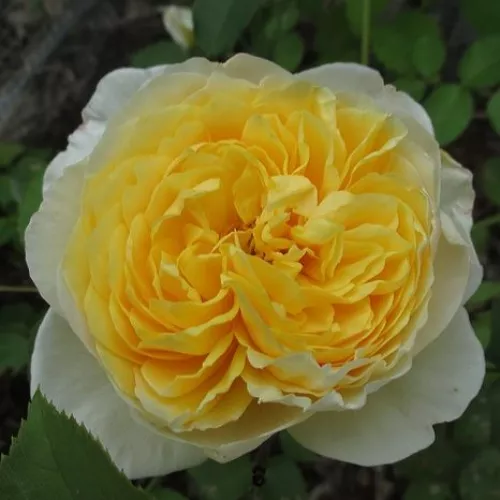
In a compact London front garden or balcony, ‘Charlotte’ creates a calm, lemon-yellow focal point that feels naturally at home in wetter, wind-prone British weather and heavier soils with improved drainage. Its medium-sized, rosette flowers open in soft, sunlit yellow, deepening gently towards the centre, and release a refined, tea-scented perfume after rain that invites you to pause. As an own-root shrub, it offers reassuring longevity, steady regrowth after harder pruning, and a reliable structure that settles comfortably into small family plots. Over time, its flowering rhythm builds from establishing roots in the first year, through stronger shoots in the second, to full ornamental presence by the third, while dense foliage and balanced height make it easy to blend into existing planting. In well-prepared soil and a peat-free mix for containers, its adaptability suits beginners who want character without complexity.
Usage options
| Target area | Reasoning |
|---|
| Small front garden feature shrub |
The bushy, upright habit and moderate final height create a neat, self-contained presence that fits typical terraced-house front gardens without overwhelming the space, giving a soft, romantic focal point for beginners. |
| Peat-free large container on balcony or patio |
Its own-root longevity and compact spread suit a 40–50 litre peat-free container, where stable structure and long-term performance justify the pot space, particularly for those urban gardeners with limited ground access in cities. |
| Mixed English-style border |
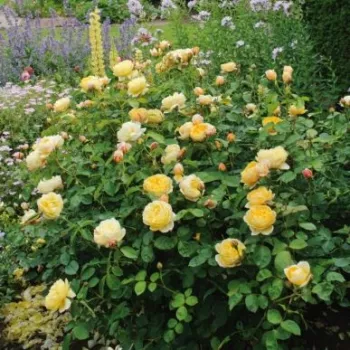
Very full, rosette blooms in warm lemon yellow add classic English Rose character, blending easily with perennials such as lavender or nepeta to provide an extended season of ornamental flowering interest for romantics. |
| Rain-aware, clay-based front garden redesign |
When combined with improved drainage and mulching, this own-root shrub offers dependable structure and long-term ornamental value in heavier soils, supporting sustainable, low-dig replanting choices for clay-gardeners. |
| Low, informal flowering hedge |
Recommended hedge spacings allow a gently interlocking line of shrubs whose rounded, upright framework and repeated lemon-yellow flushes create a soft boundary suited to family gardens and homeowners. |
| Cut-flower picking corner |
Large, very full flowers with a clearly noticeable, tea-scented fragrance lend themselves to home cutting; own-root regrowth capacity supports repeated, light harvesting for flower-lovers. |
| Partially shaded side return |
Tolerance of partial shade makes it a useful choice where walls or neighbouring buildings limit sun, with its dense foliage maintaining presence even when flowering is slightly reduced for busy-owners. |
| Long-term family garden backbone |
Hardiness to typical UK winters, own-root resilience and the ability to cope with wetter, wind-exposed conditions near houses and streets make it a stable, long-lived element in evolving family spaces for planners. |
Styling ideas
- Soft-hedge – Plant in a loose line along a small front boundary, underplant with Geranium macrorrhizum for scented groundcover and easy weed suppression – ideal for low-fuss family gardens.
- Lemon-border – Combine with lavender, catmint and silvery foliage for a cool yellow-and-blue palette that looks refined even in rain – suited to style-conscious city homeowners.
- Cottage-corner – Mix with foxgloves, sage and ornamental grasses in a sunny bed to create a relaxed English cottage feel around a seating area – perfect for weekend gardeners.
- Balcony-vignette – Grow a single plant in a 50 litre container with trailing thyme and seasonal bulbs to give changing interest in a compact footprint – made for balcony and patio dwellers.
- Entry-fragrance – Place near the front door with aromatic herbs so its tea-scented blooms greet you as you come home – appealing to scent-focused rose enthusiasts.
Technical cultivar profile
| Characteristic | Data |
|---|
| Name and registration |
Charlotte – English Rose shrub from the Romantic rose group; registered as AUSpoly, with ARS exhibition name ‘Charlotte’, supplied here as an own-root, 2-litre, container-grown garden rose. |
| Origin and breeding |
Bred by David C. H. Austin in the United Kingdom (1992), introduced and registered in 1994 by David Austin Roses Ltd.; parentage recorded as an unknown seedling crossed with ‘Graham Thomas’. |
| Awards and recognition |
Holds the Royal Horticultural Society Award of Garden Merit (2002), indicating consistent ornamental performance and recognised garden value under typical UK conditions when grown with appropriate care. |
| Growth and structural characteristics |
Bushy, upright shrub reaching about 90–130 cm in height and 80–120 cm spread, with dense, slightly glossy medium-green foliage and moderate prickliness, forming a rounded, substantial garden presence. |
| Flower morphology |
Large, very full, rosette-shaped blooms with more than 40 petals, typically carried in clusters; remontant with a generous second flush, though some spent blooms may require manual deadheading to stay tidy. |
| Colour data and phenology |
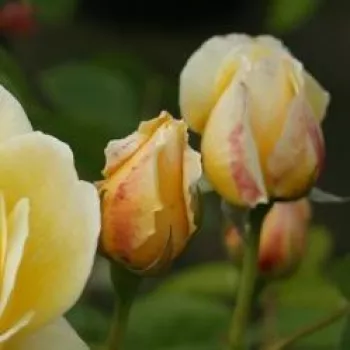
Soft, creamy lemon-yellow with a deeper golden centre; buds bright yellow, flowers lightening towards cream in strong sun and intensifying in cooler weather, giving subtle seasonal variations in tone. |
| Fragrance and aroma |
Medium-strength, clearly noticeable tea-scented fragrance with a classic English Rose character; particularly appreciable near paths or entrances where air movement carries the scent after showers. |
| Hip characteristics |
Very double flowers mean hips are sparse; when present they are small ellipsoid hips around 7–12 mm, coloured orange-red (RHS 40A), adding occasional discreet autumnal interest. |
| Resistance and winter hardiness |
Hardy to approximately −32 to −29 °C (RHS H7, Swedish zone 5, USDA 4b); susceptible to powdery mildew and prone to black spot and rust, so benefits from good hygiene, spacing and timely protection. |
| Horticultural recommendations |
Best in fertile, well-drained soil with regular feeding and irrigation in dry spells; suitable for borders, parks, hedging and cutting, with closer spacing for mass planting and more space for specimen use. |
Charlotte English Rose AUSpoly offers romantic lemon-yellow flowers, classic fragrance and a stable own-root shrub form, making it a thoughtful long-term choice for your garden.