CHEWGENTPEACH – peach-pink bedding floribunda rose – Warner
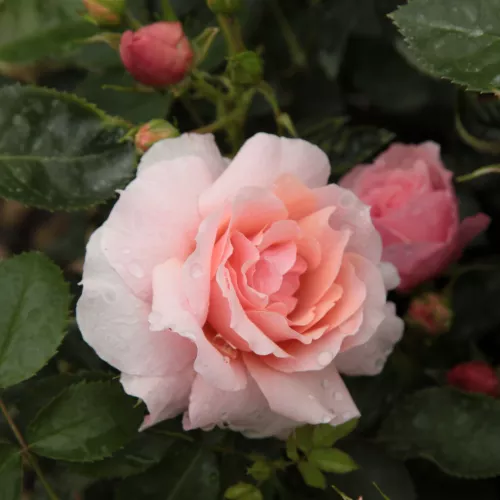
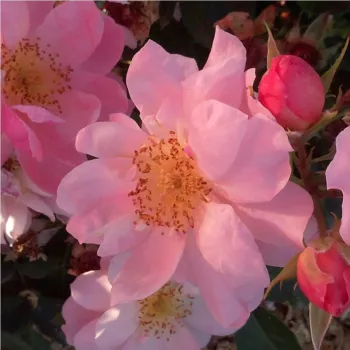
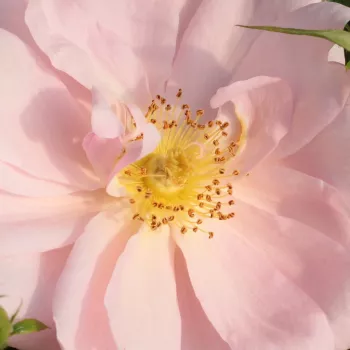
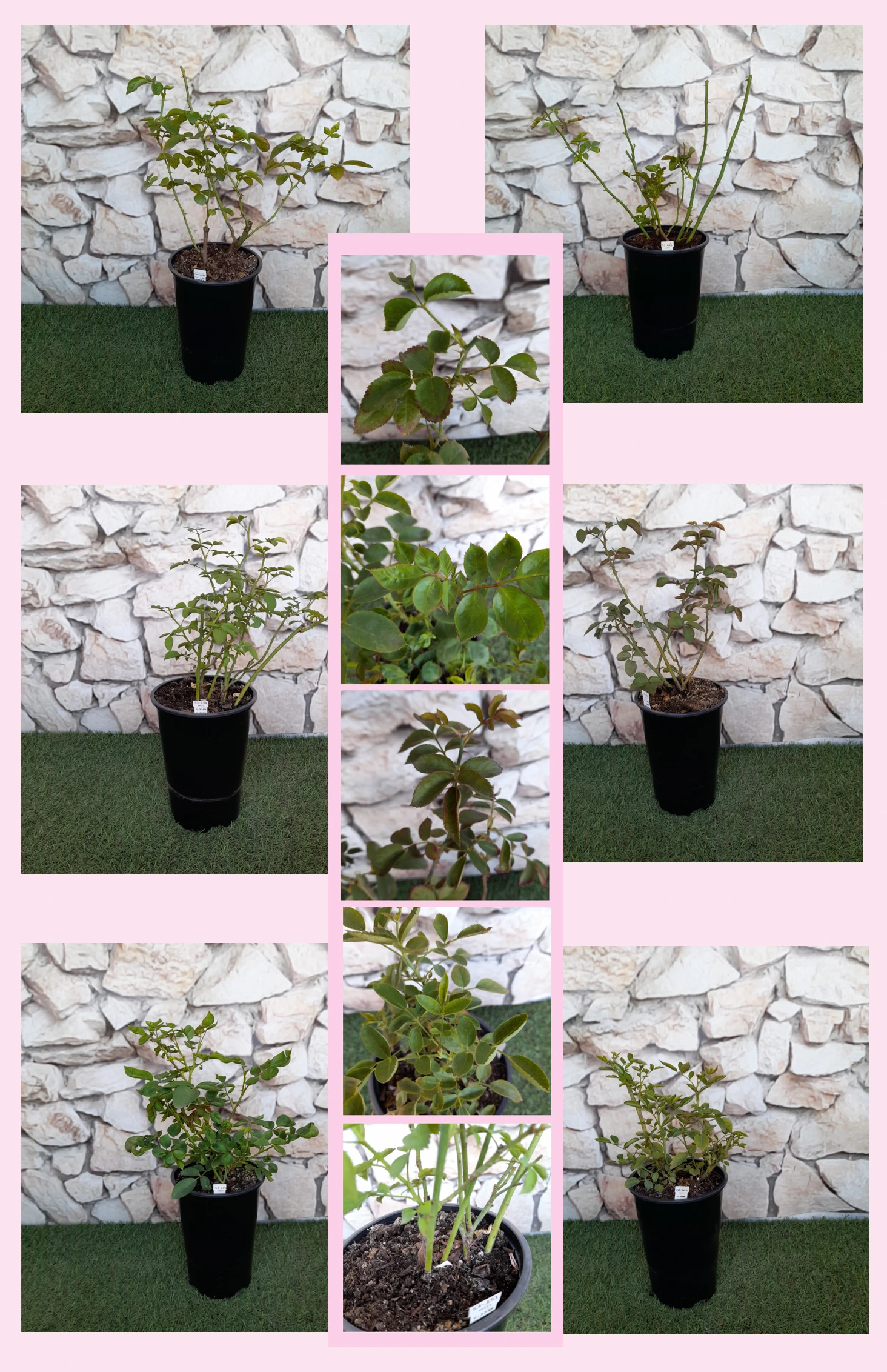
Designed for easy-care London front gardens, Chewgentpeach brings a soft, peach glow to compact spaces while coping reliably with breezy, damp weather and typical heavy soil after rain. Its semi-double blooms are gently fruity-scented, opening in generous clusters that repeat from early summer well into autumn, so you enjoy a long, relaxed season of colour with minimal fuss. On its own roots this rose is naturally resilient, building a stable framework that matures steadily without complicated pruning. The bushy, dark green foliage forms a compact backdrop for the warm-toned flowers, ideal for small beds, low hedging, or a single statement container of at least 40–50 litres. Over time the plant invests first in roots, then in strong shoots, and by the third year develops its full ornamental presence, giving you a settled, long-lived feature that fits quietly into a rainwater-conscious, sustainable city garden.
Usage options
| Target area |
Reasoning |
| Front garden bedding strip |
The bushy, medium-height habit forms a neat, low backdrop that softens railings and paving without blocking light. Reliable repeat flowering keeps a narrow front strip interesting from summer to autumn for the busy homeowner. |
| Feature container (40–50 litres) |
Its manageable size and rounded structure suit a single large pot, where the glossy foliage and pastel peach-pink blooms create a tidy focal point with modest pruning and feeding needs for the urban balcony-owner. |
| Long-season mixed border |
Abundant, cluster-flowered repeats top up colour between perennials, bridging gaps after early-flowering plants fade and extending the display well into autumn for the relaxed hobby-gardener. |
| Pollinator-friendly planting |
Semi-double flowers with exposed centres provide accessible nectar and pollen, adding gentle support to bees and hoverflies while still looking full and decorative for the eco-aware city-gardener. |
| Low maintenance family bed |
Moderate disease resistance, simple pruning needs and a self-contained shape mean only occasional attention is required, ideal where time is short but regular colour is valued by the busy family. |
| Rainwater-conscious clay or urban soil |
This rose tolerates typical compacted, moisture-retentive garden soils, especially where basic drainage is improved, making it well suited to show steady growth despite frequent rain and blustery coastal showers for the practical beginner. |
| Small flowering hedge |
Recommended spacings allow an even, low hedge that defines paths or separates drive and garden, with repeat-flowering clusters giving gentle structure without formal clipping for the design-minded gardener. |
| Long-lived, sustainable planting scheme |
As an own-root shrub it regenerates well from the base, keeping its shape and flower quality over many years, rewarding patient care as it moves from early establishment to a full, mature display for the sustainability-focused planner. |
Styling ideas
- Pastel-border – Combine Chewgentpeach with lavender and soft pink gaura for a long-flowering, low-maintenance pastel ribbon – perfect for time-poor family gardeners.
- Container-focus – Plant a single shrub in a 50-litre pot with trailing nepeta around the rim – ideal for renters or balcony owners seeking easy impact.
- Front-hedge – Space plants closely along a path and underplant with thyme for a low, scented edging – good for those wanting structure without formal topiary.
- Prairie-soft – Weave through dwarf Miscanthus and airy perennials for a relaxed, naturalistic bed – suited to gardeners who enjoy movement and subtle colour shifts.
- Pollinator-ribbon – Alternate Chewgentpeach with blue sage and catmint to create a bee-friendly strip – appealing to eco-conscious urban homeowners.
Technical cultivar profile
| Property |
Data |
| Name and registration |
Floribunda bed rose registered as Chewgentpeach, sold as CHEWGENTPEACH – peach-pink bedding floribunda rose – Warner; shrub rose type suited to flowerbeds, borders and feature containers. |
| Origin and breeding |
Bred in the United Kingdom in 2015 by Christopher Hugh Warner for Warner’s Roses; parentage not recorded, selected for garden performance and attractive peach-pink cluster flowering. |
| Growth and structural characteristics |
Bushy, medium-height shrub reaching about 90–130 cm tall and 75–105 cm wide, with dense, glossy dark green foliage and moderate prickles, forming a rounded, well-filled plant structure. |
| Flower morphology |
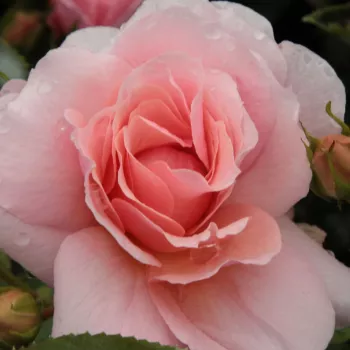
Semi-double, cup-shaped blooms with 13–25 petals, medium size and borne in clusters; remontant habit with abundant second flush, providing repeated flowering phases across the season. |
| Colour data and phenology |
Warm peach-pink flowers, ARS code ab, RHS 28C outer and 36C inner; buds open rich peach-orange then fade through pastel peach to creamy, almost cream-edged tones as blooms age. |
| Fragrance and aroma |
Mild, fresh, fruity fragrance that sits gently in the background rather than dominating; suitable for paths and seating areas where a subtle, modern scent profile is preferred. |
| Hip characteristics |
Moderately abundant, spherical orange-red hips 8–12 mm in diameter, adding late-season colour and interest after flowering, and offering some wildlife value into autumn and early winter. |
| Resistance and winter hardiness |
Medium resistance to black spot, powdery mildew and rust; hardy to about −26 to −23 °C (RHS H7, USDA 5b, Swedish Zon 4), with regular watering advised during prolonged dry spells. |
| Horticultural recommendations |
Best in sunny positions; recommended spacings: 65 cm for mass planting, 55 cm for hedges, 100 cm as specimen; suitable for beds, borders and large containers in the 40–50 litre range or larger. |
CHEWGENTPEACH – peach-pink bedding floribunda rose offers long-season cluster flowering, compact structure and durable own-root vigour, making it a thoughtful choice if you would like an easy, settled focal point in your garden.