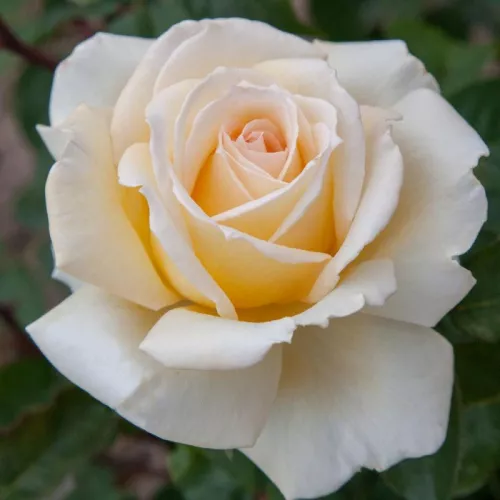
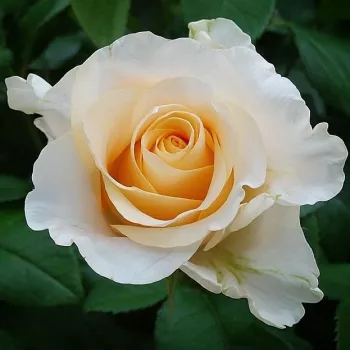
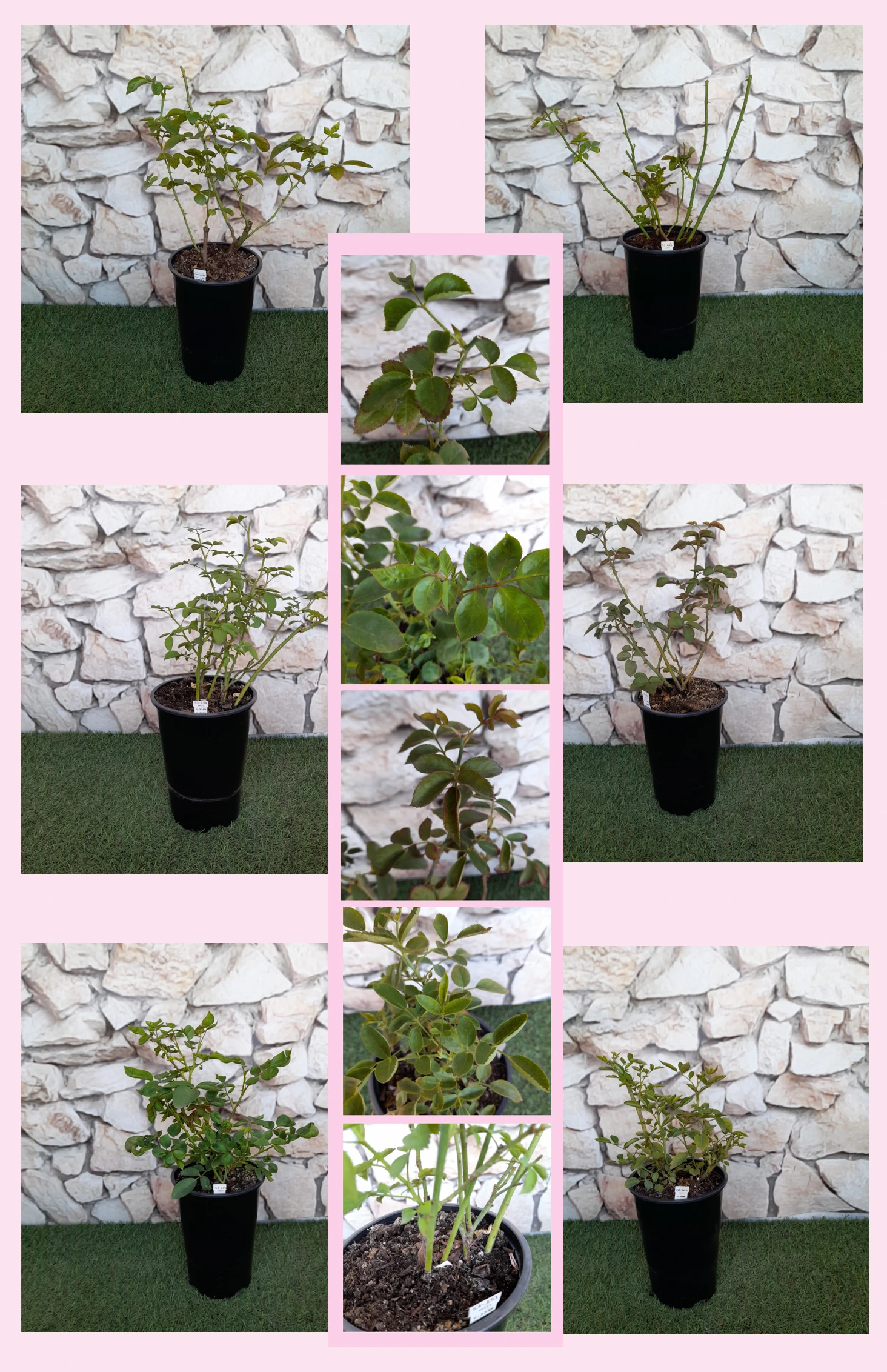
CHRISTOPHE DECHAVANNE ® – cream-coloured hybrid tea rose
Step out after rain and meet balance in bloom: CHRISTOPHE DECHAVANNE ® brings long, upright stems topped with XL, high‑centred flowers in a soft cream‑and‑peach palette, ideal for cutting as well as front‑garden display. Bred for a bushy, medium‑sized habit, it slips easily into small London terraces and urban plots, coping reliably with typical British showers and damp spells in heavy soils and cool summers. The strong, fruity fragrance lingers along narrow paths and around front doors, while the own‑root form slowly builds a resilient framework for a long garden lifespan. In a peat‑free mix and a well‑drained spot, the bush forms steady, medium‑maintenance growth that responds well to simple pruning, rewarding you with repeat flushes into late autumn. In larger containers – ideally 40–50 litres or more – it settles in securely, making it easy to manage from doorstep to border for busy urban gardeners.
Usage options
| Target area |
Reasoning |
| Front garden specimen by the path |
Planted as a single bush near your front door, its bushy hybrid tea form and XL, exhibition‑style blooms create a clear focal point without overwhelming a narrow London terrace. Medium maintenance suits time‑pressed homeowners. |
| Small cut-flower corner |
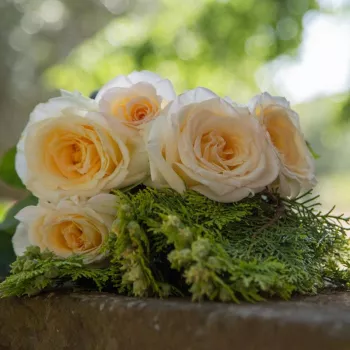
Long, straight stems with high‑centred, double flowers give classic florist‑style roses for the house, while the plant stays compact enough for a modest family garden bed. Strong, fruity scent enhances vases for hobby-gardeners. |
| Peat-free container on balcony or patio |
In a 40–50 litre or larger pot with peat‑free compost and good drainage, its dense foliage and upright habit make a tidy, elegant feature that is easy to water with collected rain for sustainably minded city-dwellers. |
| Mixed cream-and-pastel border |
The soft cream with a peachy glow blends smoothly with lavender, sage or nepeta, giving a gentle, “girly” look that stays stylish rather than fussy, ideal for relaxed yet refined beginners. |
| Rain-aware, clay-based family garden |
On improved heavy clay with added grit or compost, the strong root system anchors the bush securely so it copes well with showery, cool summers and typical British damp spells, supporting low-fuss families. |
| Gradual, long-term feature rose |
As an own‑root rose it builds from root strength first, then top growth, giving a stable, long‑lived shrub that responds well to light renewal pruning and recovers more readily from winter damage for patient garden-owners. |
| Lightly shaded side return |
Suitable for partial shade, it still produces well‑formed blooms and strong scent in a side return or east‑facing strip, so you can use awkward, narrow spaces effectively as calm walk‑through areas for urban residents. |
| Low, scented hedge or edging |
Planted at hedge spacing, its bushy habit and moderate height form a neat, fragrant edging that defines paths or driveways without blocking views, suiting compact, rainwater‑conscious front gardens for sustainability‑focused owners. |
Styling ideas
- DoorwayWelcome – Position two plants in large, matching containers either side of a front door, underplanted with trailing ivy for year-round structure – ideal for image-conscious terrace homeowners.
- SoftBorder – Combine with lavender and nepeta in a slim bed to create a hazy cream-and-lilac ribbon along a path – perfect for relaxed family gardens.
- CuttingNook – Reserve a sunny square metre for three bushes, giving a regular supply of long-stemmed blooms for the house – suited to home floristry enthusiasts.
- RainGarden – Plant above a discreet gravel-filled soakaway, with sage and ornamental grasses to catch and filter roof run-off – attractive for sustainability-minded urban gardeners.
- PastelCourtyard – Use one specimen in a large pot with pale paving and soft grey furniture, adding candles to enjoy the evening fragrance – appealing to busy professionals seeking easy ambience.
Technical cultivar profile
| Parameter |
Data |
| Name and registration |
Hybrid tea rose, registered as MEIbarbaru; traded as Christophe Dechavanne ® Perfumella® MEIbarbaru. Belongs to the Perfumella® collection and classed as a hybrid tea cut and exhibition rose. |
| Origin and breeding |
Bred by Michèle Meilland-Richardier at Meilland International, France, around 2012; introduced and registered in 2014 by Meilland Richardier, with parentage recorded as unknown. |
| Growth and structural characteristics |
Bushy, upright shrub reaching about 80–120 cm high and 40–65 cm wide, with dense, mid-green, slightly glossy foliage and moderate prickliness; suited to beds, low hedging and specimen roles. |
| Flower morphology |
Large, double, high‑centred hybrid tea blooms with 26–39 petals, usually borne singly on stems; cut‑rose style form, remontant with generous repeat flowering after the main flush in suitable conditions. |
| Colour data and phenology |
Soft cream flowers with a delicate peach tone; buds show pale cream with peach tint, then open vanilla‑yellow inside, paling to cream‑ivory overall as they age, giving a gentle honey‑peach effect before fading. |
| Fragrance and aroma |
Rich, fruity perfume of strong intensity, noticeable both in the garden and in the vase; fragrance is long‑lasting on the blooms, making it particularly valuable for scented cutting and evening enjoyment. |
| Hip characteristics |
Hip set is generally low due to the full double form; where formed, hips are small, spherical, about 8–12 mm diameter, coloured red and of minor ornamental interest compared with the repeat flowering display. |
| Resistance and winter hardiness |
Rated to approximately –21 to –18 °C (RHS H7, Swedish zone 3, USDA 6b); disease resistance is moderate, with occasional powdery mildew, black spot or rust, so basic, timely protection may be required. |
| Horticultural recommendations |
Best in fertile, well‑drained soil with regular feeding; spacing 30–55 cm depending on use. Medium maintenance: deadhead, prune annually, and monitor diseases; performs in sun or light partial shade. |
CHRISTOPHE DECHAVANNE ® offers XL scented cream blooms, compact structure and reliable repeat flowering on a durable own-root plant, making it a thoughtful choice if you favour steady beauty with manageable care.