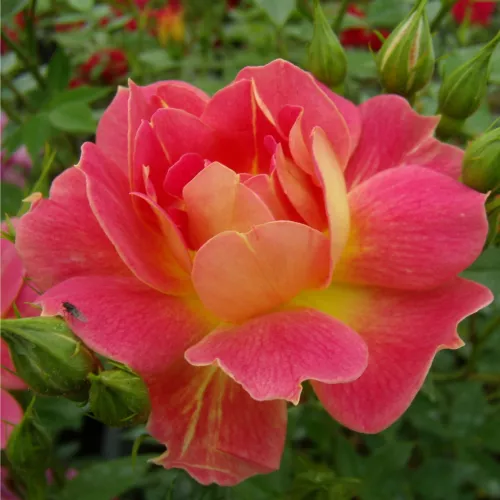
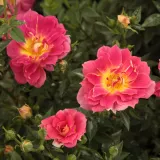
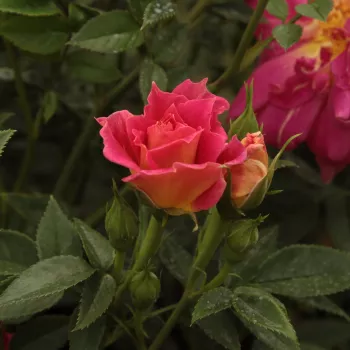
CLEOPÁTRA™ – red-yellow dwarf mini rose
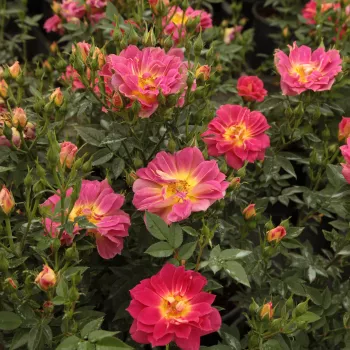
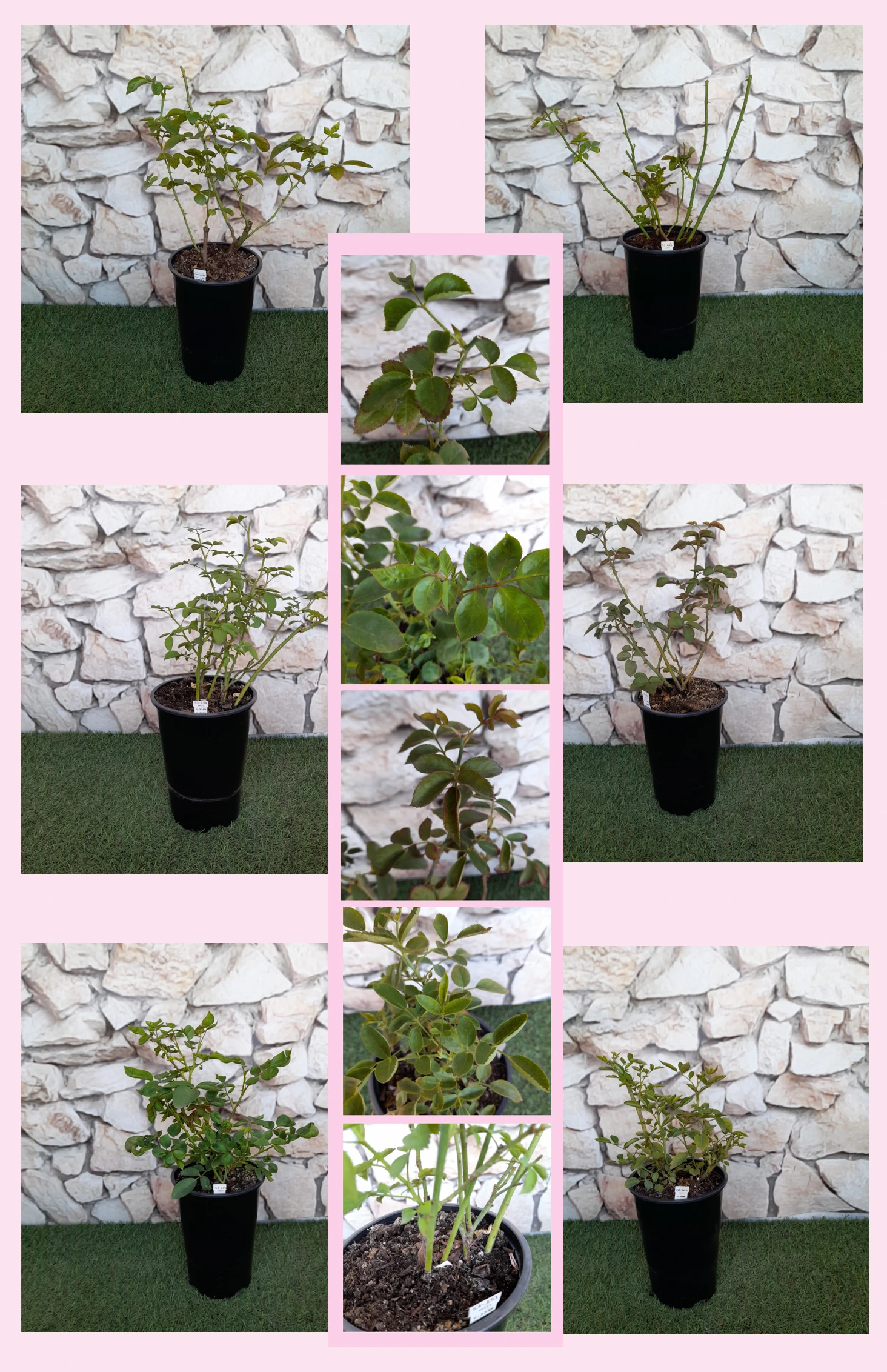
With its compact habit and glowing red-yellow blooms, CLEOPÁTRA™ brings colourful balance to small front gardens, balconies and terraces while coping well with blustery, wet British weather and challenging soils with improved drainage. This tidy miniature rose is bred for longevity: an own-root plant that weaves itself into your garden gradually, with roots establishing in the first year, stronger shoots and branching in the second, and full ornamental value by the third. Its petite size and steady flowering make it ideal for low-maintenance edging or containers where children and guests can enjoy its subtle, fruity fragrance at close quarters. Dense, glossy foliage and reliable disease resistance mean far less spraying and pruning, while the neat rounded form sits beautifully among sustainable, rainwater-fed plantings in even the smallest city plot, offering reassuring simplicity for time-pressed gardeners and a quietly charming presence all season.
Usage options
| Target area | Reasoning |
|---|
| London terraced-house front garden edging |
The compact, bushy habit and modest 30–40 cm height create a precise low line along paths or railings without blocking light or views, giving a structured look that stays in scale with narrow front gardens and modest plots, particularly for the urban beginner. |
| Rainwater-friendly container by the doorstep |
Its dwarf size suits deep, stable planters; pair with a 40–50 litre peat-free container and rainwater from a butt for even moisture, protecting roots and giving you a bright welcome home with minimal fuss, especially appreciated by the busy homeowner. |
| Low-care family garden border |
Good overall disease resistance and low maintenance needs mean less spraying and fewer complicated pruning tasks, so the rose keeps its neat shape and healthy leaves with only light seasonal attention, perfect for the time-poor gardener. |
| Colour accent in small sustainable planting schemes |
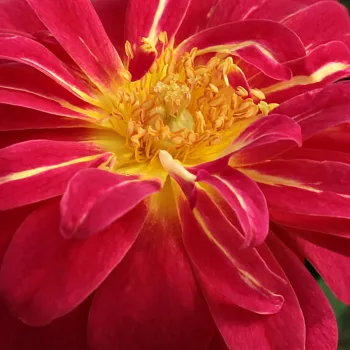
The vivid red and creamy yellow bicolour flowers read clearly even at a distance, adding a cheerful focal point among greens, grasses and perennials without overwhelming the space, which suits the design-conscious owner. |
| Year-round structure in a tiny front garden |
Its dense foliage and naturally rounded form anchor gravel, brick or planting pockets, giving lasting structure in a small footprint so the space looks intentional and cared for through the seasons, reassuring the first-time gardener. |
| Long-lived feature in a favourite pot |
As an own-root rose, CLEOPÁTRA™ regrows reliably from its base after pruning or weather damage, avoiding graft failure and supporting many years of stable shape and flowering in a cherished container, rewarding the committed owner. |
| Family terrace or balcony seating area |
The mild, delicately fruity scent and small, double blooms are best appreciated up close, so placing it near seating brings gentle fragrance and colour without overpowering the space, delighting the relaxation seeker. |
| Coastal or exposed urban front garden |
Compact growth and resilient foliage help it cope with wind and frequent showers typical of exposed or coastal sites, offering reliable colour where other plants may struggle, encouraging the climate-aware gardener. |
Styling ideas
- Ribbon-Edge – Plant a single, low ribbon along a front path, underplanting with creeping thyme to soften the paving – ideal for neat, understated city frontage.
- Balcony-Jewel – Use one rose in a 40–50 litre pot with trailing ivy and white bacopa to frame a small bistro set – suited to flat-dwellers wanting easy charm.
- Mini-Mosaic – Combine with dwarf lavender and nepeta in a gravelled strip for scented, low-care edging – perfect for those favouring drought-aware, peat-free planting.
- Dollhouse-Border – Mix CLEOPÁTRA™ with compact phlox and a fine grass in a narrow bed for a playful, “girly” colour story – appealing to families sharing the garden with children.
- Terrace-Focus – Place two matching containers either side of steps, underplanted with silver sage, for balanced symmetry – ideal for homeowners seeking simple front-door impact.
Technical cultivar profile
| Property | Data |
|---|
| Name and registration |
Miniature, dwarf rose marketed as CLEOPÁTRA™ – red-yellow dwarf mini rose; a miniature group cultivar selected for compact habit and fine container performance in smaller gardens. |
| Origin and breeding |
Discovered and selected by pharmaROSA®, with parentage unknown; introduced commercially by PharmaRosa® Ltd. in 1994 after registration in 1993 for reliable garden use. |
| Growth and structural characteristics |
Compact, bushy shrub around 30–40 cm high and 25–35 cm wide, with dense dark green glossy foliage and moderate prickles, forming a neat, rounded mound suited to edges and pots. |
| Flower morphology |
Small, double, cup-shaped blooms, generally 0.5–1.5 inches across, borne in clusters; 26–39 petals give a full effect, repeating through the season with an abundant second flush. |
| Colour data and phenology |
Vivid crimson-red inner petal surfaces contrast with creamy yellow outer reverses; colours fade only slightly, maintaining a clear bicolour effect from bud through full bloom to ageing. |
| Fragrance and aroma |
Mild, delicately fruity scent noticeable at close range; primarily ornamental rather than strongly perfumed, best enjoyed where people pass by or sit within arm’s length of the plant. |
| Hip characteristics |
Occasional small ellipsoid hips, about 5–7 mm, orange-red at maturity; decorative but not produced in large numbers, adding a discreet seasonal accent late in the year. |
| Resistance and winter hardiness |
Rated resistant to powdery mildew, black spot and rust; hardy to around −21 to −18 °C (RHS H7, USDA 6b), coping well with typical UK winters in containers and open ground. |
| Horticultural recommendations |
Suited to beds, edging and containers; plant 25–45 cm apart, in sun or partial shade, in well-drained soil; keep containers watered in dry spells and feed moderately for repeat bloom. |
CLEOPÁTRA™ offers compact structure, vivid bicolour flowers and dependable disease resistance in a long-lived own-root form, making it a thoughtful, low-effort choice for your next container or front-garden planting.