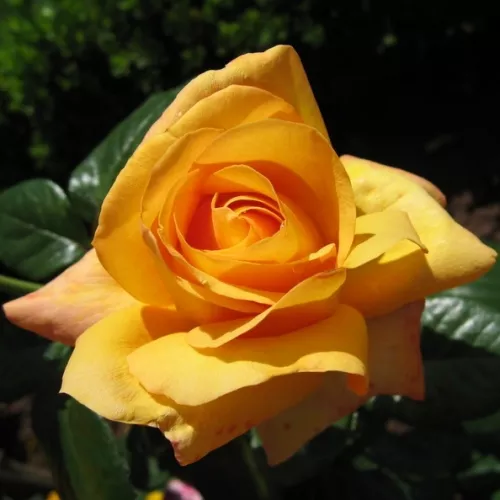
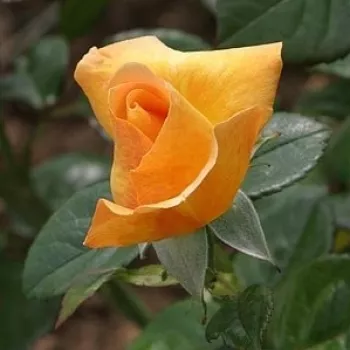
CORONATION GOLD – apricot‑yellow bedding floribunda rose - Cocker
Imagine returning home along a rain-darkened terrace path, brushed by clusters of golden flowers that keep shining through unsettled British weather and cool summers, naturally suited to damp, breezy plots where drainage matters as much as design. CORONATION GOLD offers reliable, season-long colour in a compact, bushy shrub that slips easily into small front gardens and narrow beds without overwhelming the space. Its light, fruity fragrance is gentle enough for doorstep seating areas, while the upright, structured habit lends a smart, orderly feel that works beautifully beside railings, paving or low hedging. As an own-root rose it builds strength gradually, rewarding patience with a stable, long-lived presence that bounces back well after pruning or harsh winters. Ideal for busy city gardeners, it needs little more than decent soil preparation, a mulch and occasional pruning to maintain its health, providing many years of ornamental reliability with minimal fuss. In its first year it focuses on roots, its second on fuller shoots, and by the third you enjoy its complete display, a sustainable, low-input highlight for your everyday view.
Usage options
| Target area | Reasoning |
|---|
| London terraced-house front border |
Compact height and upright bushy growth make CORONATION GOLD ideal for the narrow beds typical of terraced streets, giving tidy structure, repeat flowering and a long-lived, own-root presence for busy urban gardeners. |
| Small family flower bed |
Reliable remontant flowering provides months of warm apricot-yellow colour without complex care; low maintenance and good disease resistance suit family gardens where time is limited for hobby gardeners. |
| Low, formal edging or low hedge |
Regular spacing at 25–30 cm creates a neat, low hedge with glossy dark foliage and repeated clusters of blooms, giving a structured, long-term frame to paths or lawns for homeowners. |
| Rainwater-conscious front garden |
Performs well in the cool, damp conditions and heavy UK soils often found in small urban plots, fitting naturally into planting schemes designed for good drainage and rainwater management for sustainability-minded gardeners. |
| Cut flowers from a compact shrub |
Medium, double, cup-shaped blooms on upright stems offer charming stems for the house; regular cutting encourages fresh flowering and extends enjoyment beyond the garden for flower lovers. |
| Mixed “girly” pastel planting |
The soft golden-peach tones blend beautifully with pinks, mauves and creams, creating a romantic, feminine palette alongside catmint, sage or lavender that remains refined for style-conscious gardeners. |
| Own-root, long-term planting scheme |
The own-root form establishes steadily, gaining strength year on year and regenerating well after hard pruning or winter damage, supporting long-lived, dependable borders for long-term planners. |
| Container on a balcony or paved front |
In a 40–50 litre peat-free container with regular watering and feeding, its upright habit and modest size give generous flowering where soil is limited, turning hardstanding into a small retreat for balcony and patio owners. |
Styling ideas
- Pastel-Frontage – Pair with lavender and soft-pink geraniums in a narrow street-side border to frame the doorway with a gentle, feminine colour wash – ideal for city terrace owners.
- Golden-Ribbon – Plant in a single or double row along a garden path, underplanted with low-growing nepeta for a softly glowing edging – suited to families wanting tidy structure with low effort.
- Cream-Companion – Combine with peach‑leaved bellflower and fragrant cranesbill for a light, shimmering summer scheme – for gardeners who favour informal, cottage-style planting.
- Balcony-Focus – Grow one specimen in a 50 litre container with airy grasses for movement and a single, elegant focal point – perfect for renters or flat dwellers with limited space.
- Cutting-Corner – Group three to five plants in a sunny corner bed so you can cut regular stems without spoiling the display – for those who enjoy bringing homegrown flowers indoors.
Technical cultivar profile
| Feature | Data |
|---|
| Name and registration |
Floribunda bedding rose, shrub habit; current trade name CORONATION GOLD, commemorating the golden jubilee of the British Queen’s coronation; ARS exhibition name CORONATION GOLD. |
| Origin and breeding |
Bred by Anne Gowens Cocker, James Cocker & Sons Ltd, Aberdeen; complex parentage including ‘Sabine’, ‘Circus’, ‘Anne Cocker’ and ‘Arthur Bell’; bred 1978, introduced 1981. |
| Growth and structural characteristics |
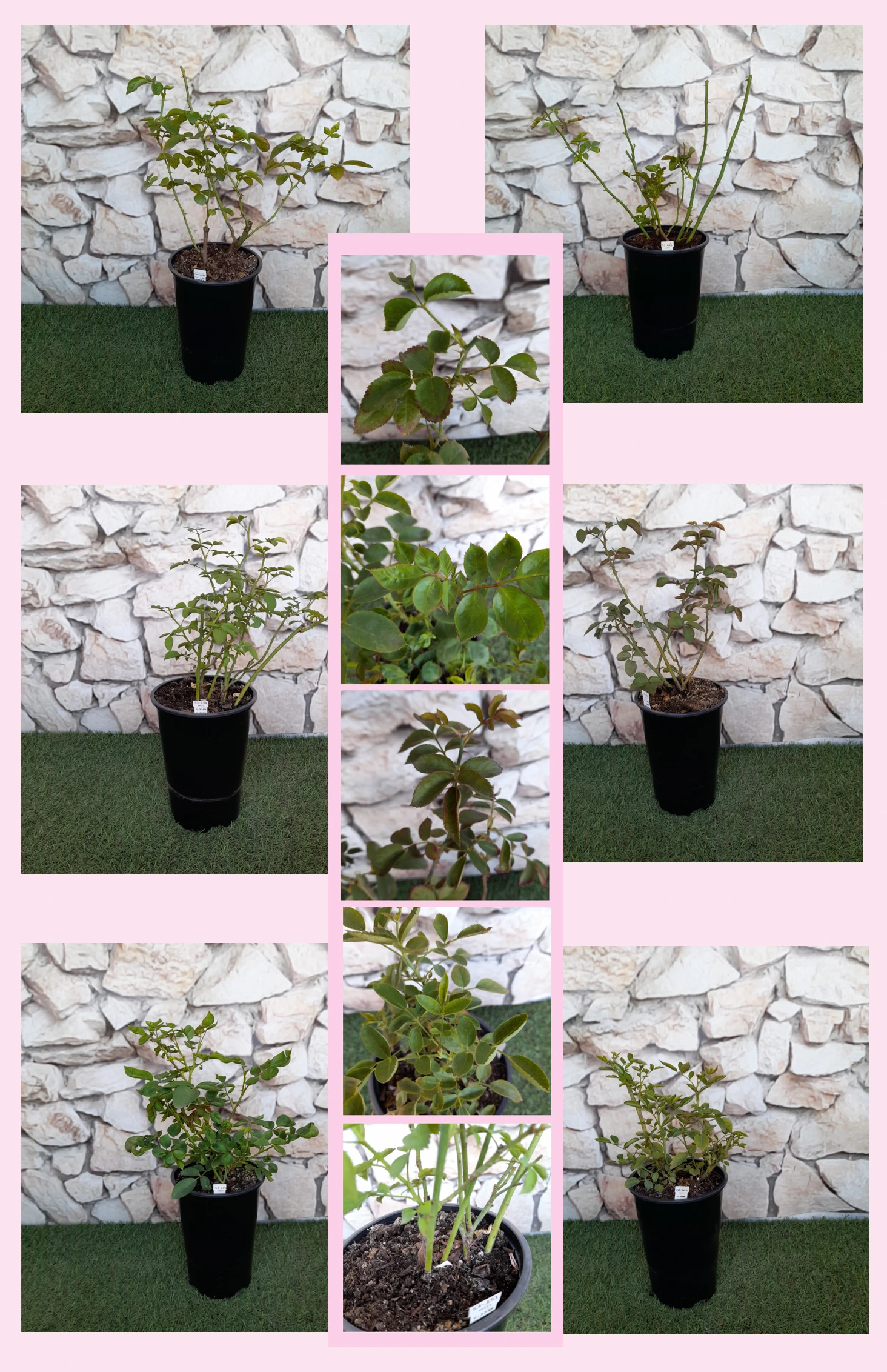
Bushy, upright shrub reaching about 70–95 cm tall and 35–55 cm wide; moderately dense, glossy dark green foliage; moderately thorny stems suit bed, hedge or specimen use. |
| Flower morphology |
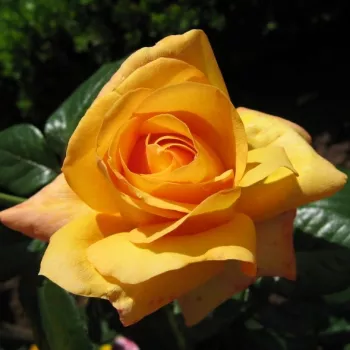
Medium-sized, double, cup-shaped flowers with around 26–39 petals; produced in clusters on branching stems; remontant with a plentiful second flush in suitable conditions. |
| Colour data and phenology |
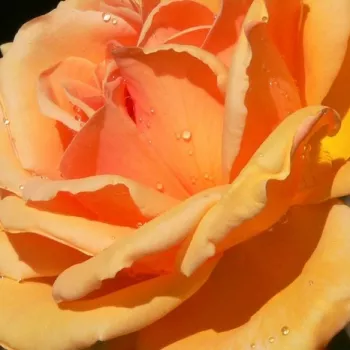
Rich golden-yellow to apricot-peach tones; buds open deep golden, fading to paler cream–peach outer petals while the inner zone remains warm yellow; colour retention moderate over time. |
| Fragrance and aroma |
Light, subtle fragrance with a gentle fruity character; sufficient for close-up enjoyment near seating or doors without overpowering; primarily valued for visual impact rather than scent. |
| Hip characteristics |
Produces moderate numbers of ellipsoid hips, about 8–12 mm in diameter, ripening to an attractive orange-red that adds seasonal interest and modest wildlife value in late season. |
| Resistance and winter hardiness |
Good general disease resistance, with resistance noted to powdery mildew, black spot and rust; hardy to approximately −21 to −18 °C (RHS H7, USDA 6b, Swedish zone 3) under typical care. |
| Horticultural recommendations |
Best in full sun with well-prepared soil; low maintenance and suited to mass planting at 25–30 cm spacing; prefers regular watering in prolonged drought and benefits from annual mulching. |
CORONATION GOLD offers compact, repeat flowering, warm apricot-yellow colour on a resilient, disease-resistant, own-root shrub that settles in for many reliable seasons, making it a thoughtful choice for long-term, low-effort planting.