Historic Rose

52-394-1
52-394-2

Dainty Bess

Heritage rose

- – William Edward Basil Archer

Soft, silky light-pink shade with a delicate silvery tone. - historic, tea rose - medium-strength, clearly scented rose - tea-scented, spicy

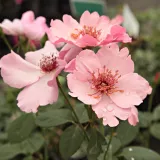
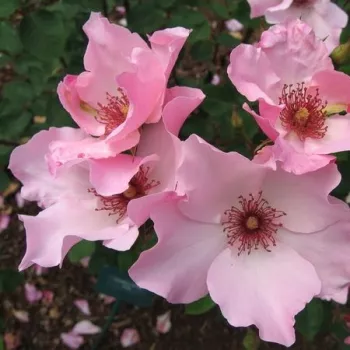
– Graceful single blooms in soft silvery pink.
– Reliable repeat flowering with generous second flush.
– Medium-height, upright shrub for borders or specimens.
– Medium, tea‑spicy fragrance with clear character.
– Good hardiness and resistance to key leaf diseases.
Special feature: Historic 1920s Hybrid Tea, still prized on show benches for its elegant simplicity and striking dark stamens.
Responsible gardening – Consistent quality
Dainty Bess
eleanorROSE® ORIGINAL 2-litre own-root potted rose
21,20 £
Unfortunately, we are currently unable to ship to the United Kingdom; we only deliver to countries within the European Union. For more information, please contact us!
5 (7365)
facebook   twitter

Dainty Bess – pink historic tea rose – Archer

With its open, silky blooms and visible stamens, Dainty Bess brings a gently nostalgic yet thoroughly practical presence to compact front gardens and town plots, combining pollinators, fragrance, heritage charm and modern reliability. This historic hybrid tea offers soft, light‑pink, single flowers over a long season, attracting bees while giving you beautifully scented stems for the vase with minimal fuss. Own‑root growth supports long lifespan and steady regeneration, so the plant settles in and matures rather than needing frequent replacement, ideal where you rely on rain‑fed beds coping with cool summers and persistent humidity. Plant once, then watch it develop from strong roots in the first year, more confident shoots in the second, and full ornamental value by the third, creating a stable, easy‑care structure in your border. Its moderate disease resistance supports lower‑input gardening, while its graceful height and upright habit make it a natural feature in tight urban spaces and clay‑based London terraces that favour dependable, sustainable planting.


Usage options

Target areaReasoning
Pollinator-friendly front garden The single, open flowers with clearly exposed stamens provide easy access to nectar and pollen, so bees and other beneficial insects can work efficiently across the season, supporting a more alive, buzzing garden for the environmentally minded beginner
Scented cutting patch Long-stemmed, exhibition-type blooms with a distinct tea‑spice perfume make this rose perfectly suited to home cutting, giving you elegant, lightly ruffled stems that last well in a vase without needing specialist florist skills for the thoughtful homeowner
Heritage focal point in small borders A classic 1920s hybrid tea with refined, simple flowers and dark foliage, it works beautifully as a single statement plant in modest‑sized beds, adding period character without overpowering the space for design-conscious urban gardeners
Reliable long-season colour The remontant habit delivers a bountiful second flush, so after the first wave of flowers you can look forward to weeks of renewed pink blooms, keeping small gardens colourful even when space only allows for a few key plants for time-pressed urban residents
Lower-input, sustainable planting Moderate resistance to black spot and powdery mildew supports simpler care with fewer chemical interventions, particularly useful where you prefer to water with collected rain and rely on resilient plants rather than intensive spraying for eco-aware families
Long-lived own-root investment As an own-root rose, it does not depend on grafts that can fail; instead, it forms a stable framework that can regenerate from its own base, giving you a durable, long-term feature with less risk of decline or replanting for cautious new gardeners
Upright structure in narrow beds The medium-tall, upright habit and moderate spread mean it fits neatly into slim front borders or between paths and drives, offering vertical interest and flowers at eye level without swamping neighbouring plants in compact family gardens
Rain‑friendly urban rose border Suited to typical UK conditions where cool summers and frequent showers favour healthy foliage, it partners well with free‑draining soil preparation to manage heavy rain and improve drainage on heavier ground for sustainability‑minded city owners

Styling ideas

  • Terrace‑border elegance – Place Dainty Bess as a centrepiece in a slim London front border, underplant with lavender and low nepeta to echo its pink tones and fragrance – ideal for style-conscious terrace owners
  • Rain‑garden pastel drift – Combine with soft grasses and pale campanulas in a slightly raised, free‑draining bed that copes well with downpours yet stays airy – for gardeners managing heavy rain on small plots
  • Heritage cutting corner – Group two or three plants with sage and white gaura to create a steady supply of scented stems and airy fillers – perfect for home florists wanting easy, long‑season flowers
  • Pollinator ribbon – Thread along a sunny front fence with verbena and nepeta so bees can forage continuously from pavement edge to doorstep – suited to wildlife‑minded households on busy streets
  • Container statement – Grow one plant in a 40–50 litre pot with gritty, peat‑free compost and trailing thyme, placing it by the front door for scent and structure – for balcony and courtyard dwellers

Technical cultivar profile
ParameterData
Name and registration Hybrid tea heritage rose, registered and traded as ‘Dainty Bess’; historic exhibition variety with simple blooms, widely known in collections and specialist rose gardens.
Origin and breeding Bred by William E. B. Archer, United Kingdom, from ‘Ophelia’ × ‘Kitchener of Khartoum’; introduced 1927 via Hazlewood Bros. in Australia, now valued as a classic historic garden rose.
Awards and recognition Recognised by Royal National Rose Society Show and Trials certificates in multiple years between 1930 and 1953, confirming its enduring exhibition and garden value among enthusiasts.
Growth and structural characteristics Upright, medium-tall shrub reaching about 100–140 cm with 80–110 cm spread; moderately thorny shoots and dark green foliage of medium density, forming a refined yet substantial garden presence.
Flower morphology Single to semi-double hybrid tea blooms, usually 5–12 petals, large flat flowers borne mostly singly on stems; remontant with a good second flush providing extended seasonal display.
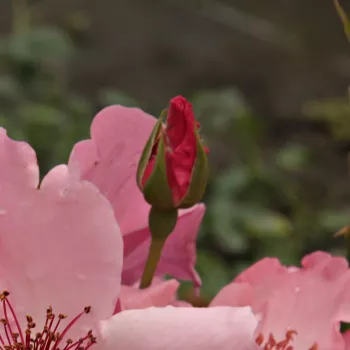
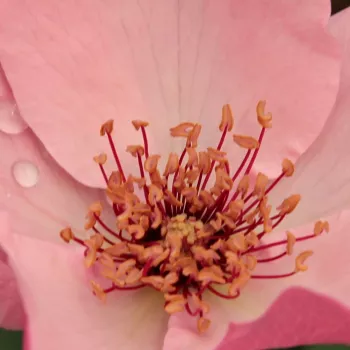
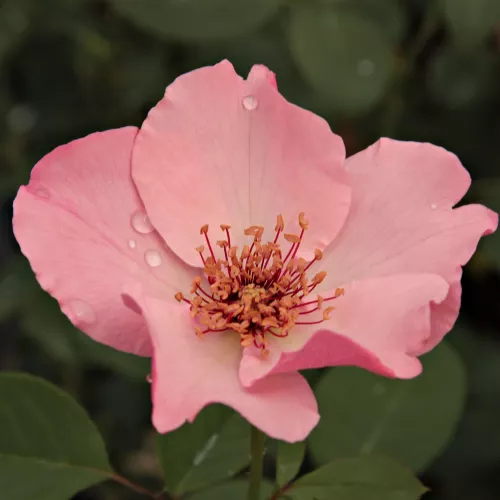
Colour data and phenology Soft light pink with silvery tones; buds open pale silvery‑pink, then fade to translucent very pale pink with a delicate shimmer; deep burgundy stamens give striking contrast in fully open blooms.
Fragrance and aroma Noticeable, medium-strength perfume with a classic tea-rose character and gentle spicy notes; scent is appreciable in the garden and on cut stems, adding sensory depth to planting schemes.
Hip characteristics Moderate set of small, ellipsoid hips, around 10–14 mm, orange-red by late season; add a light decorative effect and incidental wildlife interest without overwhelming the plant’s overall appearance.
Resistance and winter hardiness Rated to approximately −26 to −23 °C (RHS H7, USDA 5b); good resistance to black spot and powdery mildew, moderate susceptibility to rust, generally reliable in typical UK conditions with standard care.
Horticultural recommendations Best in sunny positions with well-prepared, free‑draining soil; suitable for borders, specimens and cutting. Space 80–150 cm depending on use and allow medium maintenance with occasional plant protection.

Dainty Bess offers pollinator-friendly, long-season flowers with classic fragrance on a durable own-root framework, making it a thoughtful, low-fuss choice for characterful urban and family gardens; consider it where you want lasting, gentle structure and scent.
Detailed product attributes

Product Identification Data

Product Name: DAINTY BESS – pink historic tea rose - Archer
Product Type: eleanorROSE® ORIGINAL - 2-litre own-root potted rose
Cultivar Authenticity: Verified:26.05.2025
Cultivar Quality Rating: premium bronze
Item Number: [687] 52-394 (14.02.2026) eleanorrose.co.uk

Name and Registration

Meaning of Cultivar Name: The name "Dainty Bess" refers to Archer's wife, Elizabeth (Bess), denoting her delicate, graceful nature.
Original Trade Name: Dainty Bess
Current Trade Name: Dainty Bess Heritage rose Dainty Bess
Rose Group: Hybrid Tea
Commercial Type: historic, tea rose
Commercial Group: Historical rose
Exhibition Category: exhibition hybrid tea; cut flower
Collection: Heritage rose

Origin and Breeding

Initial Distributor: Hazlewood Bros. Pty. Ltd. (Australia)
Registration Year: unregistered variety
Breeder: William Edward Basil Archer
Breeding Company / Institution: Wm. E. B. Archer & Daughter (United Kingdom)
Breeding Year: United Kingdom, 1925
Parentage: ‘Ophelia’ × ‘Kitchener of Khartoum’

Awards and Honours

Competition and Show Awards: Royal National Rose Society (RNRS) – Show & Trials certificates (1930, 1931, 1934, 1936, 1937, 1953)

Growth and Structural Characteristics

Height: 3.3-4.6ft (100-140 cm)
Spread: 2.6-3.6ft (80-110 cm)
Growth Habit: upright
Foliage: The cultivar's foliage is of medium density; the leaf surface texture is not clearly classifiable, and the colour is a dark green shade (RHS 137A).
Prickliness: moderately thorny
Self-Cleaning Description: No data on self-cleaning.
Self-Cleaning Intensity: No data available on self-cleaning strength

Flower Morphology

Petal Count: 5–12
Flower Fullness: single-flowered
Flower Shape: flat
Flower Size: L (2,75-3,95 in)
Inflorescence Type: solitary
Colour Code: ARS code: lp RHS code: 65C (outer), 65D (inner)
Repeat Flowering: It is remontant, with a bountiful second flush of flowers.

Colour Data and Phenology

Colour: pink
Flower Colour Description: Soft, silky light-pink shade with a delicate silvery tone.
Closed Bud: Light pink with a faint silvery veil on the outer side.
Newly Opened Flower: Pale silvery‑pink petals with a slightly deeper pink tone at the centre.
Full Bloom: Uniform, soft light pink, accentuated by the vivid contrast of deep burgundy stamens.
Before Fading: The petals fade to a translucent, pale pink, with a silvery shimmer along their edges.
Colour Fading Description: During opening the soft light pink gradually fades; before the bloom fades it becomes translucent, very pale pink with a silvery edge.

Fragrance and Aroma

Fragrance Strength: medium-strength, clearly scented rose
Fragrance Character: tea-scented, spicy
Pollinator Attraction: Its open flowers, bearing 5–12 petals, and their accessible stamens attract pollinators, as simple or semi‑double forms with exposed stamens are more attractive than fully double blooms with concealed stamens.
Pollinator-Friendly Rating: Its simple, open flower form makes it pollinator-friendly.

Hip Characteristics

Hip Shape: ellipsoid shaped
Hip Colour: orange-red
Hip Comment: Moderately produced, 10–14 mm in diameter, ellipsoid, orange-red rose hip; may have ornamental value.

Resistance and Hardiness

Hardiness (°C): -26–-23 °C
Heat and Drought Tolerance Description: No data are available on heat–drought tolerance.
Disease Resistance: moderate
  • powdery mildew – resistant
  • black spot – resistant
  • rust – moderate

Horticultural Recommendations

Recommended Planting Distance: for mass planting: 90 cm; for hedging: 80 cm; as a solitary specimen: 150 cm
Planting Density: square planting 1,2 plants/m², hexagonal arrangement 1,4 plants/m²
Partial Shade Tolerance: prefers a sunny position
Maintenance Requirement: Maintenance requirement medium; requires occasional plant protection.
Primary Uses: border, cut flower, specimen

Comments

Strengths: Responsible gardening – Consistent quality
Companion Plants: Campanula glomerata - clustered bellflower Artemisia ludoviciana - white sagebrush Verbena hastata 'Pink Spires' - dense-flowered verbena pink
Comment: -
DAINTY BESS – pink historic tea rose - Archer
Soft, silky light-pink shade with a delicate silvery tone. - historic, tea rose - medium-strength, clearly scented rose - tea-scented, spicy
Online rose order - pink - Dainty Bess - historic, tea rose - (3.3-4.6ft (100-140 cm))
Inflorescence: solitary Height: 3.3-4.6ft (100-140 cm) Flower shape: flat Winter hardiness: - pink - Hazlewood Bros. Pty. Ltd. (Australia) historic, tea rose - Flower size: L (2,75-3,95 in) Flower size: L (2,75-3,95 in) - Height: 3.3-4.6ft (100-140 cm) Height: 3.3-4.6ft (100-140 cm) - Flower fullness: single-flowered Dainty Bess - Roses in the garden | eleanorROSE® Original - premium bronze William Edward Basil Archer

We showcase the external appearance of the roses available for online purchase from our webshop.


Which product type is right for you?


Information

In what condition do we send the rose from our online webshop?

Let us ask ourselves the question: What would I like to use the rose for?
Flower? - Location? - Screening? - Fragrance? - Height? - Breeder? - Rose hip?

Information on buying roses
Methods of payment - Delivery costs - Delivery - Complaints handling

Care guide

Our product is a rose grown with pharmaROSA®’s unique cultivation technology!

2-litre, own-root, potted rose.
With a shoot system appropriate to the season.
With a root system that thoroughly permeates the growing medium.
Quality compliant with the requirements of the E.N.A. (European Nurserystock Association).
Supplied in unique packaging that prevents damage.
Can be planted during frost-free periods.
True-to-variety rose bush with a unique identifier.

The pharmaROSA® own-root potted rose is a well-rooted plant that supports reliable establishment when planted and cared for properly, so it can be planted whenever the soil is not frozen.


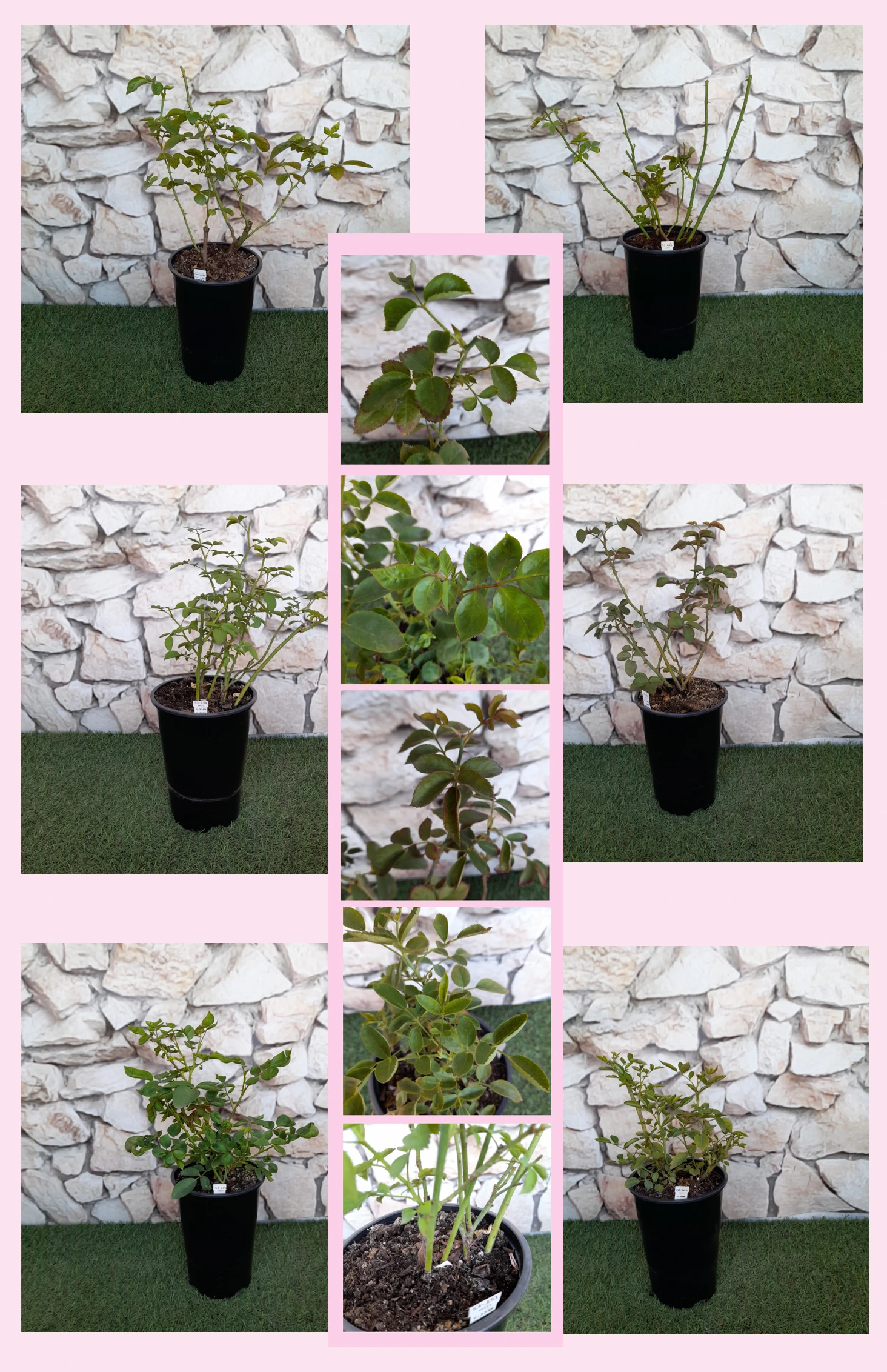
Crop overview: several varieties and growth stages in a short crop section.
Shoot system: intensive growth of fresh basal shoots on a young plant.
Root system: demonstration of a vigorous root system permeating the growing medium, by removing the pot.
Balance: mature plant with root system and shoots in harmony with each other.

Information about the videos
The video series is not a “seasonal showcase”; it illustrates the essence of pharmaROSA® own-root cultivation in a tangible way: how the plant is built up, what the root system is like and how the shoot system regenerates. The recordings were therefore made at different times and with plants at various stages of development, so mixed foliage levels and differing stages of growth may appear in the videos. They are not a ‘sample’ of the batch dispatched, but a visual explanation of how the technology works. The current condition of the rose available to order — typical for the given period and similar to what you can expect to receive in the parcel — is shown in the upper part of the product page.

pharmarosa.compharmarosa.skpharmarosa.ropharmarosa.depharmarosa.co.ukpharmarosa.sipharmarosa.czpharmarosa.atpharmarosa.hrpharmarosa.frpharmarosa.plpharmarosa.itpharmarosa.espharmarosa.bepharmarosa.nlpharmarosa.lupharmarosa.iepharmarosa.grpharmarosa.bgpharmarosa.sepharmarosa.lvpharmarosa.fipharmarosa.ltpharmarosa.eepharmarosa.ptpharmarosa.rupharmarosa.dk

Product types

Pages for private customers
Garden roses for the family garden, with minimal care  → ORIGINAL®
Premium garden roses – instant impact, a truly showpiece garden  → EXTRA®
Pages for professionals and private customers
Roses for public spaces – large areas, sustainable maintenance  → NATURAL®
Roses for projects – hedge and row planting, fast implementation  → RAPID®
For professional partners only
Production – propagation material for garden roses, wholesale  → NEONATAL®

Company details

PharmaRosa Ltd.
Company registration number: 01-09-717479
VAT number: 13075314-2-43
Plant health registration no.: HU130721
Bank account (IBAN):
HU85117631891388688400000000
BIC (SWIFT): OTPVHUHB
Bank name: OTP Bank Nyrt.