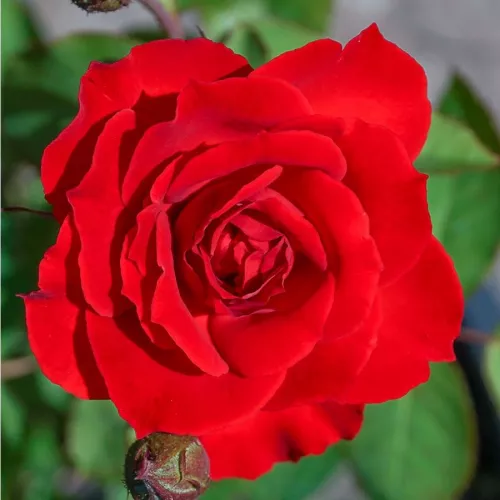
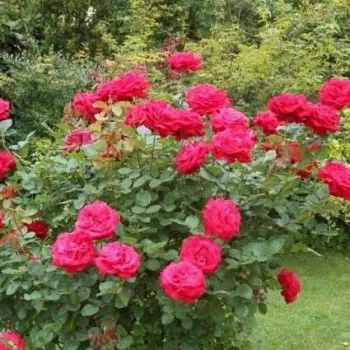
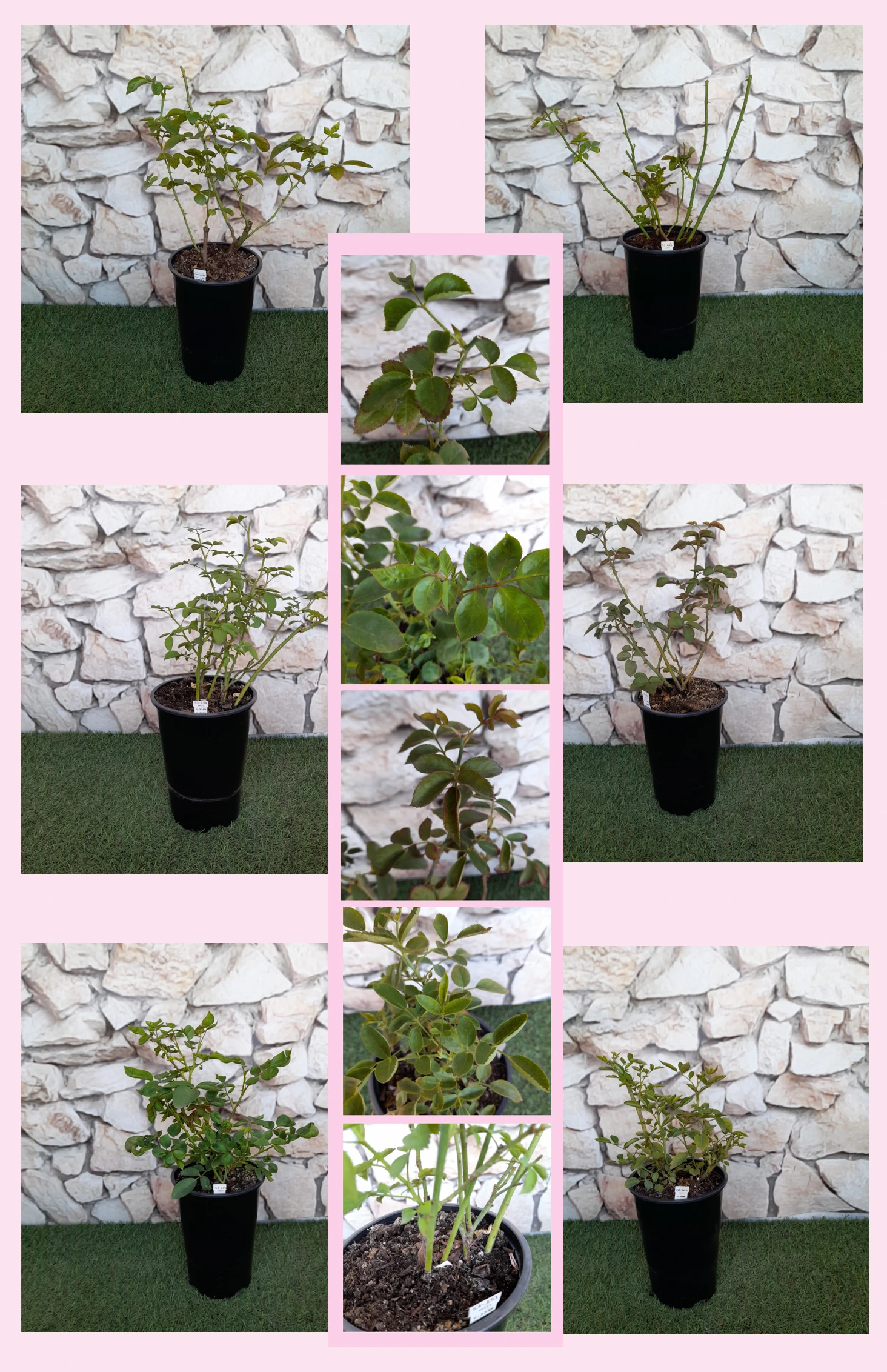
DAME DE COEUR – red hybrid tea rose – Lens
Step out after rain and meet balance in the vivid cherry-red blooms of ‘Dame de Coeur’, a classic hybrid tea reimagined as an own-root shrub for today’s small urban plots. Its medium-height, upright growth makes it ideal for narrow front gardens, while a solid, hardy constitution quietly supports long-term structure in mixed borders. This rose is bred for repeat flowering, sending up generous flushes of XL, high-centred blooms for cutting and garden display. Own-root resilience helps maintain lasting impact, supporting regeneration and a long life in your soil. In heavy, wetter conditions it copes reliably, suiting typical UK gardens where good drainage manages prolonged rainfall and clay. Over successive seasons it settles in, with roots in the first year, stronger shoots in the second, and full ornamental value by the third summer. Its discreet scent keeps the focus on colour drama, while moderate hips add autumn interest and a subtle wildlife touch for a more sustainable, green city space.
Usage options
| Target area | Reasoning |
|---|
| London terraced-house front garden |
The upright, medium-sized framework fits neatly into narrow beds along low walls or railings, giving a bold cherry-red focal point without overwhelming the space, well suited to busy urban beginners. |
| Rainwater-conscious clay border |
Once established in improved but heavier soil, its hardy root system and sturdy structure perform reliably where drainage has been considered, supporting gardens that must cope with frequent wet, windy weather for homeowners. |
| Cutting patch or allotment row |
Large, high-centred, solitary blooms on strong stems provide classic hybrid tea flowers for vases, so a short row can supply repeat flushes of elegant stems across the season for enthusiastic home florists. |
| Specimen feature in a small lawn |
Planted as a single specimen with space around it, the dense foliage and vivid red flowers create a clear focal point that is easy to appreciate and maintain, particularly appealing for compact family gardens and relaxed gardeners. |
| Mixed perennial and shrub border |
The rose’s dependable height range and upright habit make it straightforward to weave among perennials such as lavender or catmint, building steady structure and colour rhythm for design-conscious urban planners. |
| Large container on paved frontage (40–50 L+) |
In a spacious, well-drained pot, it brings formal hybrid tea character to paved or gravelled front gardens, offering a contained solution where in-ground planting is limited, ideal for city-space-conscious residents. |
| Low hedge or boundary rhythm |
At the suggested spacing it forms a loose, flowering line that marks paths or drive edges, combining repeat red colour with clear structural definition appreciated by family-garden owners. |
| Rainwater-harvested front bed design |
Integrated near downpipes or permeable drives, it contributes height and flower while working alongside other plants chosen for managing roof run-off in a coherent, sustainable layout valued by eco-aware urban gardeners. |
Styling ideas
- Front-door focus – Pair with lavender and dwarf grasses in a narrow strip to frame a terraced-house entrance in clear cherry-red, ideal for time-poor city dwellers wanting instant structure.
- Romantic ribbon – Plant a short hedge backed by pale perennials to create a red “ribbon” along a path, suiting families who like a classic, tidy look with simple seasonal upkeep.
- Cutting corner – Group three plants with dianthus and liatris for texture and colour contrast, perfect for hobby florists aiming for reliable home-grown bouquets.
- Rainwise frontage – Combine with nepeta and sage around a gravelled, free-draining soakaway bed, attractive to urban gardeners designing front gardens that work with rainwater rather than against it.
- Balcony statement – In a 50‑litre tub with airy companions, it becomes a single bold accent, appealing to flat owners seeking a low-effort but elegant focal point above street level.
Technical cultivar profile
| Parameter | Data |
|---|
| Name and registration |
Hybrid tea rose cultivar ‘Dame de Coeur’, registered cultivar name and ARS exhibition name matching; marketed as DAME DE COEUR – red tea-hybrid rose – Lens for garden and cutting use. |
| Origin and breeding |
Bred by Louis Lens in Belgium from ‘Peace’ × ‘Independence’; introduced by Lens Roses in 1958 and now offered as an own-root, container-grown garden rose for modern domestic plantings. |
| Awards and recognition |
Historic show successes include a Silver medal at Baden-Baden trials in 1958 and a Royal National Rose Society Trial Ground Certificate in Great Britain in the same year. |
| Growth and structural characteristics |
Upright hybrid tea shrub typically 80–120 cm tall and 50–70 cm wide, with dense, slightly glossy dark green foliage and moderate prickliness, forming a compact, well-defined garden presence. |
| Flower morphology |
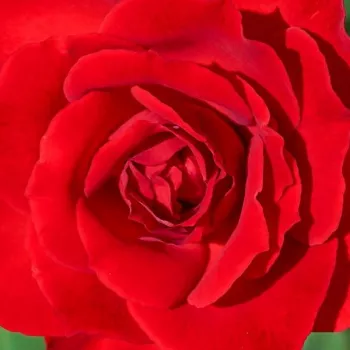
Very large, double, high-centred flowers with 26–39 petals, usually borne singly on stems; remontant habit with an abundant second flush, designed for both bed display and cutting. |
| Colour data and phenology |
Vivid cherry-red blooms with a velvety sheen, coded MR, RHS 46A–46B; buds are dark and rich, colour lightening slightly in strong sun while remaining deeper and more saturated in cooler periods. |
| Fragrance and aroma |
Soft, discreet scent with very weak intensity; fragrance is barely perceptible in most conditions, so its main ornamental value lies in flower form, colour and reliable repeat display. |
| Hip characteristics |
Produces spherical orange-red hips around 10–14 mm in diameter in moderate quantities, adding small-scale seasonal interest and a subtle wildlife resource into late summer and autumn. |
| Resistance and winter hardiness |
Rated to approximately −32 to −29 °C (RHS H7; USDA 4b), but somewhat disease-prone, especially to powdery mildew, with moderate susceptibility to black spot and rust under humid conditions. |
| Horticultural recommendations |
Prefers a sunny position with well-drained yet moisture-retentive soil; spacing 50–90 cm depending on use, with attentive deadheading and protective care recommended to manage disease sensitivity. |
Dame de Coeur offers classic cherry-red hybrid tea blooms, strong structure and long-season flowering on a durable own-root framework, a thoughtful choice if you would like lasting elegance from a single rose.