Dames de Chenonceau – DELpabra bedding shrub rose
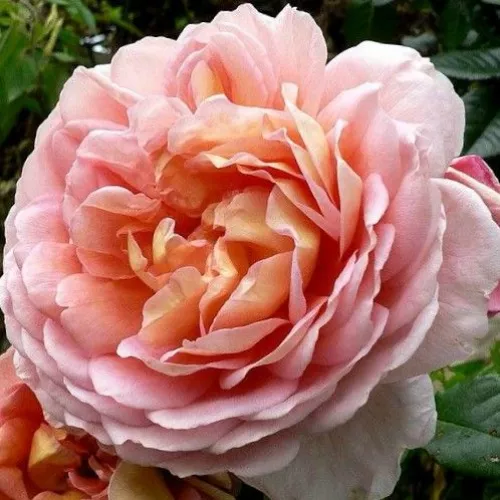
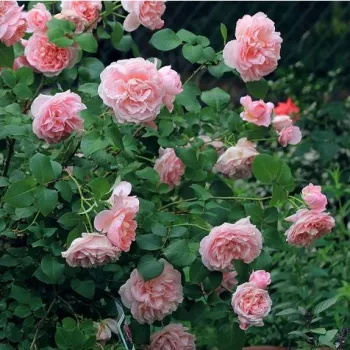
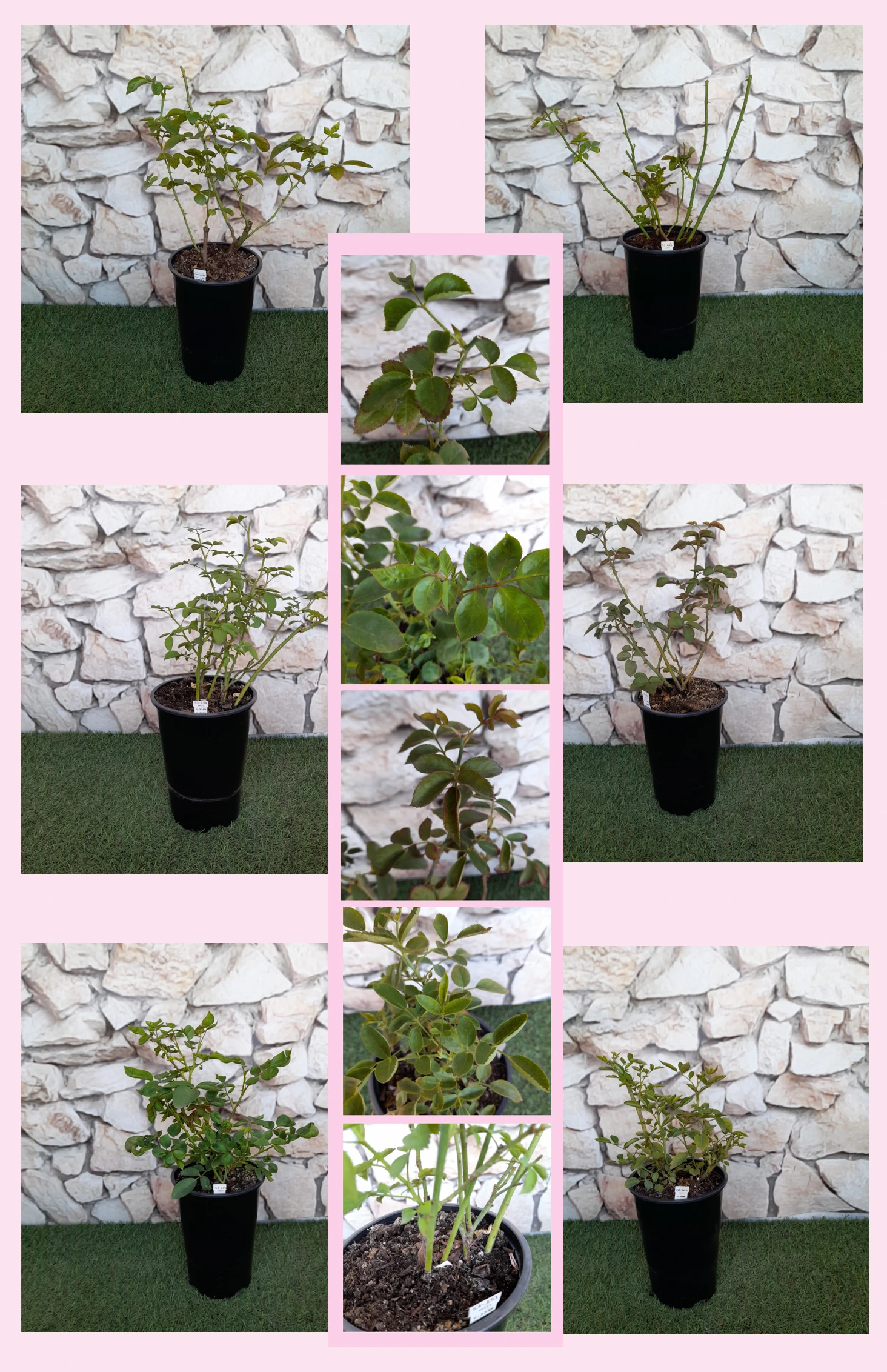
Step through your front gate to a soft, rose-scented journey, where Dames de Chenonceau settles calmly into small London plots and breezy suburban spaces, coping well with typical British rainfall and changeable summers. Its bushy, upright habit and delicately cupped, apricot-pink blooms bring an instantly “girly” look to terraces and tiny front gardens, yet remain easy to manage around busy paths and parked cars. As an own-root shrub it offers reassuring longevity, quietly rebuilding from the base if winter or pruning are less than perfect, so you enjoy steady reliability instead of high-maintenance drama. In its first year it concentrates on roots, the second on shoot structure, and by the third it reaches full ornamental impact, forming a balanced, glossy green screen that flowers repeatedly from early summer well into autumn. For a sustainable, low-fuss rhythm in your family garden, this compact Delbard classic is an elegant, fragrant choice.
Usage options
| Target area |
Reasoning |
| Narrow London front garden borders |
The compact 80–100 cm height and 50–70 cm spread make Dames de Chenonceau ideal for slim borders along paths, railings and bay windows, giving strong colour and scent without overpowering a small façade; perfect for the busy townhouse gardener. |
| Romantic “girly” bedding schemes |
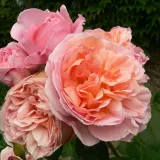
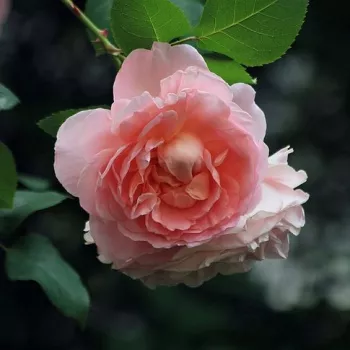
Very double, cupped, apricot-pink blooms in generous clusters create a soft, feminine look that pairs beautifully with pastels and light foliage, ideal for a cottage-style or whimsical front garden loved by the style-conscious urban homeowner. |
| Low, fragrant flowering hedge |
Planted 35–40 cm apart, its upright, bushy habit and dense, dark green foliage form a neat, flowering line that guides the eye and subtly screens bins or parking spaces, suiting the privacy-seeking family gardener. |
| Rain-aware, resilient planting strips |
Well-rooted own-root plants cope reliably with wet spells and typical British downpours when given decent drainage, supporting sustainable front gardens that manage water without fuss for the environmentally minded city dweller. |
| Long-season feature near seating areas |
Remontant flowering with abundant second flushes and a strong, far-scented perfume keeps the seating corner attractive through much of the season, rewarding the time-poor but fragrance-loving balcony and patio owner. |
| Container displays on balconies and paved fronts |
In a 40–50 litre or larger pot with peat-free compost, this upright shrub rose provides structure and repeat bloom where soil is limited, bringing colour to paved driveways and small balconies for the space-conscious apartment gardener. |
| Low-maintenance family borders |
Moderate disease resistance, self-cleaning at a medium level and own-root resilience mean only light deadheading and occasional checks are needed, making it suitable for beginners and those with limited time, such as the busy working parent. |
| Long-term, sustainable planting plans |
As an own-root shrub, it avoids graft failure, can regenerate from the base after hard pruning, and contributes stable structure year after year, fitting long-horizon designs favoured by the sustainability-focused new gardener. |
Styling ideas
- Terraced-Romantic – Line a narrow London front path with Dames de Chenonceau and interplant with lavender and soft grasses for movement and scent – ideal for design-aware city homeowners.
- Pastel-Border – Combine with nepeta, pale foxgloves and soft pink salvias in a mixed border to emphasise its apricot-pink clusters – perfect for cottage-garden enthusiasts.
- Courtyard-Pot – Plant a single shrub in a 50 litre clay container with trailing thyme around the rim for a compact, fragrant focal point – suited to balcony and small-patio dwellers.
- Soft-Hedge – Create a low hedge along a front boundary, underplanting with sage and low alliums to echo its warm tones – ideal for families seeking gentle screening.
- Rain-Garden – Position on slightly raised mounds beside a gravel swale, adding sedges and irises so excess rain is managed gracefully – appealing to environmentally conscious urban gardeners.
Technical cultivar profile
| Parameter |
Data |
| Name and registration |
Floribunda shrub bed rose; registered as DELpabra. Marketed as Dames de Chenonceau and Delpabra bedding shrub rose, ARS exhibition name Dames de Chenonceau. |
| Origin and breeding |
Bred by Georges Delbard, France, around 2002, parentage not recorded. Introduced by Pépinières et Roseraies Georges Delbard SA for garden and bedding use. |
| Growth and structural characteristics |
Upright, bushy shrub 80–100 cm tall and 50–70 cm wide with dense, slightly glossy dark green foliage and moderate prickles, forming a compact, rounded structure. |
| Flower morphology |
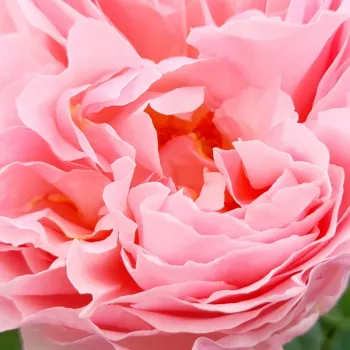
Large, very double, cupped blooms with over 40 petals, borne in clusters of three to five per stem, flowering repeatedly with an abundant second flush in suitable conditions. |
| Colour data and phenology |
Warm apricot-pink with peach and orange nuances; buds deep rose-peach, opening to softer pastel and creamy pink tones, fading gently yet holding colour well in sun. |
| Fragrance and aroma |
Strong, far-scented rose perfume, noticeable around the plant in still air. Character details are not formally recorded but aroma is clearly perceived in normal garden use. |
| Hip characteristics |
Hip set is generally low due to very double flowers; when present, produces small, ovoid red hips about 10–14 mm across, contributing modest seasonal interest in autumn. |
| Resistance and winter hardiness |
Hardy to around -21 to -18 °C (RHS H7, USDA 6b, Swedish zone 3). Good resistance to powdery mildew and black spot, moderate susceptibility to rust in some seasons. |
| Horticultural recommendations |
Best in full sun with well-drained soil. Water in dry spells and deadhead spent blooms. Suitable as border, specimen or cut flower; allow enough space for air movement. |
Dames de Chenonceau offers compact structure, repeat flowering and strong fragrance on a resilient own-root shrub, making it a thoughtful long-term choice for small, style-conscious gardens.