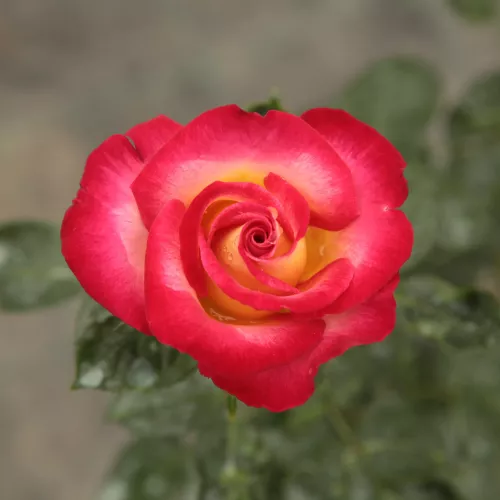
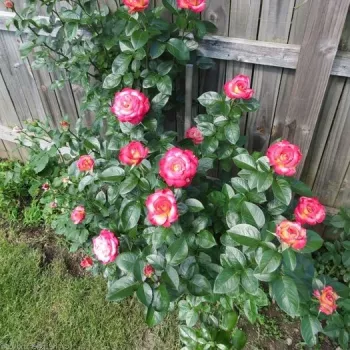
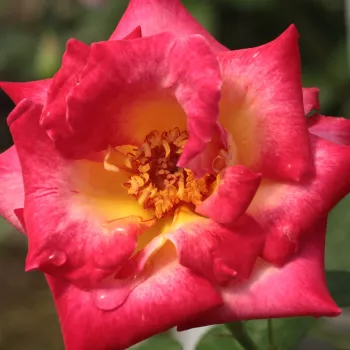
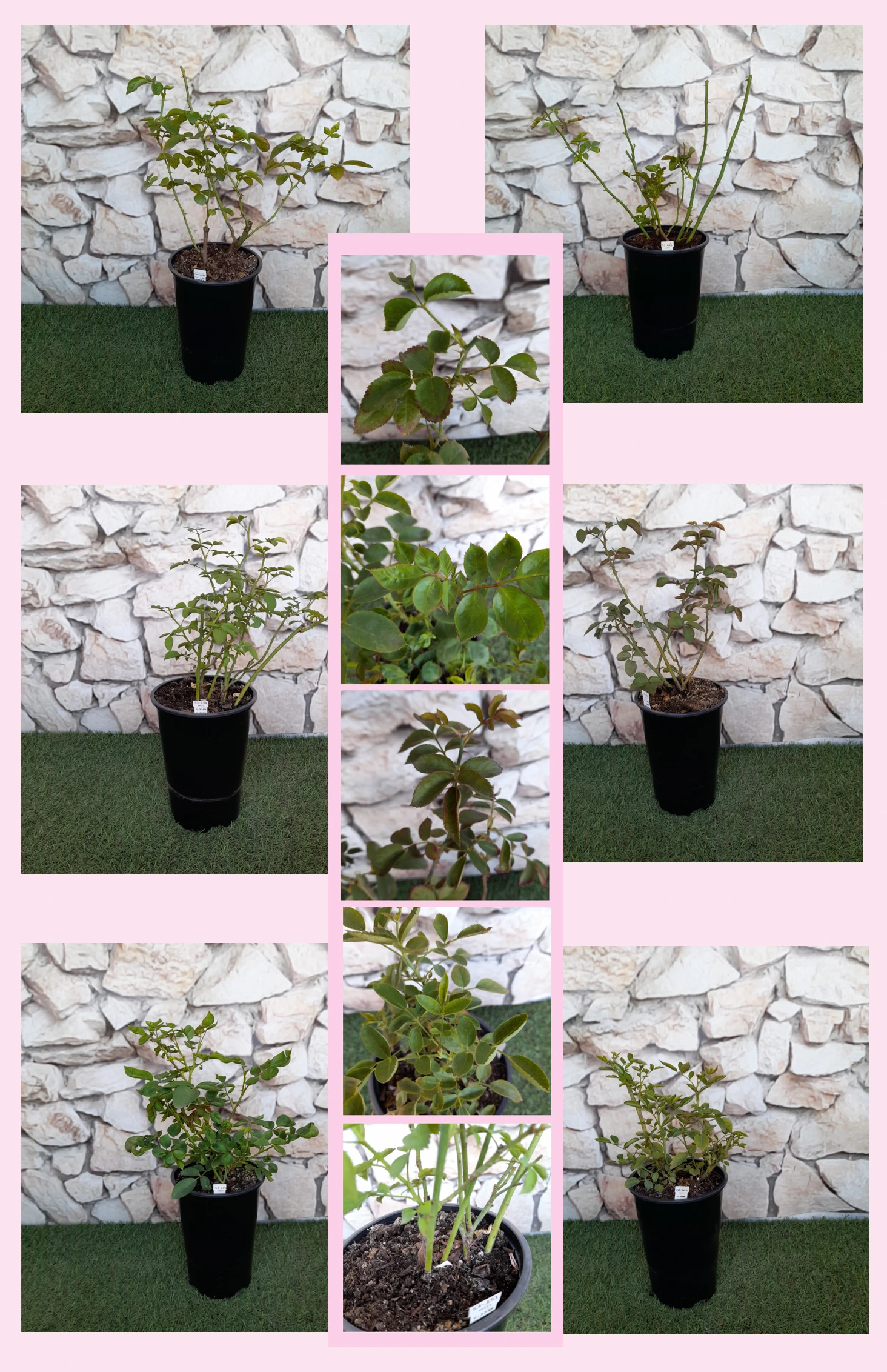
DICK CLARK™ – cream-yellow with red-edged petals bedding grandiflora rose
Imagine stepping out after rain into a small London front garden and being greeted by fragrance, generous flowering and rich colour on a tall, upright bush that copes reliably with blustery, wet British weather and heavier garden soils, while its own-root longevity means the plant steadily strengthens instead of tiring with age. DICK CLARK™ offers a soothing sense of balance between showy, exhibition-style blooms and practical, low-fuss care, settling in gently as roots establish, top growth builds and full ornamental value appears over the first three seasons. With a medium maintenance level and moderate disease resilience, it suits busy urban gardeners who want a dependable, repeat-blooming statement rose for beds or large containers, providing a quietly sustainable presence that rewards simple, regular watering with long-lasting display.
Usage options
| Target area | Reasoning |
|---|
| Front garden focal point |
The tall, bushy habit and cream‑to‑cherry edged blooms create instant vertical interest beside a pathway or doorway, bringing an elegant statement shrub feel in modest spaces with minimal shaping needed for busy urban gardeners |
| Long-season flower bed |
Remontant flowering with abundant second flushes keeps mixed beds colourful over summer, so you do less replanting while enjoying a steady display that blends easily with perennials and low shrubs for time-poor home owners |
| Own-root longevity hedge |
Planted at hedge spacing, own-root plants build a stable framework that regenerates from the base after hard pruning or winter damage, extending the planting’s lifespan and keeping lines full and attractive for long-term garden planners |
| Large container on terrace |
In a 40–50 litre peat-free container, this upright grandiflora becomes a striking feature for small patios, balconies or paved front gardens, giving height and flower power without demanding complex care routines for balcony and terrace gardeners |
| Cut flower and exhibition use |
Medium-sized, cupped blooms with distinctive two-tone petals and a sweet, spicy scent make refined vase material and are suitable for exhibition benches, adding versatility for those who enjoy both garden display and indoor arrangements for enthusiastic hobby exhibitors |
| Part-shade city planting strip |
Good performance in partial shade means it copes beside north or east-facing walls where sun is limited, still producing well-coloured flowers and tidy foliage, easing design in cramped urban front strips for space-conscious town gardeners |
| Weather-tolerant family border |
Moderate disease resistance, sturdy growth and tolerance of typical UK wet and windy spells make it suited to exposed borders, where reliable structure and flowering matter more than perfection of every leaf for low-maintenance family gardens |
| Rainwater-wise planting scheme |
Performs well in ordinary garden soil provided drainage is adequate, pairing comfortably with lavender, sage or nepeta around a slightly raised planting pocket, working neatly in schemes that manage and slow rainwater run-off for sustainability-minded city gardeners |
Styling ideas
- Terrace-Showpiece – Position in a 50 litre clay pot with pea gravel mulch and underplant with low-growing thyme to soften the rim – ideal for compact front terraces.
- Romantic-Hedge – Plant in a staggered line along a low front fence and weave in lavender for scent and soft edging – suited to cottage-style family gardens.
- Evening-Path – Flank a narrow path with two or three plants and intersperse with nepeta for a relaxed, post-rain walk ambience – perfect for busy professionals unwinding after work.
- Exhibition-Corner – Dedicate a sunny bed to several bushes with dark mulch and simple box edging to highlight the bicolour blooms – appealing to rose collectors and show exhibitors.
- Urban-Mix – Combine with foxgloves and airy grasses in a small front plot to balance structure and movement – great for design-led townhouses seeking year-round interest.
Technical cultivar profile
| Parameter | Data |
|---|
| Name and registration |
Grandiflora–floribunda bedding rose; registered as WEKfunk, marketed as DICK CLARK™; ARS exhibition name Dick Clark; part of a bedding rose collection suited to garden and cutting use. |
| Origin and breeding |
Bred in the United States in 2008 by Christian Bédard and Tom Carruth from ‘Fourth of July’ × unknown seedling; introduced by Weeks Roses in 2011 after 2009 registration trials. |
| Awards and recognition |
All-America Rose Selections winner in 2011 for overall garden performance; American Rose Society Members’ Choice 2015, confirming strong popularity in practical garden conditions. |
| Growth and structural characteristics |
Bushy, upright shrub reaching about 140–180 cm high and 80–120 cm wide; dense, glossy dark green foliage with moderate prickles; partially self-cleaning but benefits from light deadheading. |
| Flower morphology |
Medium-sized double blooms with 26–39 petals, cupped form, usually borne singly on stems; remontant habit with particularly abundant second flush making it valuable for extended seasonal display. |
| Colour data and phenology |
Cream to cream-yellow base with bright cherry-red to raspberry edging, ARS RB; colour deepens in heat, softens in cool weather; overall colour retention is good with no strong bleaching typical. |
| Fragrance and aroma |
Medium-strength perfume, clearly noticeable on warm, still days; fragrance character is sweet with a distinct spicy note, combining decorative exhibition looks with relaxing sensory appeal outdoors. |
| Hip characteristics |
Rose hips form sparsely; when present, they are small, spherical, 10–14 mm, vivid red (RHS 40A), adding modest late-season interest without significantly diverting energy from repeat flowering. |
| Resistance and winter hardiness |
Rated to around −26 to −23 °C (RHS H7, USDA 5b); moderate resistance to black spot, powdery mildew and rust; tolerates heat but needs watering in prolonged drought to maintain vigour. |
| Horticultural recommendations |
Best at 60–70 cm spacing in beds or hedges, up to 110 cm as specimen; prefers fertile, well-drained soil; partial shade tolerant; medium maintenance with occasional pest and disease checks. |
DICK CLARK™ offers long-season flowering, a strong vertical presence and dependable own-root longevity, making it a thoughtful choice for gardeners seeking a lasting feature rose worth living with and tending over time.