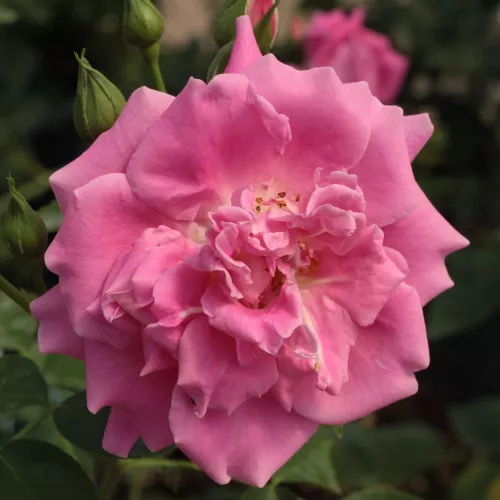
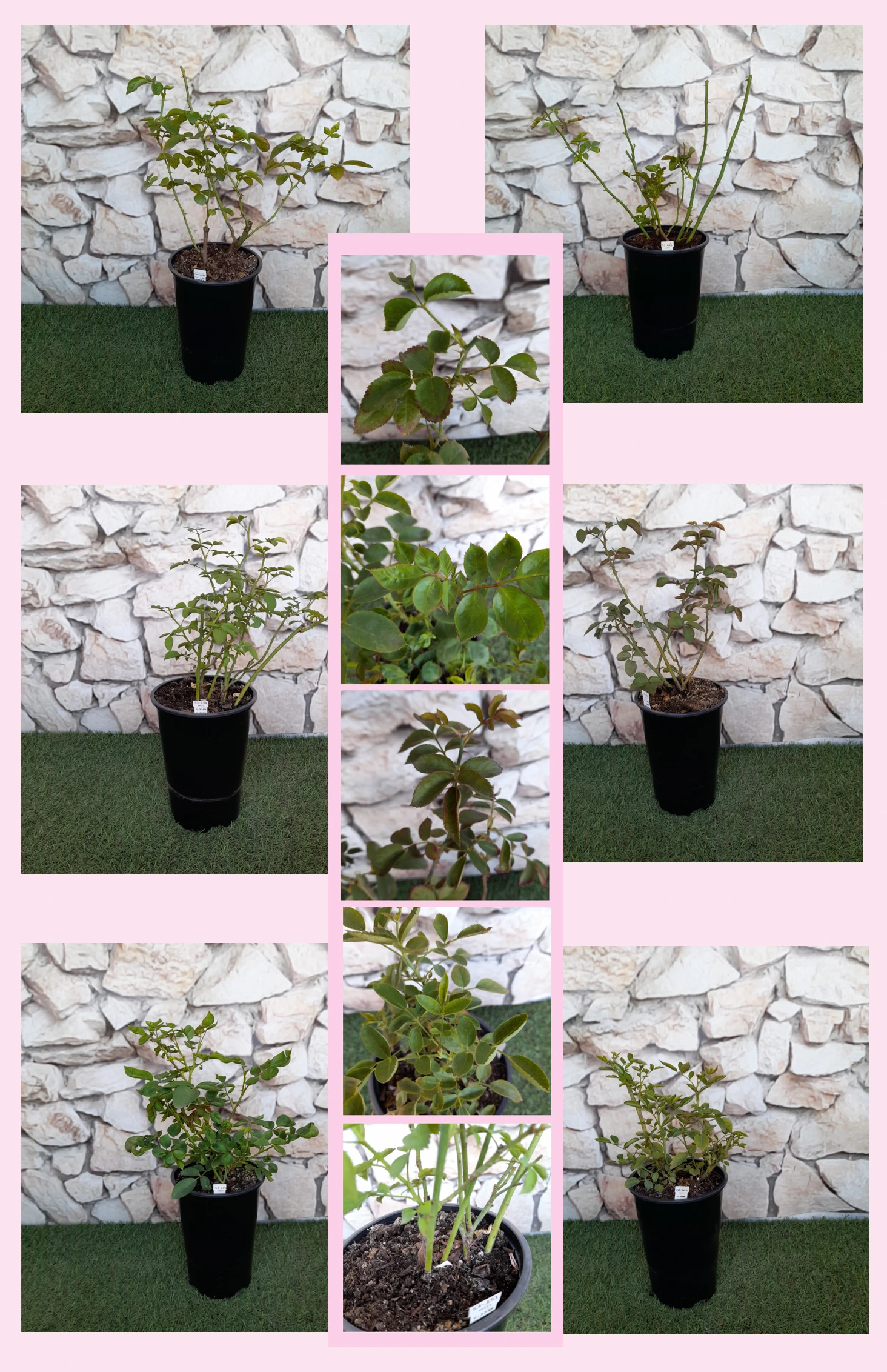
ROUNDELAY – dark‑red bedding grandiflora rose – Swim
Imagine approaching your front door through a narrow path lined with rich, dark red blooms, the air touched by a strong, lingering fragrance after rain and the glossy foliage still beaded with droplets, coping steadily even where drainage is imperfect and summers are damp and humid. ROUNDELAY is a classic grandiflora reimagined as a modern, own‑root, 2‑litre container rose for today’s compact, sustainable city gardens, bringing generous repeat flowering and exhibition‑style form to small family spaces with reassuring long‑term stability. Its upright, bushy habit creates a structured, hedge‑like presence in terrace front gardens, while its velvety dark‑red colour holds superbly without bleaching, so your investment remains visually reliable year after year. In the first season it quietly builds roots, in the second it extends its shoots, and by the third it settles into a full, lasting ornamental presence that anchors your planting scheme with calm, enduring beauty.
Usage options
| Target area | Reasoning |
|---|
| Front garden focal point beside the path |
The upright, bushy habit forms a dense, eye‑catching column of dark red along a narrow London terrace path, giving a “front‑door theatre” effect without taking over the whole bed, ideal for a tidy, low‑effort look for the busy urban gardener. |
| Formal bedding or low hedge |
Consistent height and spread, with medium vigour, make it easy to space at 55–65 cm for a level, clipped effect, so a small row reads as one coherent hedge and stays manageable with minimal pruning for the style‑conscious homeowner. |
| Stand‑out specimen in a mixed border |
The saturated, velvety dark red colour reads clearly against greens and silvers, anchoring looser plantings of grasses or perennials and creating a visual “pivot point” that still feels elegant and calm for the design‑curious beginner. |
| Container planting on patio or balcony (40–50 L+) |
In a large, 40–50 litre peat‑free container with reliable drainage, its compact footprint and upright structure make it easy to combine with underplanting while remaining simple to water with harvested rainwater for the sustainability‑minded city dweller. |
| Cut‑flower and vase use from the garden |
High‑centred, exhibition‑type blooms on sturdy stems provide classic, dark red cut flowers with strong, long‑lasting scent, turning even a small family garden into a personal cutting patch for the home flower enthusiast. |
| Long‑term feature in a family garden |
As an own‑root rose it can regenerate from the base after pruning or weather damage, avoiding graft‑related decline and helping your planting mature gracefully over many seasons for the long‑view garden planner. |
| Structured planting in clay or wetter urban soils |
Once established, the bushy, upright shrub copes reliably with typical suburban conditions, giving dependable shape and bloom even where soil can be heavy and summers cool and damp, supporting the reality‑focused UK homeowner. |
| Classic rose bed with seasonal companions |
Its strong fragrance and enduring colour stand out when mixed with low‑maintenance companions like lavender, nepeta or sage, creating a traditional yet easy‑care rose bed that still feels elegant and welcoming for the romantic garden lover. |
Styling ideas
- Terrace‑Welcome – Plant a short row either side of a narrow front path, underplant with low nepeta and mulch well, for a fragrant, well‑framed arrival – ideal for terrace‑house owners wanting instant presence.
- Ruby‑Hedge – Space plants at hedge distance along a front boundary, with alternating clumps of lavender for scent and movement – suited to families seeking a neat but friendly street‑facing edge.
- Balcony‑Bouquet – Grow one plant in a 50‑litre container with trailing thyme and dwarf grasses, using stored rainwater for irrigation – perfect for flat‑dwellers wanting classic roses in limited space.
- Evening‑Scent – Position a specimen near seating, backed by silvery foliage like santolina, so the strong perfume and dark blooms stand out after work – for professionals unwinding outdoors.
- Heritage‑Border – Combine with cottage perennials and soft grasses in a mixed border, letting the structured form contrast with looser shapes – appealing to gardeners who enjoy traditional looks with modern ease.
Technical cultivar profile
| Trait | Data |
|---|
| Name and registration |
Grandiflora bed rose marketed as ROUNDELAY – dark‑red bedding grandiflora rose – Swim; ARS exhibition name ‘Roundelay’; unregistered cultivar used mainly in garden and cut‑flower roles. |
| Origin and breeding |
Bred by Herbert C. Swim at Armstrong Nurseries, California, from ‘Charlotte Armstrong’ × ‘Floradora’; introduced 1953 in the United States and later widely distributed for bedding and cutting. |
| Awards and recognition |
Highly regarded mid‑century cultivar with Geneva Gold Medal and City of Geneva Prize in 1954, plus RNRS Trial Ground Certificate in 1958, reflecting garden performance and exhibition‑quality blooms. |
| Growth and structural characteristics |
Upright, bushy shrub 85–115 cm high and 75–105 cm wide, with moderately dense, glossy dark green foliage and moderate prickliness; self‑cleaning is partial, so some deadheading enhances appearance. |
| Flower morphology |
Medium‑sized, double, high‑centred blooms with 26–39 petals, carried mainly in clusters; pointed buds give a classic hybrid‑tea style profile, with good repeat flowering and an especially abundant second flush. |
| Colour data and phenology |
Deep, velvety dark red with subtle burgundy tones; colour holds very well, only slightly paler in strong sun and richer in cool weather, with ruby sheen at the centre and minimal visible fading on the plant. |
| Fragrance and aroma |
Strongly and persistently scented garden rose; fragrance character not formally documented, but noted for an assertive, lasting perfume that is well suited to seating areas and use as a cut flower indoors. |
| Hip characteristics |
Limited hip set due to double flowers; where produced, hips are 12–18 mm, ellipsoid and red (RHS 44A), offering modest late‑season colour without becoming a dominant ornamental feature. |
| Resistance and winter hardiness |
Rated H7 and hardy to around −21 to −18 °C; disease resistance is medium overall, with susceptibility to black spot, so occasional protective care helps maintain foliage quality in damp conditions. |
| Horticultural recommendations |
Best in sunny sites with decent air movement; plant 55–100 cm apart depending on use, in improved, free‑draining soil; water during dry spells and deadhead to encourage strong remontant flowering. |
ROUNDELAY offers velvety dark‑red colour, strong fragrance and reliable repeat flowering on a long‑lived own‑root framework, making it a thoughtful, enduring choice for compact, sustainable family gardens.