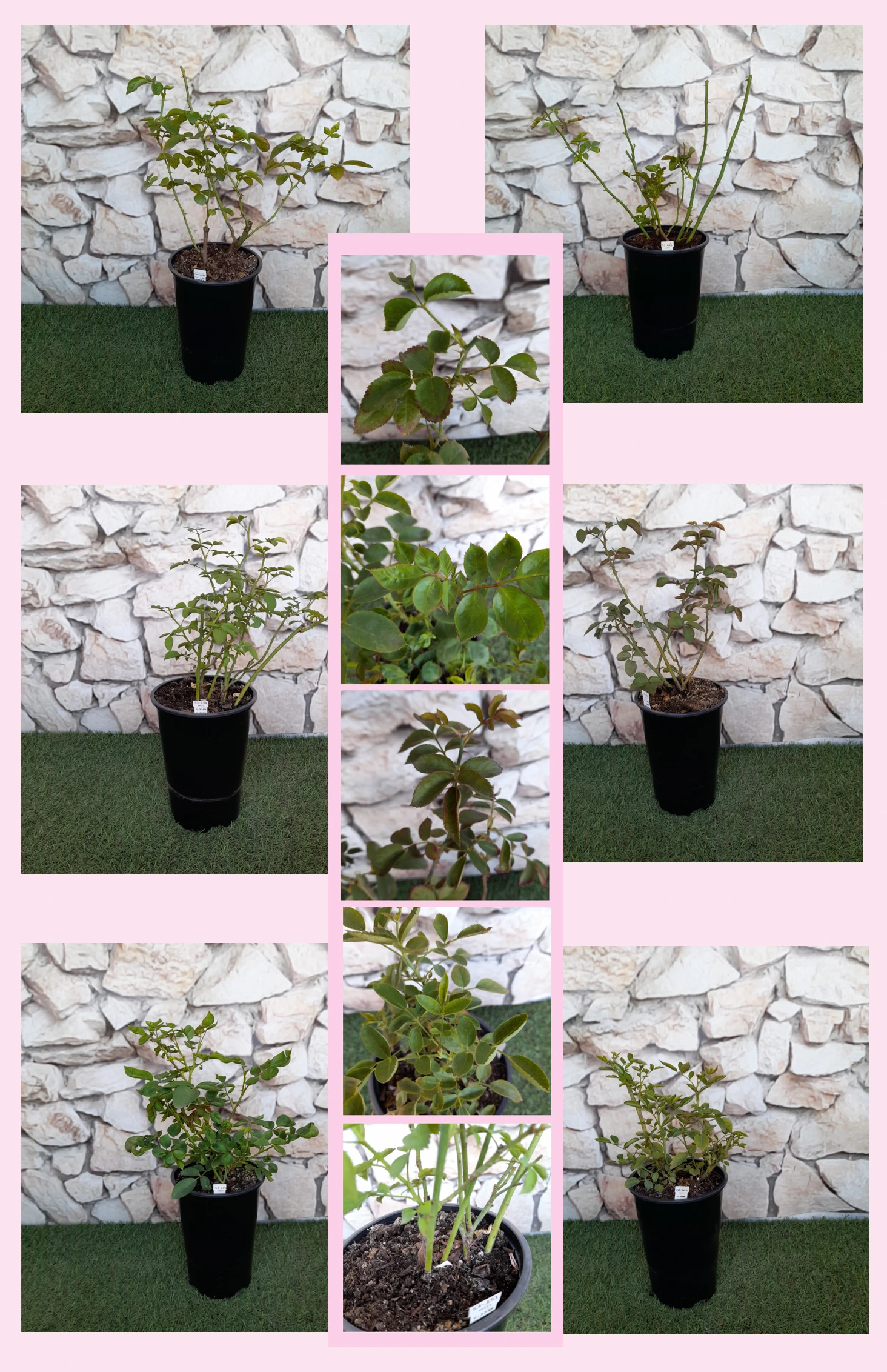
DON JUAN – dark-red climbing rose – Malandrone
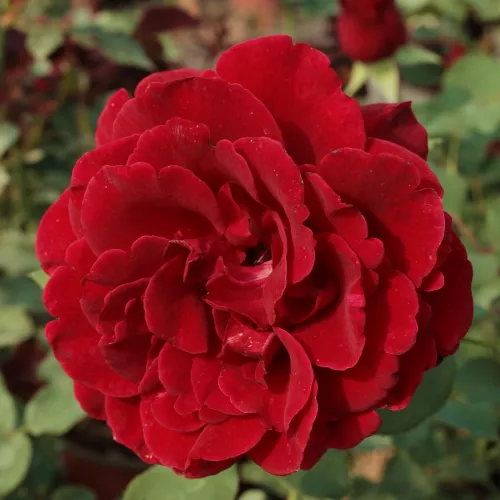
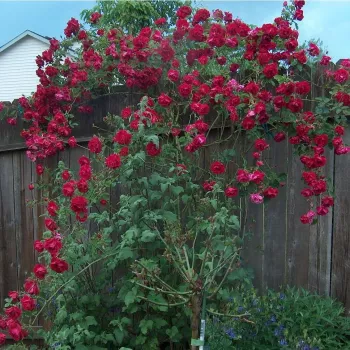
Imagine returning home along a narrow front path, brushed by deep, velvety blooms of fragrance and rich colour that hold up gracefully in rain and wind, even in more exposed city streets. Don Juan is a classic, large-flowered climbing rose that offers impact with relatively modest upkeep: it tolerates partial shade, copes well with summer heat, and its own-root form supports a long-lived, reliable framework that can be refreshed if ever cut back hard. In heavy urban soils, simple attention to drainage helps it settle into balance with the rest of your planting, while a peat-free mix and collected rainwater in a 40–50 litre container make this rose a genuinely sustainable choice. Over time it rewards you with a calm, predictable rhythm – first year establishing roots, second year building shoots, and by the third delivering full ornamental value across your wall, fence or arbour.
Usage options
| Target area |
Reasoning |
| London terraced-house front wall |
Ideal where space is tight but you want a strong vertical statement: Don Juan’s tall, climbing habit paints the brickwork in dark-red, velvety blooms, giving high impact from a small footprint and framing the front door beautifully for the design-conscious homeowner |
| Rainwater-friendly city container garden |
In a 40–50 litre pot with good drainage, Don Juan performs reliably when watered with collected rain, rewarding you with repeat flushes of flowers while avoiding mains-water waste, well suited to the environmentally aware urban-gardener |
| Family pergola or arbour seating area |
The strong, tea-fruity scent creates a cosy, evening retreat as blooms open at nose level around a bench or small seating nook, offering a romantic atmosphere without complex pruning for the time-pressed garden-owner |
| Partially shaded side passage |
Where many roses struggle, this cultivar tolerates partial shade, so a narrow side return or alley can be transformed into a scented corridor of deep red flowers, making use of previously “dead” space for the inventive city-resident |
| Wind-prone coastal fence |
Its robust growth and good heat tolerance help it cope with exposed positions that see strong breezes and drying sun, making it a sound choice where conditions can be challenging yet beauty is still desired by the pragmatic gardener |
| Low-intervention family garden boundary |
Good overall disease resistance and a forgiving growth habit mean you can keep maintenance to deadheading and the occasional tidy, rather than constant spraying, which suits busy households and relaxed, low-fuss beginners |
| Sustainable front garden with perennials |
Works well with lavender, sage, Nepeta or lady’s mantle, creating a soft, wildlife-friendly understorey beneath the climbing framework and giving long-season structure that supports a balanced, greener approach for the eco-conscious planner |
| Regenerative long-term feature rose |
The own-root plant builds a durable framework that can regenerate from the base if ever pruned hard or damaged, helping it remain a long-lived feature and steadily enhancing the garden’s character for the forward-looking owner |
Styling ideas
- Terrace-Theatre – Train Don Juan over a slim arch at the gate, underplant with Alchemilla mollis and Dalmatian bellflower for a soft, frothy base – ideal for small London front gardens seeking drama without clutter
- Velvet-Facade – Cover a plain brick wall with dark-red blooms, edging the base with evergreen Lonicera pileata to keep winter interest – perfect for homeowners wanting a smart, low-fuss frontage
- Evening-Nook – Drape canes along a compact pergola above a bistro set, mixing in lavender and sage nearby so scent and colour combine at dusk – suited to couples creating a quiet retreat
- Container-Crescendo – Grow in a large 50 litre pot with a slim obelisk, pairing with trailing Campanula for spillover colour – designed for balconies and paved yards with no open soil
- Side-Passage-Gallery – Fan-train along wires in a narrow, part-shaded side path, leaving space for pots of Nepeta at ground level – good for turning overlooked service areas into attractive walk-through spaces
Technical cultivar profile
| Parameter |
Data |
| Name and registration |
Don Juan is a large-flowered climbing Hybrid Tea (Cl), registered and traded as Don Juan; a classic dark-red exhibition climber and cut-flower type within the climbing rose group. |
| Origin and breeding |
Bred by Michele Malandrone in Italy from ‘New Dawn’ × ‘New Yorker’ and introduced by Jackson & Perkins (USA) in 1958; long-established, unregistered variety now widely grown in private gardens. |
| Growth and structural characteristics |
Strong, climbing growth with dense prickles, reaching about 240–380 cm in height and 150–260 cm spread; medium-density green foliage provides good coverage for walls, fences and arbours. |
| Flower morphology |
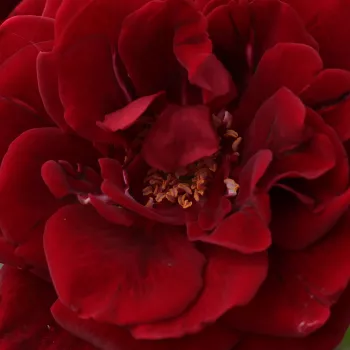
Very double, cup-shaped blooms with 40+ petals, produced mostly in clusters; large-flowered (around 2.75–3.95 in), with good repeat flowering that delivers an abundant second flush in season. |
| Colour data and phenology |
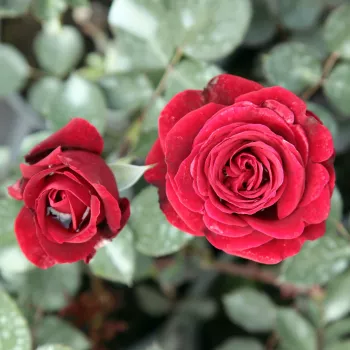
Deep, velvety dark-red flowers (RHS 187A outer, 53B inner) that darken towards blackish tones before gently fading; colour is generally stable with good retention, even in stronger sunlight. |
| Fragrance and aroma |
Strong, easily noticeable perfume with a rich tea-fruity character, making it especially suitable for seating areas, entrances and frequently used paths where the scent can be fully appreciated. |
| Hip characteristics |
Forms sparse, spherical hips 12–18 mm in diameter, coloured red (RHS 43A); decorative potential is modest, as hip production tends to be occasional rather than heavy on most garden plants. |
| Resistance and winter hardiness |
Good general disease resistance with moderate black spot susceptibility; shows resilience to heat and requires regular watering in dry spells; hardy approximately to -21 to -18 °C (RHS H7, USDA 6b). |
| Horticultural recommendations |
Suited to walls, fences, pergolas and arbours; prefers well-drained, fertile soil, tolerates partial shade, and benefits from light training, occasional deadheading and periodic pruning to renew flowering wood. |
Don Juan combines romantic dark-red, scented blooms with manageable care and durable own-root growth, making it a considered choice for a long-lived, space-efficient feature in your garden.