Historic Rose

52-603-1
52-603-2

Duc de Cambridge

Historic rose

- – Jean Laffay

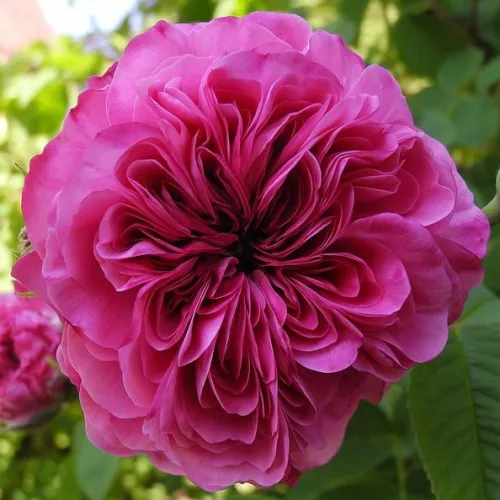
Deep, cool-toned purple base colour. Darker in cool weather; in warm weather it fades slightly to a lilac-pink. - historical, damask rose - very strong, garden-filling scented rose - full, damask scented

– Very strong, garden-filling damask fragrance
– Tall, bushy shrub for hedges and specimens
– Richly double, romantic rosette flowers
– Hardy to USDA Zone 4b, reliably winter-tough
– Historic Damask character for period gardens
Special feature: Deep purple buds opening to lilac-pink rosettes with a silvery sheen.
Shapes and contours – Professional expertise
Duc de Cambridge
eleanorROSE® ORIGINAL 2-litre own-root potted rose
23,00 £
Unfortunately, we are currently unable to ship to the United Kingdom; we only deliver to countries within the European Union. For more information, please contact us!
5 (9095)
facebook   twitter

DUC DE CAMBRIDGE – purple historic Damask rose - Laffay

Step out after summer rain and breathe in the damask depth of Duc de Cambridge, a tall historic shrub rose that brings a sense of heritage calm to small urban plots and classic family gardens alike. Its once-a-year purple-lilac display is richly fragrant, filling front gardens and narrow terraces with a traditional rose perfume that lingers in the evening air. This own-root shrub builds stability over time, settling deeply into heavy soil and coping well with exposed, damp sites and typical British humidity and fungal pressure, making it reassuringly resilient. Plant it once and allow the roots to develop in year one, the framework to strengthen in year two, and the full ornamental character to unfold by year three as it matures in longevity. Its tall, bushy hedge habit can frame a front path or softly screen neighbouring windows, while the dense, matte foliage adds a quiet structure that stays attractive beyond flowering. In late season, occasional pear-shaped hips bring a touch of autumn colour that completes the picture of a balanced, sustainable planting.


Usage options

Target areaReasoning
Front-garden feature shrub The tall, bushy growth and once-a-year purple display create a strong focal point for small London or suburban front gardens, giving classic structure with very little shaping required for time-pressed beginners.
Scented path-side hedge Planted at hedge spacing, its upright, dense habit and very strong damask perfume form a scented corridor along narrow paths, echoing traditional cottage gardens and rewarding evening strolls for urban homeowners.
Low-input heritage corner As an own-root historical rose with medium maintenance needs, it suits relaxed heritage borders where you prefer long-term reliability over constant pruning, gradually maturing into a settled framework for thoughtful collectors.
Rainwater-friendly clay border Deep rooting on its own roots helps it adapt to heavier British soils where surface water lingers after downpours, aiding rainwater-conscious designs in small plots and giving confidence to sustainability-minded gardeners.
Screening for terraces and patios Its 2–3 m height and dense foliage give gentle screening from neighbouring windows while keeping a soft, green presence, ideal beside small patios where you want privacy without hard structures, suiting city-based residents.
Seasonal focal point with hips Although it flowers once, the striking early-summer show is followed by occasional decorative red–orange hips, extending interest into autumn and making it appealing for those who value quiet seasonal shifts, such as reflective gardeners.
Part-shade side garden Tolerant of partial shade, it performs well where houses or fences reduce direct light, allowing you to green up awkward side passages or overlooked corners that might defeat fussier roses, encouraging cautious beginners.
Wildlife-leaning traditional border Moderate disease resistance and a robust, bushy frame suit low-intervention planting mixes with perennials and grasses in exposed, damp sites where wind-driven showers and fungal pressure are common, reassuring eco-aware owners.

Styling ideas

  • Victorian – Combine Duc de Cambridge with lavender and nepeta along a short front path to create a nostalgic scented entrance – ideal for terrace-dwelling romantics.
  • Cottage – Underplant with soft geraniums and low-growing sage to blur the base of its tall framework – perfect for family gardeners wanting relaxed structure.
  • Formal – Use two specimens flanking a gate, clipped lightly once flowering ends to hold a dignified outline – suited to homeowners seeking a stately feel.
  • Rainwise – Pair with moisture-tolerant sedges and clay-loving perennials in a slightly raised bed to manage roof run-off – great for sustainability-conscious urban gardeners.
  • Autumnal – Echo its hips with copper grasses and dusky asters for a long, mellow season after bloom – appealing to reflective gardeners who enjoy subtle seasonal change.

Technical cultivar profile
ParameterData
Name and registration Duc de Cambridge is a historic Damask shrub rose, classified as an old garden rose, with no registered cultivar name but recognised trade and exhibition usage under this established name.
Origin and breeding Bred by Jean Laffay in France and introduced around 1840, this historical Damask rose reflects nineteenth-century breeding traditions; parentage and initial distribution records are unfortunately incomplete.
Growth and structural characteristics Tall, bushy shrub reaching roughly 200–300 cm in height and 140–220 cm spread, with dense, matte olive-green foliage and strong prickliness, forming a substantial, almost architectural presence in the garden.
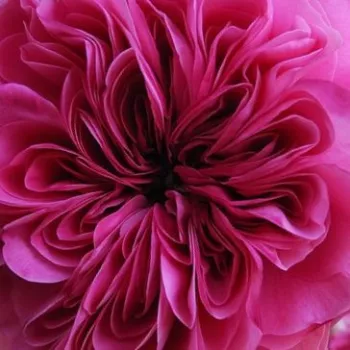
Flower morphology Medium-sized, very full rosette blooms with more than 40 petals, borne mostly solitary on stems, flowering once per season in a concentrated flush rather than repeating later in the year.
Colour data and phenology Crimson-lilac buds open to deep, cool purple-lilac tones, then soften towards mauve-lilac with a light silvery sheen; colour depth varies with weather, being richer in cool spells and gently fading in strong warmth.
Fragrance and aroma Intensely perfumed with a classic, full Damask scent that readily fills surrounding spaces, particularly effective along paths, near doors or by seating areas where the fragrance can be appreciated at close quarters.
Hip characteristics Produces hips only occasionally due to very double flowers; where formed, they are small pear-shaped red–orange fruits, about 16–24 mm, offering modest but attractive late-season ornamental interest.
Resistance and winter hardiness Hardy to approximately −29 to −32 °C (USDA zone 4b, RHS H7), with moderate resistance to black spot, powdery mildew and rust, benefiting from standard monitoring and timely care in humid seasons.
Horticultural recommendations Best as a specimen, hedge or park shrub; suitable for partial shade. Allow 105–190 cm spacing depending on use, and favour deep, well-prepared soil for long-term stability and reduced ongoing maintenance.

Duc de Cambridge offers towering structure, powerful fragrance and enduring own-root reliability for a long-lived, characterful presence in your garden; a thoughtful choice if you value heritage charm and steady, low-fuss growth.
Detailed product attributes

Product Identification Data

Product Name: DUC DE CAMBRIDGE – purple historic Damask rose - Laffay
Product Type: eleanorROSE® ORIGINAL - 2-litre own-root potted rose
Cultivar Authenticity: Verified:28.06.2025
Cultivar Quality Rating: premium silver
Item Number: [1580] 52-603 (14.02.2026) eleanorrose.co.uk

Name and Registration

Meaning of Cultivar Name: The term "Duke of Cambridge" refers to the holder of the British royal title and commemorates Adolphus Frederick.
Cultivar Synonym: Duke of Cambridge; Duchesse de Cambridge
Original Trade Name: Duc de Cambridge
Current Trade Name: Duc de Cambridge Historic rose Laffay
Rose Group: Damask
Commercial Type: historical, damask rose
Commercial Group: Historical rose
Exhibition Category: shrub rose; old garden rose
Collection: Historic rose

Origin and Breeding

Registration Year: unregistered cultivar
Breeder: Jean Laffay
Breeding Company / Institution: unknown / no data
Breeding Year: France, 1840
Parentage: unknown

Growth and Structural Characteristics

Height: 6.6-9.8ft (200-300 cm)
Spread: 4.6-7.2ft (140-220 cm)
Growth Habit: bushy
Foliage: The variety has dense foliage. The leaves have a matte surface and an olive-green hue.
Prickliness: densely thorned
Self-Cleaning Description: The faded petals mostly fall off and the flower heads often form hips.
Self-Cleaning Intensity: Self-cleaning: moderate.

Flower Morphology

Flower Fullness: very full-flowered
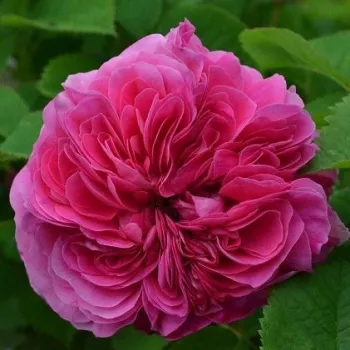
Flower Shape: rosette
Flower Size: M (1,5-2,75 in)
Inflorescence Type: solitary
Colour Code: ARS-kód: M RHS-kód: 71A (outer), 75B (inner)
Repeat Flowering: Non-remontant; blooms once.

Colour Data and Phenology

Colour: crimson-lilac
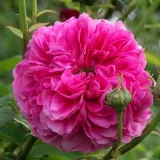
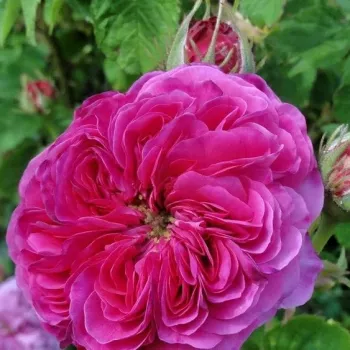
Flower Colour Description: Deep, cool-toned purple base colour. Darker in cool weather; in warm weather it fades slightly to a lilac-pink.
Closed Bud: Dark crimson red with a subtle lilac sheen, carrying an even deeper shade at the tip.
Newly Opened Flower: Rich purple petals characterise it, their outer surfaces darker and their inner surfaces a brighter lilac-pink tone.
Full Bloom: Flat, rosette-shaped flower, the edges of its purple-lilac petals lighten to a paler pink-lilac, with a partly visible yellow‑green staminal ring in the centre.
Before Fading: The petals fade to mauve-lilac with a delicate silvery sheen.
Colour Fading Description: According to the descriptions, its colour varies depending on the weather; in strong sunlight it may become slightly lighter.

Fragrance and Aroma

Fragrance Strength: very strong, garden-filling scented rose
Fragrance Character: full, damask scented
Pollinator Attraction: Its very double flower form makes it only weakly attractive to pollinators, although at full opening the stamens are sometimes visible, as flower form (simple/semi-double/double) and stamen accessibility strongly affect pollinator attraction.
Pollinator-Friendly Rating: Its very double flowers conceal the stamens, therefore not specifically pollinator-friendly.

Hip Characteristics

Hip Shape: pear-shaped
Hip Colour: red-orange
Hip Comment: Due to its double flowers, hips are produced only occasionally; pear-shaped red–orange hips, 16–24 mm in diameter, can be ornamental.

Resistance and Hardiness

Hardiness (°C): -32–-29 °C
Heat and Drought Tolerance Description: No data are available on heat–drought tolerance.
Disease Resistance: moderate
  • powdery mildew – moderate
  • black spot – moderate
  • rust – moderate

Horticultural Recommendations

Recommended Planting Distance: 120 cm for mass planting, 105 cm for hedges, 190 cm as a solitary specimen
Planting Density: in square planting 0,67 plants/m², in hexagonal arrangement 0,77 plants/m²
Partial Shade Tolerance: Suitable for partial shade
Maintenance Requirement: Maintenance requirement medium; occasionally requires plant protection.
Primary Uses: park, specimen, scented garden, hedge

Comments

Strengths: Shapes and contours – Professional expertise
Companion Plants: Carex flacca 'Blue Zinger' - glaucous sedge
Aubrieta gracilis - rock cress
Artemisia vulgaris 'Oriental Limelight' - black mugwort
Comment: -
DUC DE CAMBRIDGE – purple historic Damask rose - Laffay
Deep, cool-toned purple base colour. Darker in cool weather; in warm weather it fades slightly to a lilac-pink. - historical, damask rose - very strong, garden-filling scented rose - full, damask scented
Online rose purchase - crimson-lilac - Duc de Cambridge - historical, damask rose - (6.6-9.8ft (200-300 cm))
Inflorescence: solitary Height: 6.6-9.8ft (200-300 cm) Flower shape: rosette Winter hardiness: - crimson-lilac - - historical, damask rose - Flower size: M (1,5-2,75 in) Flower size: M (1,5-2,75 in) - Height: 6.6-9.8ft (200-300 cm) Height: 6.6-9.8ft (200-300 cm) - Flower fullness: very full-flowered Duc de Cambridge - Roses in the garden | eleanorROSE® Original - premium silver Jean Laffay

We showcase the external appearance of the roses available for online purchase from our webshop.


Which product type is right for you?


Information

In what condition do we send the rose from our online webshop?

Let us ask ourselves the question: What would I like to use the rose for?
Flower? - Location? - Screening? - Fragrance? - Height? - Breeder? - Rose hip?

Information on buying roses
Methods of payment - Delivery costs - Delivery - Complaints handling

Care guide

Our product is a rose grown with pharmaROSA®’s unique cultivation technology!

2-litre, own-root, potted rose.
With a shoot system appropriate to the season.
With a root system that thoroughly permeates the growing medium.
Quality compliant with the requirements of the E.N.A. (European Nurserystock Association).
Supplied in unique packaging that prevents damage.
Can be planted during frost-free periods.
True-to-variety rose bush with a unique identifier.

The pharmaROSA® own-root potted rose is a well-rooted plant that supports reliable establishment when planted and cared for properly, so it can be planted whenever the soil is not frozen.


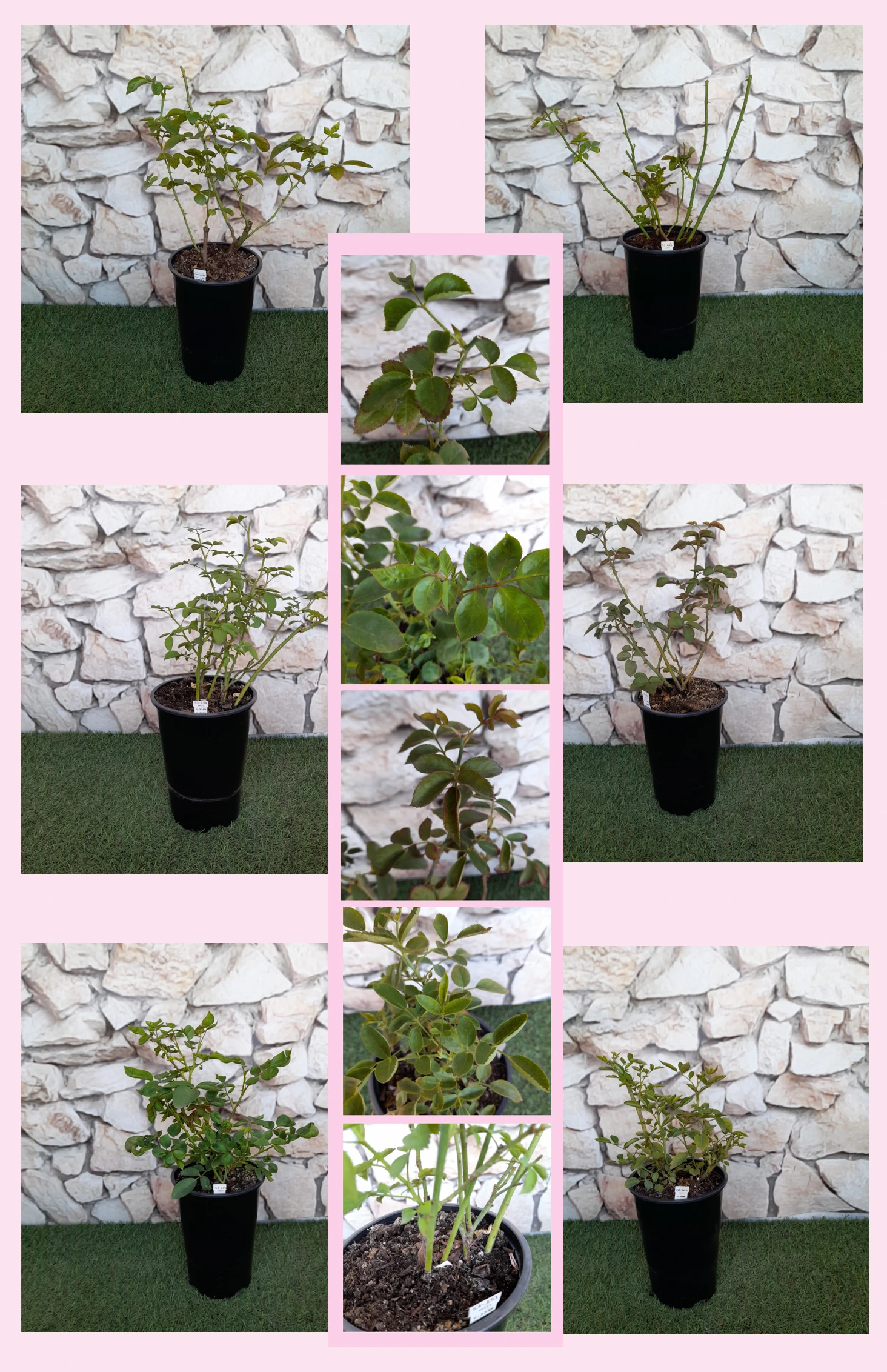
Crop overview: several varieties and growth stages in a short crop section.
Shoot system: intensive growth of fresh basal shoots on a young plant.
Root system: demonstration of a vigorous root system permeating the growing medium, by removing the pot.
Balance: mature plant with root system and shoots in harmony with each other.

Information about the videos
The video series is not a “seasonal showcase”; it illustrates the essence of pharmaROSA® own-root cultivation in a tangible way: how the plant is built up, what the root system is like and how the shoot system regenerates. The recordings were therefore made at different times and with plants at various stages of development, so mixed foliage levels and differing stages of growth may appear in the videos. They are not a ‘sample’ of the batch dispatched, but a visual explanation of how the technology works. The current condition of the rose available to order — typical for the given period and similar to what you can expect to receive in the parcel — is shown in the upper part of the product page.

pharmarosa.compharmarosa.co.ukpharmarosa.ropharmarosa.skpharmarosa.depharmarosa.sipharmarosa.czpharmarosa.atpharmarosa.hrpharmarosa.frpharmarosa.plpharmarosa.itpharmarosa.espharmarosa.bepharmarosa.nlpharmarosa.lupharmarosa.dkpharmarosa.iepharmarosa.grpharmarosa.bgpharmarosa.sepharmarosa.lvpharmarosa.ltpharmarosa.fipharmarosa.eepharmarosa.rupharmarosa.pt

Product types

Pages for private customers
Garden roses for the family garden, with minimal care  → ORIGINAL®
Premium garden roses – instant impact, a truly showpiece garden  → EXTRA®
Pages for professionals and private customers
Roses for public spaces – large areas, sustainable maintenance  → NATURAL®
Roses for projects – hedge and row planting, fast implementation  → RAPID®
For professional partners only
Production – propagation material for garden roses, wholesale  → NEONATAL®

Company details

PharmaRosa Ltd.
Company registration number: 01-09-717479
VAT number: 13075314-2-43
Plant health registration no.: HU130721
Bank account (IBAN):
HU85117631891388688400000000
BIC (SWIFT): OTPVHUHB
Bank name: OTP Bank Nyrt.