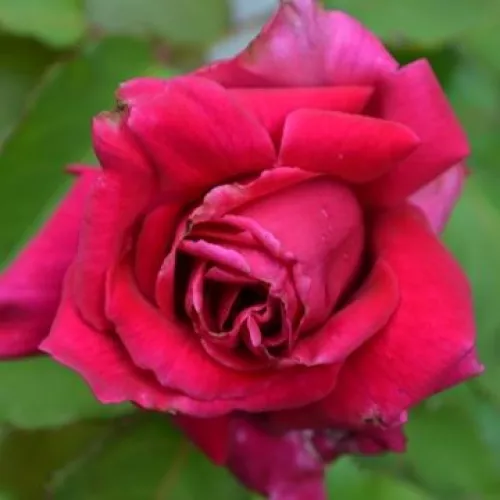
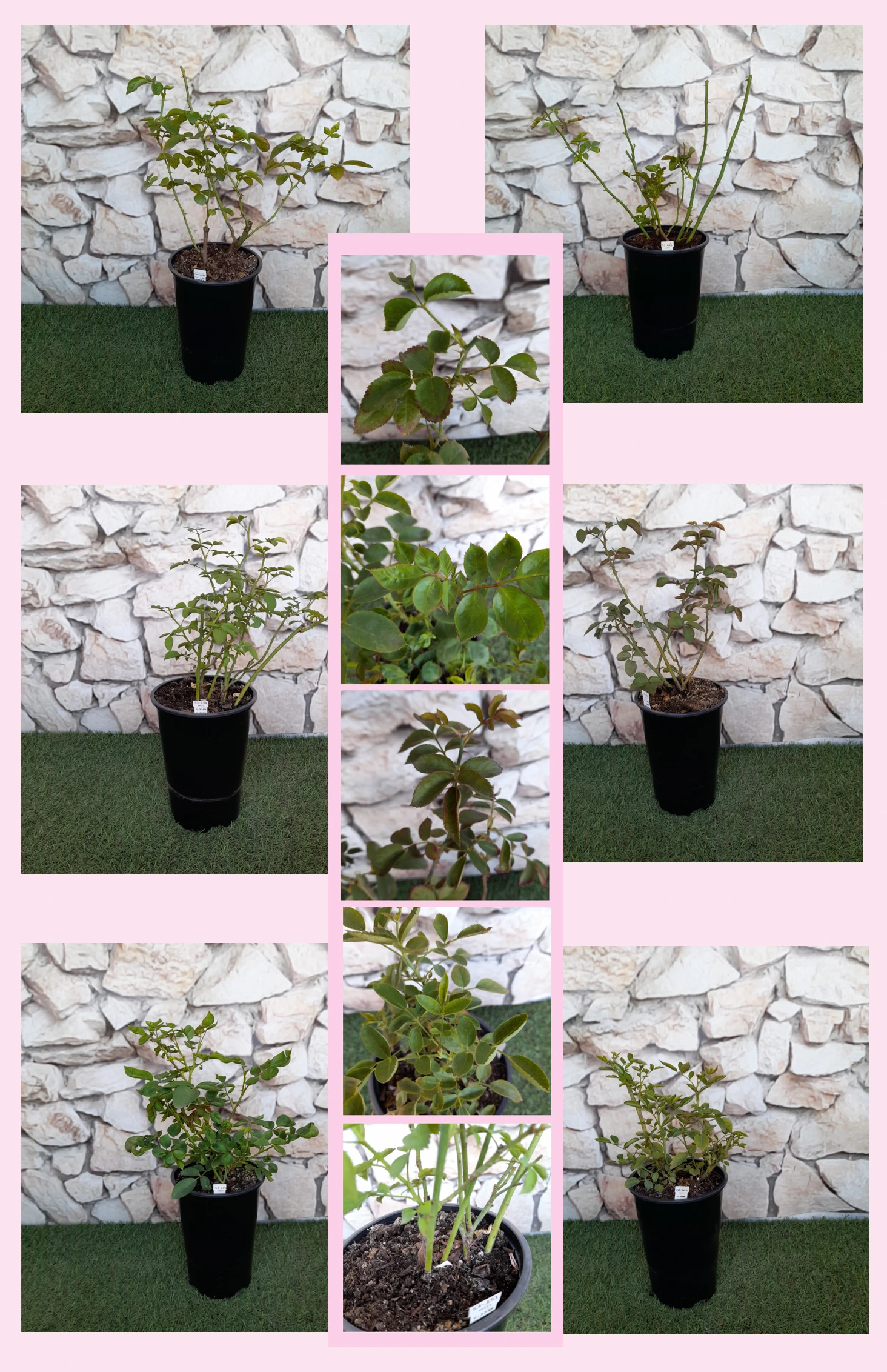
DUCHER 1845 – red hybrid tea rose – Ducher
Imagine a London front garden where a single rose delivers season-long colour, refined structure and head-turning blooms without demanding expert care. DUCHER 1845 is a compact, upright hybrid tea that fits neatly into small beds and rainwater-friendly borders, coping steadily with damp spells and blustery days often linked to coastal weather. Its strong, long-lasting fragrance brings a fruity sweetness you notice each time you pass the front gate, while the velvety red flowers are ideal for cutting and bringing indoors. Planted as an own-root, container-grown rose, it establishes reliably, matures at its own pace and offers a reassuringly long lifespan. With patient planting and simple care you can watch roots settle in year one, shoots and flower volume build in year two, and by year three enjoy the full ornamental impact of a well-formed shrub that supports low-input, sustainable gardens.
Usage options
| Target area | Reasoning |
|---|
| Small London front garden bed |
The compact, upright habit (around 80–110 cm) suits narrow front borders where space is tight yet you still want a striking focal point viewed from pavement and window alike; it creates structure without overwhelming the plot, ideal for beginners. |
| Cutting patch or mixed cutting border |
High‑centred, long‑stemmed blooms make classic, florist-style stems; repeat flowering through the season means regular vases of rich velvety red roses, so one or two plants can supply house flowers for many months for the homeowner. |
| Rainwater-friendly terraced-house front |
Works well in permeable, planted front gardens that replace paving, combining with porous surfaces and planting to slow and absorb runoff, supporting sustainable drainage while providing a strong visual anchor for the urban-dweller. |
| Large container on balcony or doorstep |
Performs attractively in a deep, stable container of at least 40–50 litres, where its bushy, upright form and repeat flowers give long seasonal interest with simple watering and feeding routines, suitable for the busy balcony-owner. |
| Feature plant in a fragrance corner |
The strong, fruity-sweet scent is ideal near seating, paths or doorways, where repeated flushes mean you experience fragrance throughout summer without complex pruning, rewarding the time-pressed garden-lover. |
| Long-term, low-input specimen shrub |
As an own-root rose it ages steadily and recovers well from weather or pruning, maintaining shape and flowering over many years without graft issues, so one carefully sited plant can anchor a border for the sustainability-minded family. |
| Mixed border with resilient companions |
Moderate resistance to black spot and powdery mildew, plus a sturdy shrub form, lets it hold its own among perennials and grasses in typical British conditions of humidity and wind, giving reliable structure for the casual gardener. |
| Clay or chalky soil family garden |
Suited to many UK gardens where heavier or chalky soils and wet spells demand resilient shrubs that establish steadily once drainage is improved, an advantage for those managing realistic conditions in a front-garden. |
Styling ideas
- Classic Entrance – Flank a front path with two DUCHER 1845 and a low edging of lavender for a formal yet easy-care welcome – ideal for time-poor homeowners.
- Romantic Mix – Combine in a narrow bed with soft pink nepeta and airy white verbena for a “girly”, cottage-style look – perfect for terrace residents wanting charm in small spaces.
- Modern Contrast – Pair the velvety red blooms with silvery Artemisia and dark grey gravel for a crisp, contemporary front garden – suited to urban gardeners favouring minimalism.
- Balcony Focus – Plant one shrub in a 50‑litre container with trailing thyme at the rim to soften edges and attract interest – great for balcony owners seeking low-fuss drama.
- Fragrant Corner – Position near a bench with companion herbs like sage and thyme so each flowering flush perfumes your seating area – appealing to hobby gardeners who love scent.
Technical cultivar profile
| Parameter | Data |
|---|
| Name and registration |
DUCHER 1845 is a hybrid tea shrub rose traded as Ducher 1845 Hybrid tea rose Ducher, within the Hybrid tea rose commercial group; exhibition category shrub rose and cut flower type. |
| Origin and breeding |
Bred by Fabien Ducher at Roseraie Ducher, Châteauneuf, Loire, France; introduced and registered in 2014, commemorating 170 years since the founding of the historic Ducher Rose Garden. |
| Growth and structural characteristics |
Upright, bushy shrub reaching about 80–110 cm high and 65–95 cm wide, with moderately dense, slightly glossy dark green foliage and moderate prickliness, forming a tidy, structural garden plant. |
| Flower morphology |
Large, double, solitary hybrid tea blooms with 26–39 petals, high‑centred and pointed in classic cut‑rose style; remontant habit with an abundant second flush and strong repeat over the season. |
| Colour data and phenology |
Deep velvety red with a subtle purple undertone; buds open intense scarlet, deepen to velvety crimson, then soften to muted cherry red with lighter edges before petals finally fade and drop. |
| Fragrance and aroma |
Strong, long-lasting fruity-sweet fragrance, noticeable both in the garden and when used as a cut flower; a distinctive scented-rose character that adds value in fragrance borders and near paths. |
| Hip characteristics |
Occasional bright red spherical hips, around 10–14 mm across, forming where flowers are not deadheaded; modest ornamental interest and potential wildlife value late in the season. |
| Resistance and winter hardiness |
Moderate overall disease resistance; good resistance to powdery mildew and black spot, moderate against rust. Hardy to approximately –21 to –18 °C, corresponding to RHS H7 and USDA Zone 6b. |
| Horticultural recommendations |
Best in fertile, well-drained soil with sun or light shade; spacing 50–90 cm depending on use. Medium maintenance with occasional plant protection; suitable for beds, specimens, and cutting gardens. |
DUCHER 1845 gives compact, velvety red, strongly scented flowers on a long-lived own-root shrub that settles in steadily and rewards simple care over many years, making it a thoughtful choice for your next planting decision.