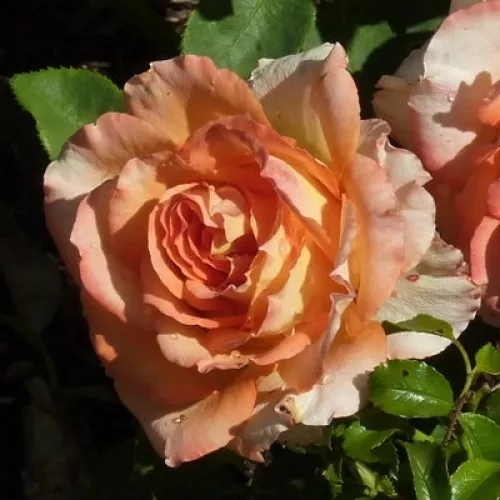
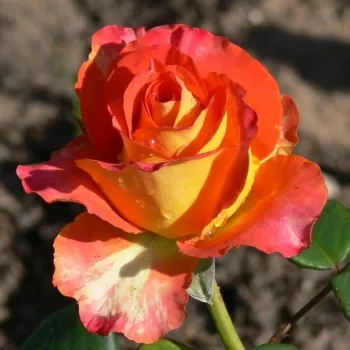
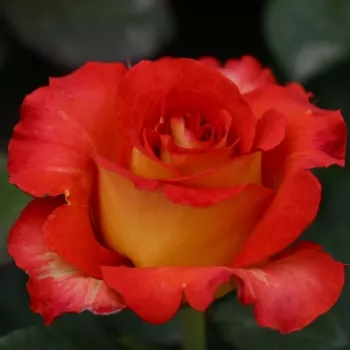
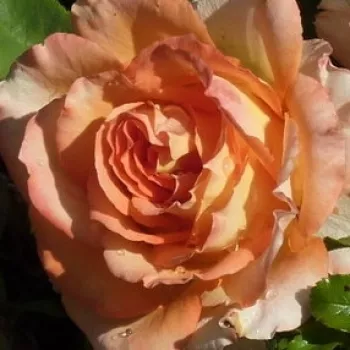
ELISABETH VON THÜRINGEN – golden-orange hybrid tea rose
Breathe in the quiet charm of rain-washed petals as Elisabeth von Thüringen settles effortlessly into a modest front garden, bringing balance and soft golden-orange light to even narrow London plots where you are managing persistent wind and heavy soil after wet spells; its compact, bushy growth and easy care habit make it simple to keep tidy beside a path or doorstep, while the moderate height is ideal where space is limited but you still want classic, high-centred blooms for cutting; as an own-root rose it offers reassuring longevity and stable flowering, steadily building roots, then framework, then full display over the first three seasons, so you can plan a more sustainable planting with long-term structure, using peat-free compost, good drainage and captured rainwater to support healthy, dark green foliage and reliable summer colour year after year.
Usage options
| Target area |
Reasoning |
| Front garden feature rose |
The bushy, compact habit and large, high-centred flowers give immediate structure and elegance beside a path or front door, without overwhelming a small urban plot, suiting low-fuss planting plans for the time-pressed homeowner. |
| Long-season colour in mixed beds |
Remontant flowering with a generous second flush means colour returns reliably through summer, extending interest between shrubs and perennials so borders never look bare, particularly valued by the weekend-only gardener audience. |
| Cut-flower corner in family gardens |
Large, high-centred blooms on straight stems lend themselves to cutting, allowing regular vasefuls from a compact space, ideal for those wanting home-grown roses for the table without dedicating a full cutting garden buyer. |
| Space-efficient narrow borders |
With a spread of only 35–50 cm and height up to 75 cm, this rose fits slim beds along drives or terraces, providing ordered structure and tidy lines that suit small plots and neat, low-maintenance schemes for the urban gardener. |
| Own-root, long-lived planting schemes |
As an own-root plant it regenerates well from the base and maintains its variety-true form over time, supporting durable designs and reducing replacement needs for those planning long-term, resilient gardens planner. |
| Rainwater-conscious front gardens |
Performs well where you manage wetter periods and denser soils through good drainage and rainwater capture, fitting thoughtful, soil-friendly front gardens that work with the local climate rather than against it for the eco-aware owner. |
| Peat-free container rose (large pots) |
Grows happily in a 40–50 litre or larger container with peat-free compost and regular rainwater, bringing classic hybrid tea blooms to balconies or paved forecourts where in-ground planting is limited for the space-conscious resident. |
| Family-friendly, manageable maintenance |
Medium maintenance and moderate thorns make seasonal care straightforward, especially when combined with simple pruning and basic disease monitoring, suiting beginners seeking a reliable rose without complex routines beginner. |
Styling ideas
- Pathway – Line a short front path with Elisabeth von Thüringen and soft blue Nepeta for a fragrant, textural edge – ideal for busy households wanting tidy structure with low effort.
- Balcony – Plant one shrub in a 50 litre pot with trailing thyme to spill over the rim – perfect for flat-dwellers seeking a single elegant statement rose.
- Heritage – Combine with lavender and sage in a small formal square bed to echo classic cottage gardens – suited to owners of period terraces wanting traditional charm.
- Colourist – Set its golden-orange blooms against dark-leaved Euonymus fortunei ‘Minimus’ for strong contrast – good for design-conscious gardeners who enjoy bold yet compact planting.
- Family – Create a small cutting patch with Coreopsis grandiflora and Verbena hastata ‘Blue Spires’ – appealing to families who like to pick cheerful, home-grown bouquets together.
Technical cultivar profile
| Characteristic |
Data |
| Name and registration |
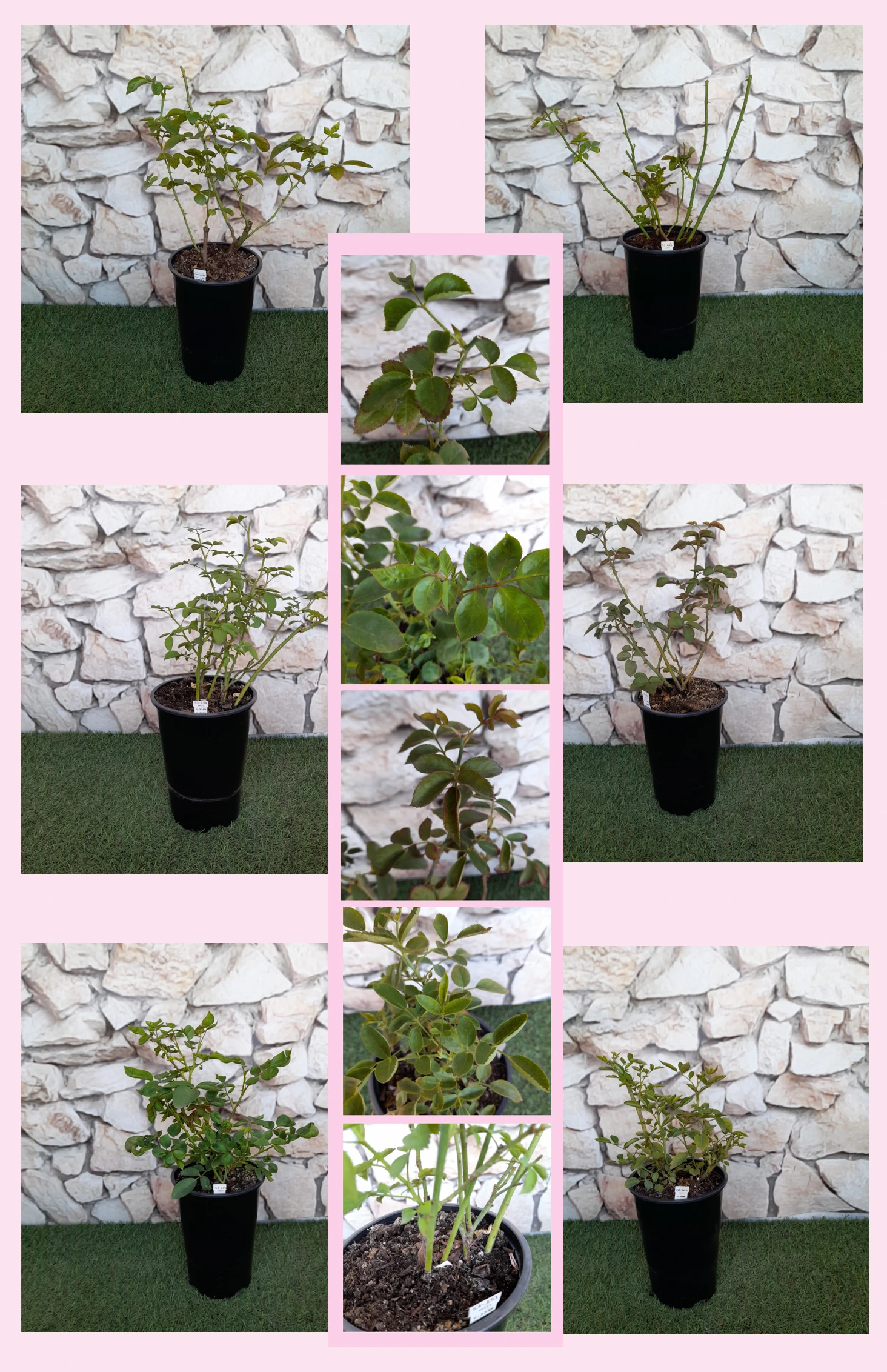
Hybrid tea rose group; registered as DICkarl, marketed as Elisabeth von Thüringen – golden-orange hybrid tea rose – Dickson; own-root, container-grown in pharmaROSA ORIGINAL 2-litre format. |
| Origin and breeding |
Bred by Colin Dickson in Germany, 2007; hybrid tea type with unknown parentage and limited published breeding data; introduced later to consumer markets as a garden and cutting rose. |
| Growth and structural characteristics |
Compact, bushy shrub 50–75 cm tall and 35–50 cm wide, with moderately dense, glossy dark green foliage and moderate prickliness; well suited to beds, borders and generous containers. |
| Flower morphology |
Large, double, high-centred blooms with 26–39 petals, borne mainly solitary on stems; classic pointed-bud hybrid tea form, remontant with a notably abundant second flowering phase in season. |
| Colour data and phenology |
Warm golden-yellow base with vivid orange and red-edged petals; deep red buds open to golden-orange, later softening to peachy-rose as the red edge diffuses; ARS code ob, RHS 24A and 46A tones. |
| Fragrance and aroma |
Fragrance is very weak and barely perceptible, primarily bred for ornamental colour impact and flower form rather than scent; best chosen where visual effect and structure matter more than perfume. |
| Hip characteristics |
Due to the double flowers, hip set is modest; occasional small, spherical orange-red hips 10–14 mm in diameter may form, adding discrete autumn interest without dominating the plant’s character. |
| Resistance and winter hardiness |
Rated to approximately –21 to –18 °C (RHS H7, Swedish zone 3, USDA 6b); medium disease resistance to powdery mildew, black spot and rust, benefitting from standard preventative care routines. |
| Horticultural recommendations |
Prefers a sunny position with well-drained soil; medium maintenance, with periodic plant protection as required; plant 30–45 cm apart depending on use, at 12.8–14.7 plants per m² for mass effects. |
ELISABETH VON THÜRINGEN offers compact, long-season colour and classic cutting blooms on a resilient own-root shrub, making it a thoughtful choice for enduring, easy-care front gardens and containers.