EPI D'OR – yellow hybrid‑tea rose – Delbard
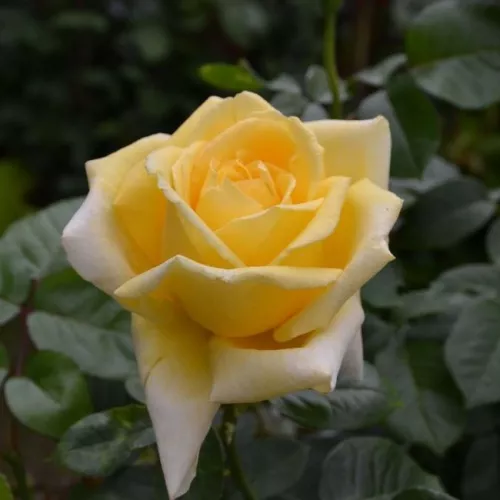
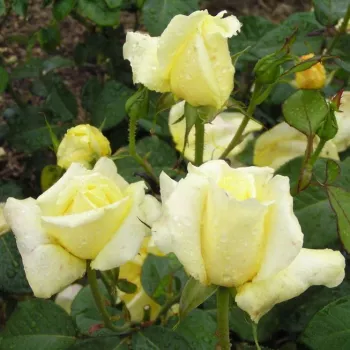
Imagine your London front garden after rain, the paving still damp, as the luminous yellow blooms of EPI D'OR catch the light with a gentle, fruity fragrance and quietly refined elegance. This compact hybrid tea is bred for repeat flowering, sending up one perfectly formed, extra-large bloom per stem for vases and doorstep display, while its bushy habit fits easily into small, rainwater-wise spaces coping reliably with wet, heavy soil and coastal weather. Own-root planting supports long-term resilience, helping the shrub recover from pruning and minor winter damage, and its moderate, manageable maintenance suits busy city gardeners who simply deadhead and feed. In the ground or a generous 40–50 litre container, you can look forward to increasing impact as roots establish, then stronger shoots, then full ornamental value by the third year, making it a thoughtful, value-driven choice for sustainable, family-friendly gardens.
Usage options
| Target area | Reasoning |
|---|
| London terraced-house front garden |
The compact, bushy shrub stays within 55–85 cm, giving neat structure without overwhelming a small frontage, while the XL, exhibition-quality yellow blooms provide classic kerb appeal with little more than regular deadheading, ideal for the busy urban gardener. |
| Rainwater-conscious city border |
Planted into improved heavy clay or chalk, EPI D'OR copes well with typical UK rain, wind and splashing from pavements, forming a stable own-root framework that rebounds after harsher winters and offers reliable colour in sustainable, low-lawn planting for the eco-aware homeowner. |
| Statement rose in a large container |
In a 40–50 litre peat-free pot with good drainage, one shrub delivers a succession of large, luminous yellow flowers at eye level, perfect for a paved front garden or balcony where you want maximum effect from minimal space and simple care as a beginner gardener. |
| Cut-flower corner by the front path |
As an exhibition-bred hybrid tea with solitary, long-stemmed blooms, this rose is excellent for cutting, giving you armfuls of warm yellow flowers for the house from a small planting area when combined with straightforward pruning for the practical flower lover. |
| Low, formal rose row along a drive |
Regular 60–100 cm spacing creates an orderly, low hedge of matching blooms; its moderate thorniness and tidy growth habit make day-to-day upkeep manageable, adding smart structure that still feels welcoming for the family-focused owner. |
| “Girly” pastel-and-yellow front garden scheme |
The radiant yellow flowers soften beautifully with pinks and mauves, while the mid-green, matt foliage forms a calm backdrop, giving a romantic yet not fussy look that pairs well with lavender or nepeta for the style-conscious city gardener. |
| Long-term, low-fuss feature shrub |
As an own-root rose, EPI D'OR builds a durable framework, regenerates well from the base after harder pruning, and avoids suckering from a rootstock, keeping its shape and colour consistent year after year for the value-driven planter. |
| Weather-tolerant accent in exposed spots |
This hardy H7 shrub, bred in France, endures typical British winters and breezier, more humid conditions with moderate disease resistance, giving dependable performance where more delicate roses may struggle for the coastal or windy-site gardener. |
Styling ideas
- Doorstep Drama – Train one shrub in a 50 litre pot by the front step, underplanted with soft Stachys byzantina so the luminous yellow flowers greet you every time you come home – ideal for the urban homeowner.
- Sunny Ribbon – Line a narrow front border with three evenly spaced plants, then weave in Geranium x cantabrigiense for a low, soft edge that contrasts with the crisp hybrid-tea blooms – perfect for small-family gardens.
- Gold and Grey – Combine EPI D'OR with silvery foliage and gravel mulch in a rainwater-friendly bed, allowing runoff from paving to feed the soil while the rose provides height and classic form – suited to sustainability-minded designers.
- Cutting Nook – Dedicate a tiny side strip to two or three shrubs, giving you a steady supply of long stems for vases without sacrificing space in the main garden – great for beginners who love homegrown flowers.
- Balcony Focus – Place a single plant in a deep 45 litre container with trailing Waldsteinia ternata, so the cheerful yellow hips and flowers sit above a golden carpet – appealing to compact-space gardeners.
Technical cultivar profile
| Parameter | Data |
|---|
| Name and registration |
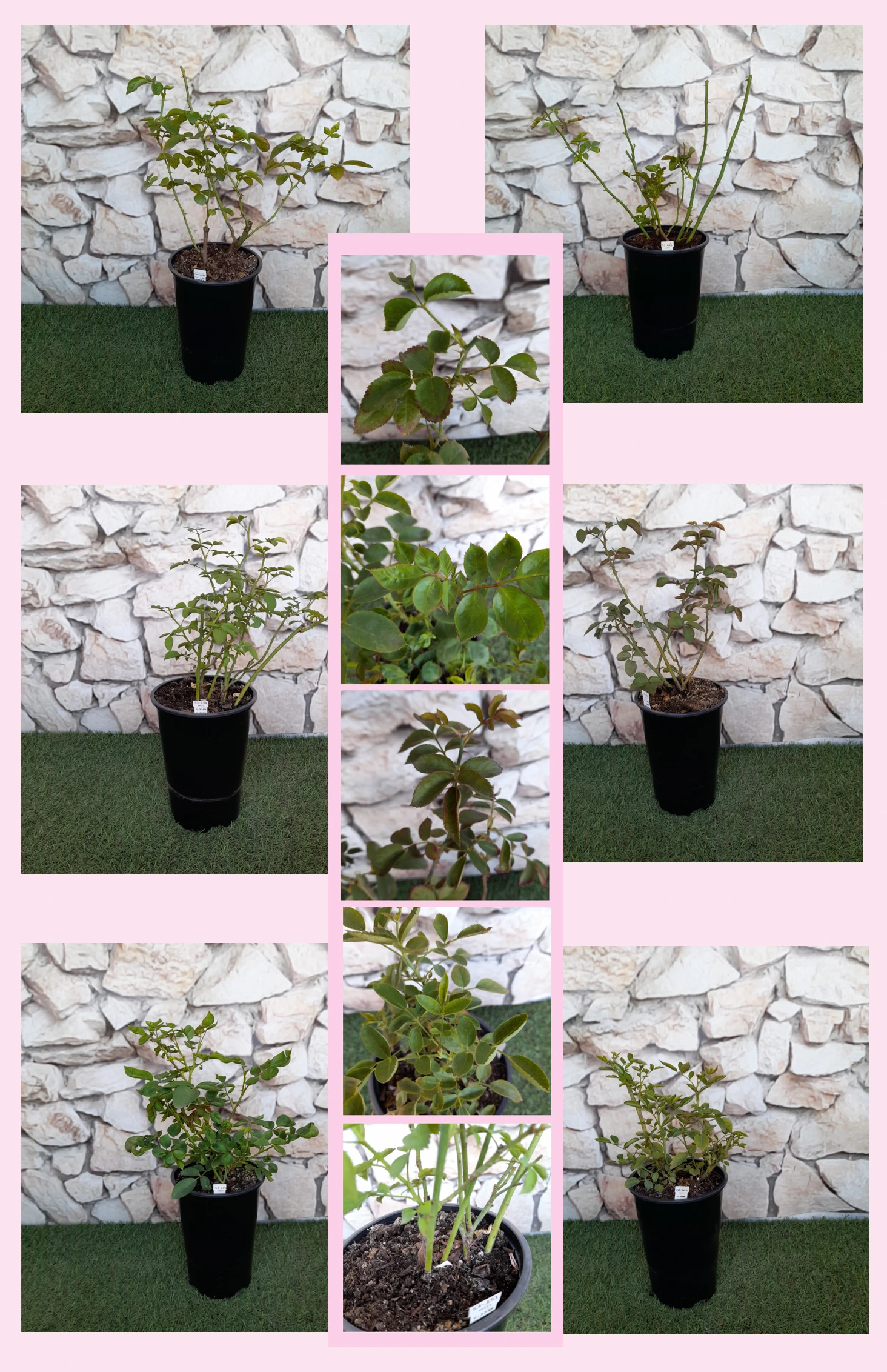
Hybrid tea rose, registered as DELépi, marketed as EPI D'OR / Épi d'Or within the Grands Parfums collection; verified premium cultivar for own-root 2-litre container production. |
| Origin and breeding |
Bred by Georges Delbard in France from complex hybrid-tea parentage, introduced by Delbard in 1982; selected for bloom quality, colour stability and refined fragrance. |
| Awards and recognition |
Gold Medal and Plus Belle Rose de France, Lyon Rose Competition 1981, and Gold Medal, Rome Rose Competition 1981, underlining its ornamental and exhibition value. |
| Growth and structural characteristics |
Bushy, upright shrub 55–85 cm high and 50–70 cm wide, with moderately dense, matt mid-green foliage and moderate prickliness; suited to borders, low hedging and containers. |
| Flower morphology |
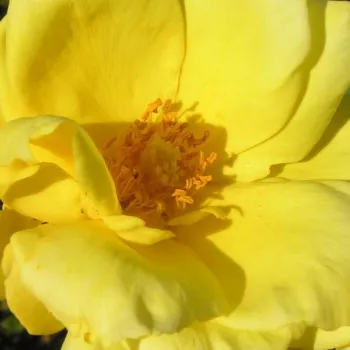
Extra-large, double, cup-shaped solitary blooms with approximately 26–39 petals; remontant, with plentiful second flush and strong stem presentation for cutting and display. |
| Colour data and phenology |
Uniform medium yellow (RHS 14A–14B) with warm luminosity; colour remains stable with minimal fading, lightening only slightly towards lemon-yellow as the bloom ages. |
| Fragrance and aroma |
Pleasant, mild fruity fragrance that is noticeable at close range without overpowering; ideal for paths, entrances and cut flowers where a gentle scent is preferred. |
| Hip characteristics |
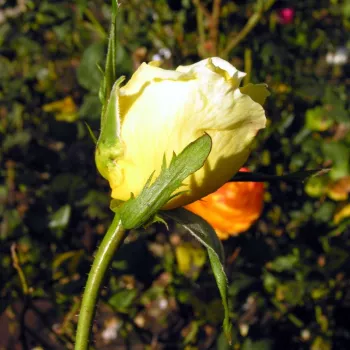
Occasional ellipsoid hips, 15–21 mm, orange-red at maturity; a subtle seasonal feature rather than a heavy-fruiting variety, adding interest into early winter when present. |
| Resistance and winter hardiness |
Hardy to approximately −21 to −18 °C (RHS H7, USDA 6b) with moderate resistance to black spot, powdery mildew and rust; benefits from routine hygiene and monitoring. |
| Horticultural recommendations |
Plant 50–100 cm apart depending on use; prefers well-drained yet moisture-retentive soil, regular deadheading and balanced feeding; moderate maintenance with occasional treatments. |
EPI D'OR offers luminous long-stemmed yellow blooms, compact, easy-care growth and durable own-root performance, making it a thoughtful choice for gardeners seeking long-lived colour with modest effort.