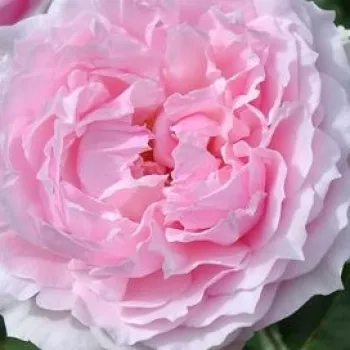
EURIDICE – pink bedding floribunda rose – Kimura
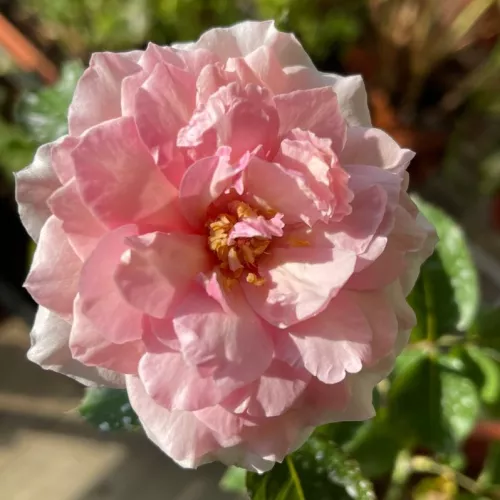
With its softly cupped pale-pink blooms and strong, fruity fragrance, EURIDICE brings a sense of post-rain balance to compact London front gardens and small family plots, even where wind and wet spells are frequent in cooler seasons. This own-root floribunda settles in steadily, giving you reassuring longevity, graceful regrowth after pruning, and a naturally upright habit that fits narrow beds or paths. The moderately dense, dark green foliage adds year-round structure, while low-maintenance, disease-resilient growth under typical UK conditions supports relaxed gardening with peat-free compost and simple rainwater use. Ideal for containers of at least 40–50 litres or flowerbeds, it’s designed for an easy first year of rooting, a more confident second year of leafy shoots, and a third year of full abundance in bloom.
Usage options
| Target area | Reasoning |
|---|
| Urban front garden beds |
The upright, medium-height habit and moderately dense foliage create a structured flowering strip that reads clearly from the pavement without overpowering a narrow front garden. Low maintenance and reliable flowering suit busy urban homeowners |
| 40–60 litre containers on patios or balconies |
EURIDICE performs well in large pots where a 40–50 litre volume of peat‑free mix and steady rainwater use help buffer roots from temperature swings and wet, breezy conditions common in exposed city spots, ideal for balcony gardeners |
| Flowerbed focal point in family gardens |
The translucent pale pink flowers, dark green leaves and strong fragrance create a calm focal point beside a seating area or along a path, while own‑root resilience supports long-term enjoyment for family garden owners |
| Mixed floribunda rose borders |
Stable height, upright structure and regular remontant flowering make it easy to place with other floribundas, maintaining an even top line and a continuous show with minimal pruning for hobby rose enthusiasts |
| Low, informal hedging |
Recommended planting distances make it simple to build a low, gently flowering hedge that clips neatly, with own‑root plants recovering evenly after pruning to preserve shape for practical home gardeners |
| Rain-aware, sustainable front gardens |
Suitability for large containers or raised beds allows better drainage on heavy clay while using collected rainwater effectively, supporting greener, low-input planting schemes for sustainability-minded residents |
| Cut flowers from a small plot |
The medium, full, cup-shaped blooms with a strong sweet, fruity rose scent are excellent for short-stem cutting from limited space, giving regular vases indoors without specialist techniques for occasional home florists |
| Low-intervention starter rose for beginners |
Low maintenance needs, good black spot and rust resistance, and gradual performance building over the first three seasons make EURIDICE a forgiving introduction to rose growing for new gardeners |
Styling ideas
- Soft-Pink Ribbon – Line a narrow London front path with EURIDICE underplanted with low Calamintha nepeta ‘Blue Cloud Strain’ to echo the pale pink blooms – ideal for townhouses wanting gentle structure.
- Balcony Showcase – Plant one EURIDICE in a 50–60 litre pot with trailing thyme around the base for scent and easy care – suited to balcony owners seeking a single, reliable statement rose.
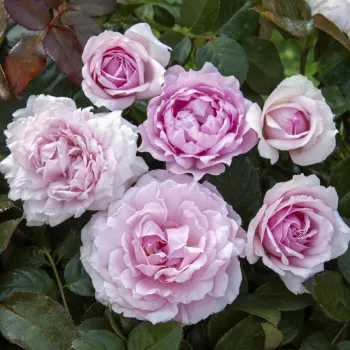
- Romantic Trio – Group three roses in a small bed with Gypsophila ‘Festival Pink Lady’ to soften edges and create a pastel, cloud-like look – perfect for beginners favouring a “girly”, romantic style.
- Family Scent Corner – Place EURIDICE by a bench with lavender and sage for fragrance and year-round texture – good for family gardens that want relaxation with minimal upkeep.
- Modern Meadow Edge – Combine EURIDICE with Echinacea ‘Big Kahuna’ and Nepeta for a soft, meadow-like border that still feels ordered – for sustainability-focused gardeners balancing wildness and clarity.
Technical cultivar profile
| Characteristic | Data |
|---|
| Name and registration |
Floribunda bed rose, collection Rosa del Giappone; registered as KIMcoeur and traded as Euridice, Euridice Rosa del Giappone and KIMcoeur for garden and flowerbed use. |
| Origin and breeding |
Bred by Takunori Kimura for the Rosa Orientis programme in Japan, with garden introduction in 2016; precise parentage and registration year have not been disclosed. |
| Growth and structural characteristics |
Medium bushy plant with upright habit, roughly 90–130 cm high and 55–85 cm wide, moderately dense, slightly glossy dark green foliage and comparatively sparse prickles on the main shoots. |
| Flower morphology |
Full, cup-shaped clusters of medium-sized blooms, typically 26–39 petals; freely flowering throughout the season with a notable second flush, borne in floriferous clusters on sturdy stems. |
| Colour data and phenology |
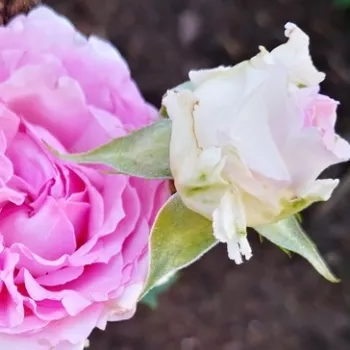
Pale pastel pink with ARS LP and RHS 62C–62D tones, deepening slightly at the centre; edges and petal bases lighten to creamy near-white as flowers mature and finally fade softly. |
| Fragrance and aroma |
Strong, sweet, fruity rose fragrance noticeable at close range and around seating areas; one of the more scented floribundas suitable both for gardens and casual cutting for the home. |
| Hip characteristics |
Limited hip set due to the full, many-petalled form; occasional small, spherical, bright-red hips around 10–14 mm may appear, adding a light decorative touch in late season. |
| Resistance and winter hardiness |
Rated to approximately −15 to −12 °C (RHS H6, Sweden Zon 2, USDA 7b); resistant to black spot and rust, with moderate powdery mildew resistance and good tolerance of summer heat. |
| Horticultural recommendations |
Best in full sun with spacing adapted to use; suitable for beds, low hedging, containers and cutting, with low maintenance needs and generally modest intervention under normal garden care. |
EURIDICE offers fragrant pale-pink clusters, low-maintenance resilience and long-term own-root reliability, making it a considered choice for relaxed, elegant planting you can enjoy for years.