BLUE EYES – lilac-white bedding floribunda rose - James
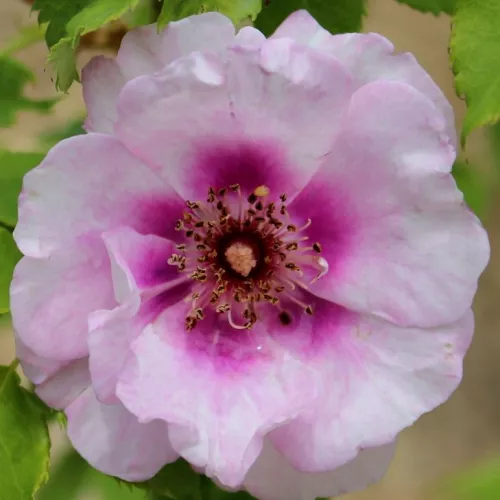
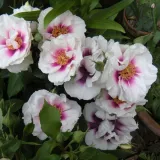
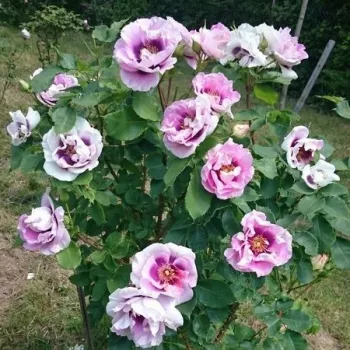
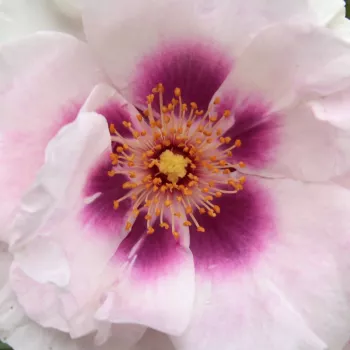
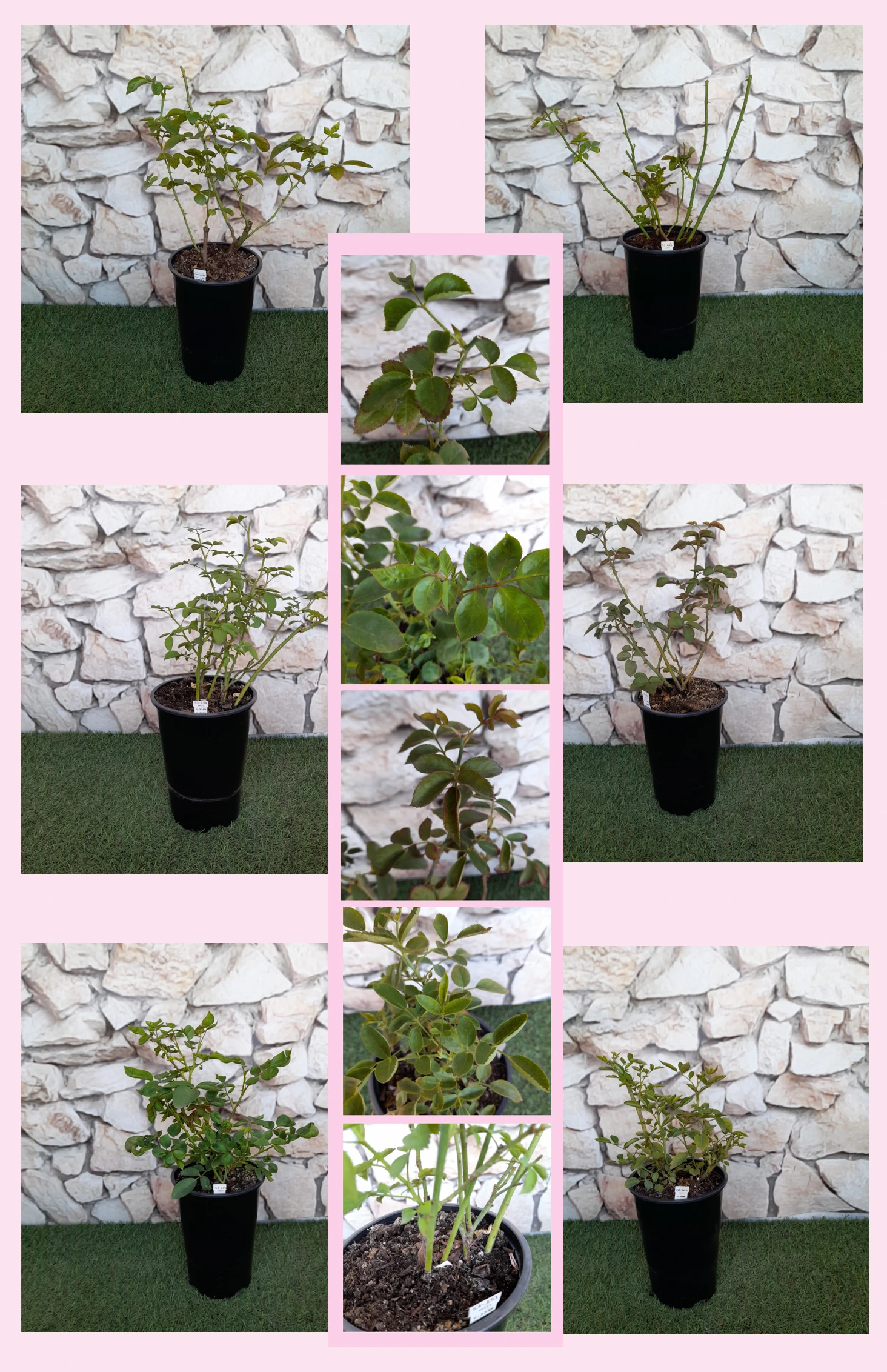
With its distinctive lilac-white petals and dark central “eye”, Blue Eyes brings an immediate sense of character to compact London front gardens and small family plots. This compact, bushy floribunda produces generous clusters of semi-double blooms with a strong, fresh, lemony fragrance, creating the impression of walking a path scented after summer rain while the rose quietly copes with blustery showers and cool, damp coastal weather. As an own-root shrub it is bred for long lifespan, holding its shape and colour impact over many years with only modest routine care. Year by year it settles in: first directing energy to root development, then building confident leafy growth, and by the third season delivering its full ornamental display. Partially open flowers offer accessible pollen, giving this rose useful value in wildlife-friendly planting schemes and rainwater-conscious, sustainable urban designs.
Usage options
| Target area |
Reasoning |
| Front garden bedding in small urban plots |
The compact, bushy habit and medium height make Blue Eyes ideal for narrow London front gardens, where it forms neat, colourful cushions along paths or behind low walls without overwhelming the space, suiting time-poor city homeowners. |
| Containers and large patio pots |
Its floribunda flowering and dense foliage work well in a 40–50 litre container, giving stable structure and scented colour on balconies or paved courtyards with only moderate feeding and watering, appealing to balcony-based urban gardeners. |
| Low-maintenance mixed borders |
Moderate self-cleaning and remontant flowering mean deadheading is occasional rather than constant, while own-root growth recovers well from accidental damage, suiting those wanting relaxed colour without intensive pruning, especially novice gardeners. |
| Pollinator-friendly family gardens |
Semi-double, open blooms with accessible stamens and a prominent “eye” offer nectar and pollen as well as visual drama, fitting designs where children can enjoy both wildlife and showy flowers in a single, easy-care rose, encouraging nature-curious families. |
| Rainwater-aware coastal and humid sites |
The variety tolerates British changeable summers and moist air, coping reliably with exposed, breezy positions that shed heavy rainfall quickly, provided the soil drains reasonably well, reassuring sustainability-minded coastal residents. |
| Season-long colour in small beds |
With a strong first flush and an abundant second, this rose keeps lilac-white and mauve-toned flowers appearing from early summer into autumn, providing evolving visual interest in small spaces for colour-focused but busy owners. |
| Long-term structural planting |
The own-root form supports a longer-lived shrub that maintains its compact framework and can regenerate from the base after hard pruning or winter damage, a sound investment for those planning durable planting schemes, particularly practical planners. |
| Informal hedging and repeated accents |
Regular spacing at 50–60 cm creates a low, loosely flowering line or repeating clumps that visually link different parts of the garden, giving rhythm and definition without demanding formal clipping, attractive to style-conscious but time-limited beginners. |
Styling ideas
- Urban drift – Thread Blue Eyes through a gravel strip with lamb’s ear and Irish moss for a soft, informal look that handles summer showers well – ideal for terrace-house front-garden owners.
- Patio focus – Plant a single shrub in a 50 litre clay pot with low Carex and trailing thyme to frame a seating area – perfect for small patios needing one reliable focal rose.
- Soft hedge – Repeat Blue Eyes at 50 cm intervals along a short path, underplant with low Nepeta for fragrance and pollinators – suited to families wanting a friendly, welcoming entrance.
- Cottage pocket – Combine with lavender, sage and airy grasses in a tiny border to create a romantic, low-fuss bed – good for beginners aiming for classic charm with simple care.
- Contemporary contrast – Use Blue Eyes in a minimalist scheme with slate chippings, glaucous sedges and steel planters for a cool, architectural feel – aimed at design-led urban homeowners.
Technical cultivar profile
| Property |
Data |
| Name and registration |
Floribunda bedding rose, Hybrid Hulthemia persica group; registered as PEJbigeye, marketed as Blue Eyes and also known at shows as Eyes for You, for general garden bed and border use. |
| Origin and breeding |
Bred by Peter Joseph James in the United Kingdom from (‘SCRivbell’ × ‘Tingle’) × ‘Blue for You’; raised 2004, introduced and registered 2009 via C & K Jones for garden distribution. |
| Awards and recognition |
Recognised internationally with a Certificat de Mérite at Bagatelle, Paris in 2011, and a Silver Medal at the Nagaoka International Fragrant Rose Trials, Echigo Hillside, Japan, in 2012 for ornamental and scent quality. |
| Growth and structural characteristics |
Compact, bushy shrub reaching around 70–95 cm in height and 60–90 cm spread, with dense, glossy dark green foliage and moderate prickliness, forming tidy, well-branched mounds in beds or large containers. |
| Flower morphology |
Semi-double, cup-shaped cluster blooms, typically 13–25 petals, large-flowered for a bedding rose, with remontant behaviour and an abundant second flush providing repeated displays through the main growing season. |
| Colour data and phenology |
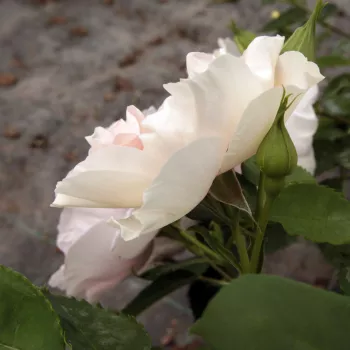
Pale lilac-white petals (RHS 76C, 79A) with a dark crimson to violet-purple central eye; colours fade softly to near-white with a muted mauve eye as flowers age, giving changing bicolour effects across the cluster. |
| Fragrance and aroma |
Strong, fresh, lemony fragrance noted as pronounced for a bedding floribunda; the open, semi-double form allows scent to disperse well around paths, seating areas and entrances during warm, still conditions. |
| Hip characteristics |
Produces moderate quantities of small spherical hips approximately 6–8 mm in diameter, coloured orange-red, which can add subtle seasonal interest in late summer and autumn if spent blooms are not removed. |
| Resistance and winter hardiness |
Hardy to approximately –21 to –18 °C (RHS H7, USDA 6b, Swedish Zone 3); disease resistance is moderate to black spot, mildew and rust, best performance achieved with good air movement and balanced watering. |
| Horticultural recommendations |
Suited to sunny beds, borders, parks and large containers; plant 50–95 cm apart depending on use, in well-drained soil, with medium maintenance including occasional plant protection and periodic deadheading for best display. |
BLUE EYES offers compact structure, strong lemony fragrance and repeat flowering in a durable own-root form, making it a thoughtful choice for long-lived, low-fuss colour in smaller gardens and patios.