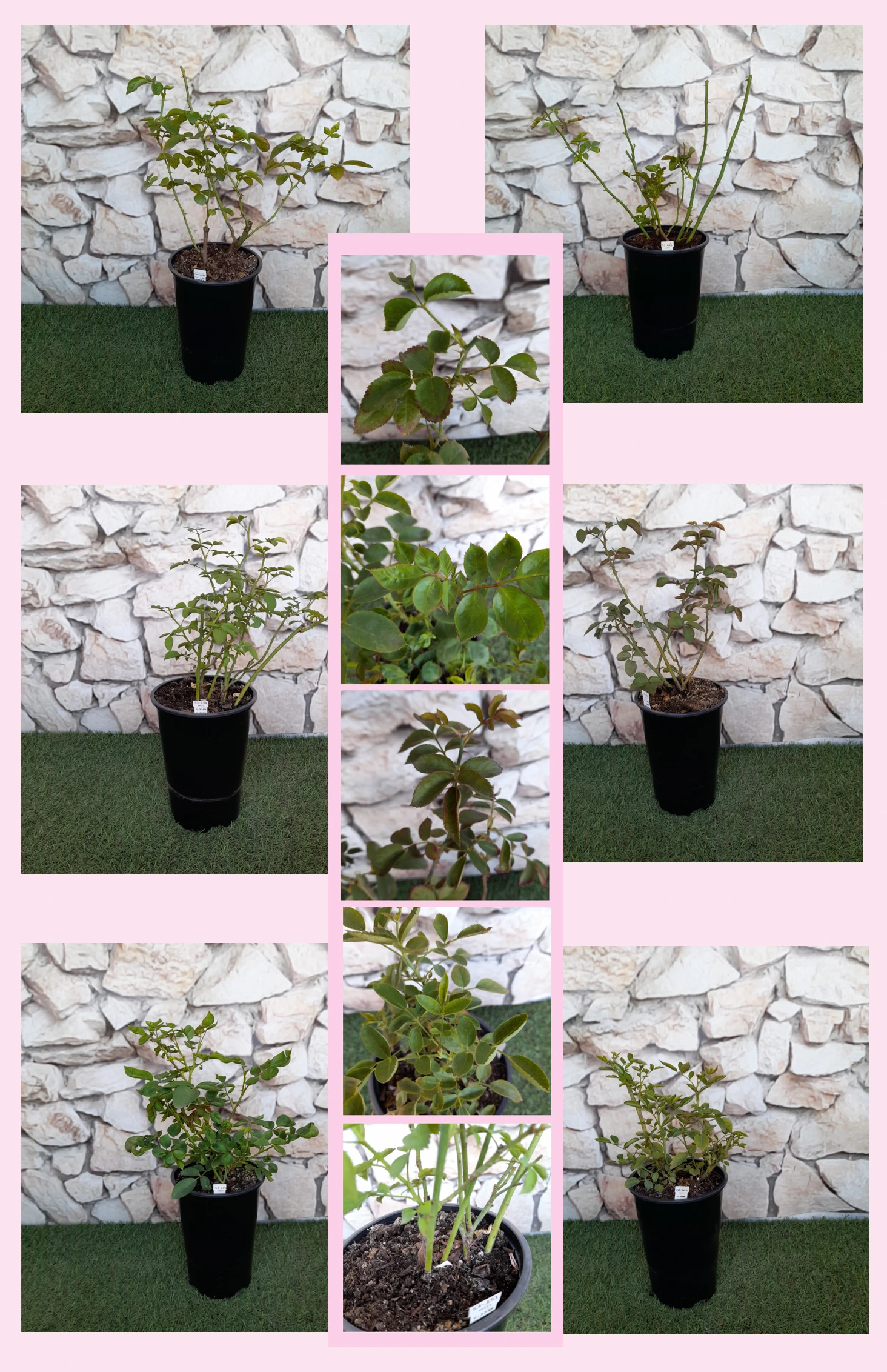
LOUISE BUGNET – white park rose
With its pure white blooms and strong fragrance, Louise Bugnet offers an easy, romantic way to green a small London-style front garden while coping reliably with cool summers and frequent rain, even where wind and poor drainage can challenge other shrubs. This upright, compact hybrid rugosa forms a dense, matt grey-green backdrop that looks quietly balanced against brick, paving and recycled gravel, creating a calm, “girly” cottage note without needing intricate pruning. Planted in a peat-free mix and watered mainly with stored rainwater, it settles steadily: Year one for roots, year two for stronger shoots, and by year three a full, stable ornamental presence that anchors the whole planting. Naturally cold-hardy and heat-tolerant, this sparsely thorned rose is well suited to narrow front beds or large 40–50 litre containers, supporting low-input, sustainable choices for busy households.
Usage options
| Target area | Reasoning |
|---|
| Front garden feature shrub |
The upright yet compact habit makes this rose ideal as a focal shrub beside the front door or between town-house bay windows, offering repeat white blooms and scent with only light, annual shaping for beginners. |
| Low-maintenance hedge |
Planted at the recommended spacing, its dense foliage and good self-cleaning habit form a soft, informal hedge that screens bins and boundaries with minimal deadheading, well suited to time-pressed urban families. |
| Mixed flowerbed in heavy soil |
This variety copes well with cool, wet spells that often challenge suburban beds, so in improved clay it becomes a long-lived structural anchor among perennials, reassuring for gardeners on heavier UK soils. |
| Rainwater-friendly gravel strip |
Set into a permeable, gravel-mulched strip along the front path, it partners easily with drought-tolerant perennials, accepting occasional dry spells between showers and fitting discreetly into water-aware planting for urban planners. |
| Large container on paved frontage |
In a 40–50 litre peat-free container, its compact frame and sparse thorns make it practical near steps and parking, while own-root toughness supports long service life for small-space homeowners. |
| Specimen in sustainable “no-lawn” design |
As a single specimen rising from groundcover and gravel, it breaks up hard surfacing with height and fragrance, giving structure year after year without constant replanting, attractive to environmentally minded gardeners. |
| Part-shade side return |
Tolerant of partial shade, it continues to flower in side passages and narrow light-wells, softening fences and brickwork where many roses struggle, bringing reward to cautious first-time planters. |
| Coastal or exposed front plot |
The hardy, rugosa-influenced build and good heat tolerance help it cope with cool winds and showery, variable weather, offering resilient structure and seasonal flowers for wind-battered UK coastal residents. |
Styling ideas
- Terraced-romantic – Underplant with lavender and soft pink hardy geraniums to frame a town-house doorway – for city homeowners wanting classic romance from a compact, long-lived shrub.
- Rain-garden – Combine with fountain grass and nepeta in a free-draining, gravelled strip that channels roof run-off – for sustainability-focused gardeners planning a greener, soakaway-style front.
- Soft-hedge – Plant in a staggered line, interspersed with lamb’s-ear and white foxgloves, to create a tactile, low hedge – for families seeking gentle screening without formal clipping.
- Minimalist-white – Pair with silvery foliage (lamb’s-ear, artemisia) and pale paving for a restrained, calm palette – for busy professionals who prefer clean lines and easy seasonal care.
- Cottage-border – Weave through a mixed border with scabious, salvias and catmint for layered texture and scent – for hobby gardeners building a traditional, flower-rich look in limited space.
Technical cultivar profile
| Parameter | Data |
|---|
| Name and registration |
Hybrid Rugosa park rose marketed as Louise Bugnet, a shrub/landscape type within the Park – shrub rose group; unregistered cultivar used widely in gardens and public plantings. |
| Origin and breeding |
Bred by Georges Charles‑Jules Bugnet in Rich Valley, Alberta, Canada, from ‘Martha Bugnet’ × ‘Thérèse Bugnet’; introduced around 1960 as a hardy, ornamental shrub suited to cold climates. |
| Awards and recognition |
Recognised in Sweden as Årets Ros (Rose of the Year) 2020, highlighting its reliability and ornamental value in northern European conditions and confirming its suitability for cold, demanding sites. |
| Growth and structural characteristics |
Upright, compact shrub 120–180 cm tall and 100–150 cm wide, with dense, matt grey‑green foliage and relatively sparse thorns; self-cleaning habit helps maintain a tidy appearance with less deadheading. |
| Flower morphology |
Large, double, flat blooms with 26–39 petals, usually in clusters of three to five per stem; remontant, with a generous first flush followed by lighter repeat flowerings through the main season. |
| Colour data and phenology |
Buds show white bases with purple‑red striping, opening to pure white blooms with slight greenish tones at the centre; colour holds well with minimal fading to matt white and delicate creamy tints on the edges. |
| Fragrance and aroma |
Strong, classic rose fragrance noticeable from a distance, giving a traditional scented-garden character; double flowers limit pollinator access, so value is predominantly ornamental and sensory rather than ecological. |
| Hip characteristics |
Forms hips only sparingly; occasional spherical, bright red fruits 20–30 mm across may appear, adding seasonal interest without seeding aggressively or distracting from the main floral display. |
| Resistance and winter hardiness |
Exceptionally hardy, tolerating approximately −40 °C (RHS H7, Swedish Zon 7, USDA 2b), with good heat and moderate drought tolerance; however, it is very susceptible to common fungal diseases, needing protection. |
| Horticultural recommendations |
Best in well-prepared soil with good air movement; regular fungicide or organic disease management advised. Suitable for beds, hedges, parks and urban schemes at 100–180 cm spacing, including partial shade. |
Louise Bugnet offers compact structure, enduring cold-hardy performance and strong fragrance on an own-root framework that matures steadily over the years, making it a thoughtful choice for long-term, low-fuss garden plans.