FELBERG'S ROSA DRUSCHKI – pink park rose - Felberg-Leclerc
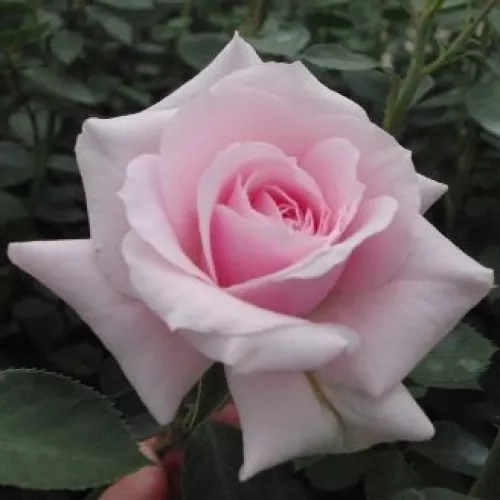
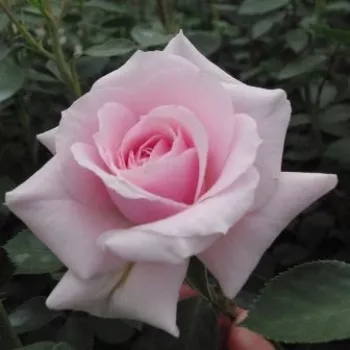
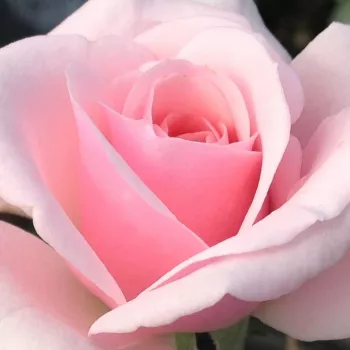
Bring a sense of poised balance to a small London front garden with FELBERG'S ROSA DRUSCHKI, a tall, upright shrub rose that suits layered, rainwater-friendly planting where drainage supports heavy soils and exposed conditions. This classic park rose offers consistently generous summer displays of deep pink, double blooms with a gentle, medium-strength fragrance, softening to pastel shades as the flowers age for a long, elegant season of colour. Its own-root form builds long-term resilience, so the plant recovers well from pruning and weather, and maintains structural reliability in family gardens. Give it a sunny spot, basic care and occasional deadheading, and you can expect steady growth and dependable performance, with Year 1 focusing on roots, Year 2 on strong shoots, and Year 3 revealing its full ornamental presence. Ideal for those seeking a sustainable, long-lived hedge or specimen that feels quietly luxurious rather than demanding.
Usage options
| Target area |
Reasoning |
| Front garden statement shrub |
Tall, upright growth and richly coloured blooms create a clear focal point beside a path or bay window, giving structure in small urban gardens with limited planting depth, ideal for the style-conscious homeowner. |
| Informal flowering hedge |
Height up to around 2.2 m and moderate spread allow a loose, rose-only hedge that screens without feeling heavy, suiting front boundaries or driveways where you want year-round framework and summer privacy for the family. |
| Mixed border with perennials |
The clear deep-pink flowers combine well with lavender, sage or nepeta, while own-root vigour supports long-term border design that matures gracefully in a sustainable, gently managed garden for the relaxed gardener. |
| Rainwater-aware planting strip |
Suited to sites where occasional wind and rain meet heavier soils, it performs reliably when planted into improved, free-draining ground, supporting front-garden schemes that work with downpipes and run-off for the urban planner. |
| Cut-flower corner |
Large, double, medium-scented blooms on upright stems lend themselves to cutting; a few plants near the house can provide regular vases through summer without specialist techniques, pleasing the creative beginner. |
| Own-root long-term specimen |
As an own-root shrub it builds a stable framework, regrowing from the base if ever cut back hard, so it fits low-intervention gardens where long lifespan and gradual, steady improvement matter to the sustainability-minded owner. |
| Coastal or breezy garden corner |
Upright, moderately thorny canes and medium disease tolerance respond well to a simple seasonal tidy and basic feeding, remaining presentable even where wind and showers are frequent, reassuring the time-poor resident. |
| Large container by front door |
In a 40–50 litre peat-free container with regular watering, it gives vertical colour and scent beside steps or in a courtyard, offering a traditional rose experience without needing a large border for the compact-space dweller. |
Styling ideas
- Terrace-romantic – Underplant with lavender and low sage in a gravel mulch to echo classic London terraces – ideal for front-garden traditionalists.
- Rain-harvest – Position near a downpipe in a free-draining bed with grasses to soften hard lines – suited to sustainability-focused urban households.
- Pastel-border – Combine with nepeta, campanula and pale ornamental grasses for a soft, walk-through border – perfect for relaxed family gardens.
- Formal-avenue – Repeat at regular intervals along a path to create a gentle rose promenade – appealing to homeowners seeking subtle structure.
- Cottage-pot – Grow one plant in a large 50-litre tub with trailing thyme at the base – convenient for balcony or courtyard rose beginners.
Technical cultivar profile
| Parameter |
Data |
| Name and registration |
Shrub, Hybrid Perpetual park rose marketed as FELBERG'S ROSA DRUSCHKI (also Felberg-Leclerc); exhibition name Felberg’s Rosa Druschki; unregistered cultivar used as a traditional garden and park shrub. |
| Origin and breeding |
Bred in Germany around 1925 from ‘Frau Karl Druschki’ × ‘Farbenkönigin’; breeder Johannes Felberg-Leclerc; introduced 1931 via Hazlewood Bros. Pty. Ltd. in Australia as a park and garden shrub. |
| Growth and structural characteristics |
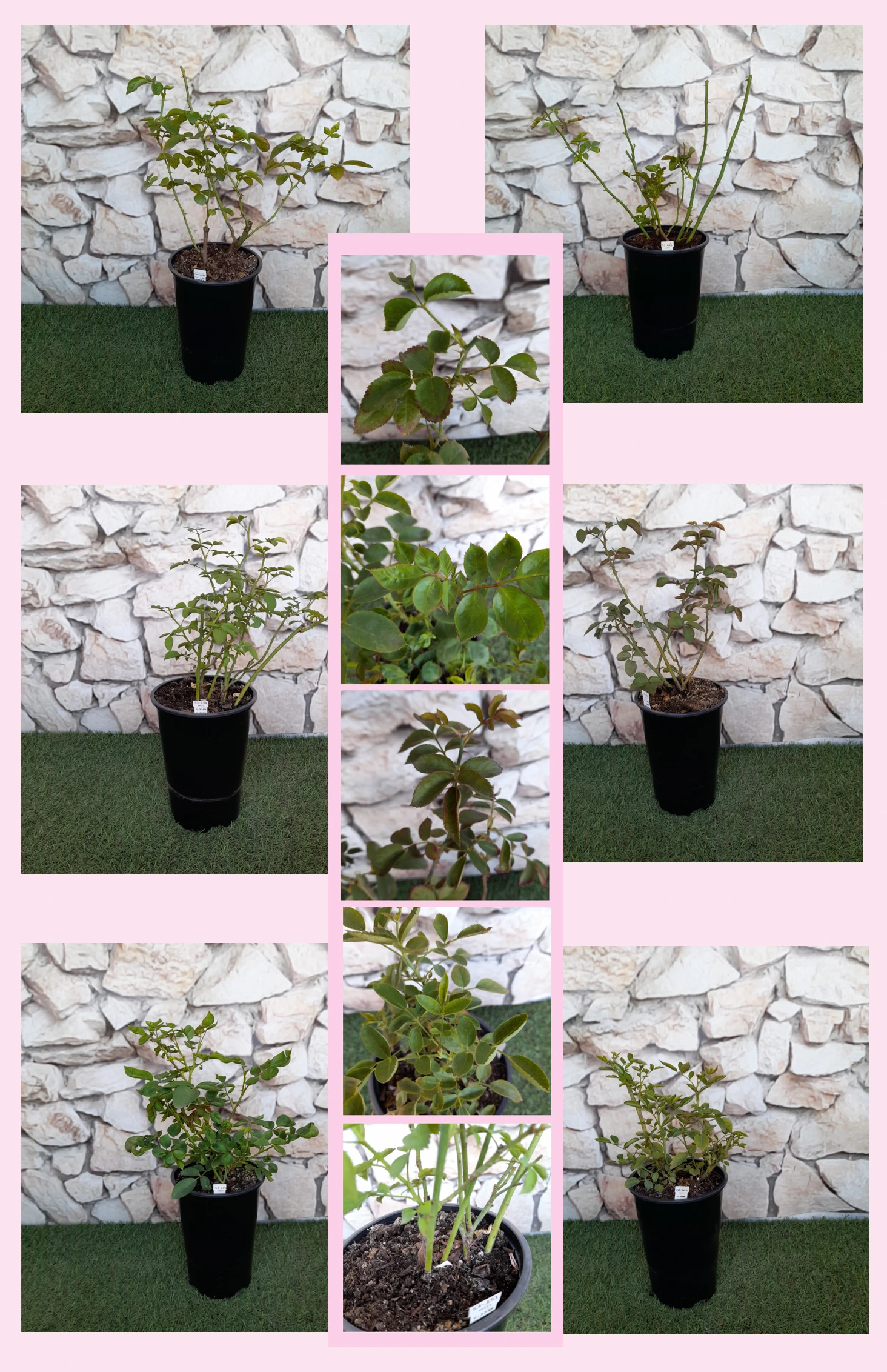
Tall, upright shrub to about 150–220 cm high and 90–140 cm wide, moderately thorny, with moderately dense, slightly glossy dark green foliage forming a vertical, park-style garden presence. |
| Flower morphology |
Large, double blooms with roughly 26–39 petals, goblet to chalice-shaped and borne mainly in clusters; remontant, with a generous second flush and good display value in borders or as cut stems. |
| Colour data and phenology |
Rich deep pink with a cool tone; ARS DPk, RHS 66C outer and 65D inner petals; colour softens to pastel pink with a lilac-pink tinge as blooms age, holding best in cooler, less intense sunlight. |
| Fragrance and aroma |
Medium-strength, delicately sweet rose scent, noticeable on still days and at close range; sufficient for cut-flower use and garden seating areas without becoming overpowering in smaller spaces. |
| Hip characteristics |
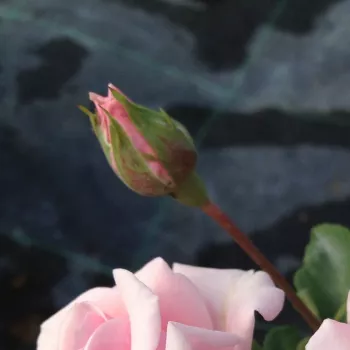
Due to the double flower form, hips are relatively few; where formed they are small, red, spherical rosehips around 8–13 mm, adding subtle late-season interest in informal planting schemes. |
| Resistance and winter hardiness |
Hardy to about −21 to −18 °C (RHS H7; Swedish zone 3; USDA 6b); disease resistance medium for black spot, mildew and rust, benefitting from standard hygiene and occasional preventative care. |
| Horticultural recommendations |
Best in a sunny position with improved, well-drained soil; planting distances 100–180 cm depending on hedge or specimen use; medium maintenance with occasional deadheading and routine feeding recommended. |
FELBERG'S ROSA DRUSCHKI offers long-season colour, graceful height and a gentle fragrance in an own-root form that matures steadily into a durable, low-fuss presence, making it a thoughtful choice for enduring family gardens.