FIMBRIATA – pale pink historic old garden rose - Morlet
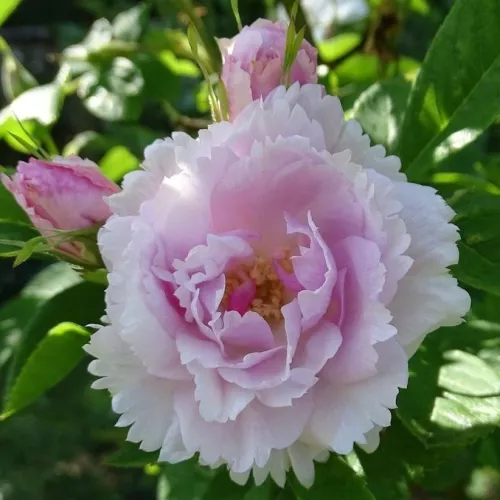
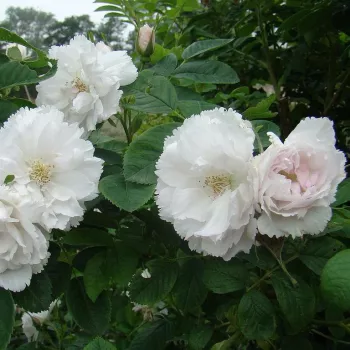
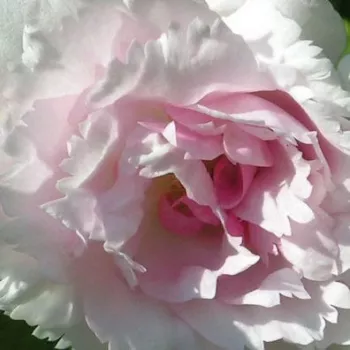
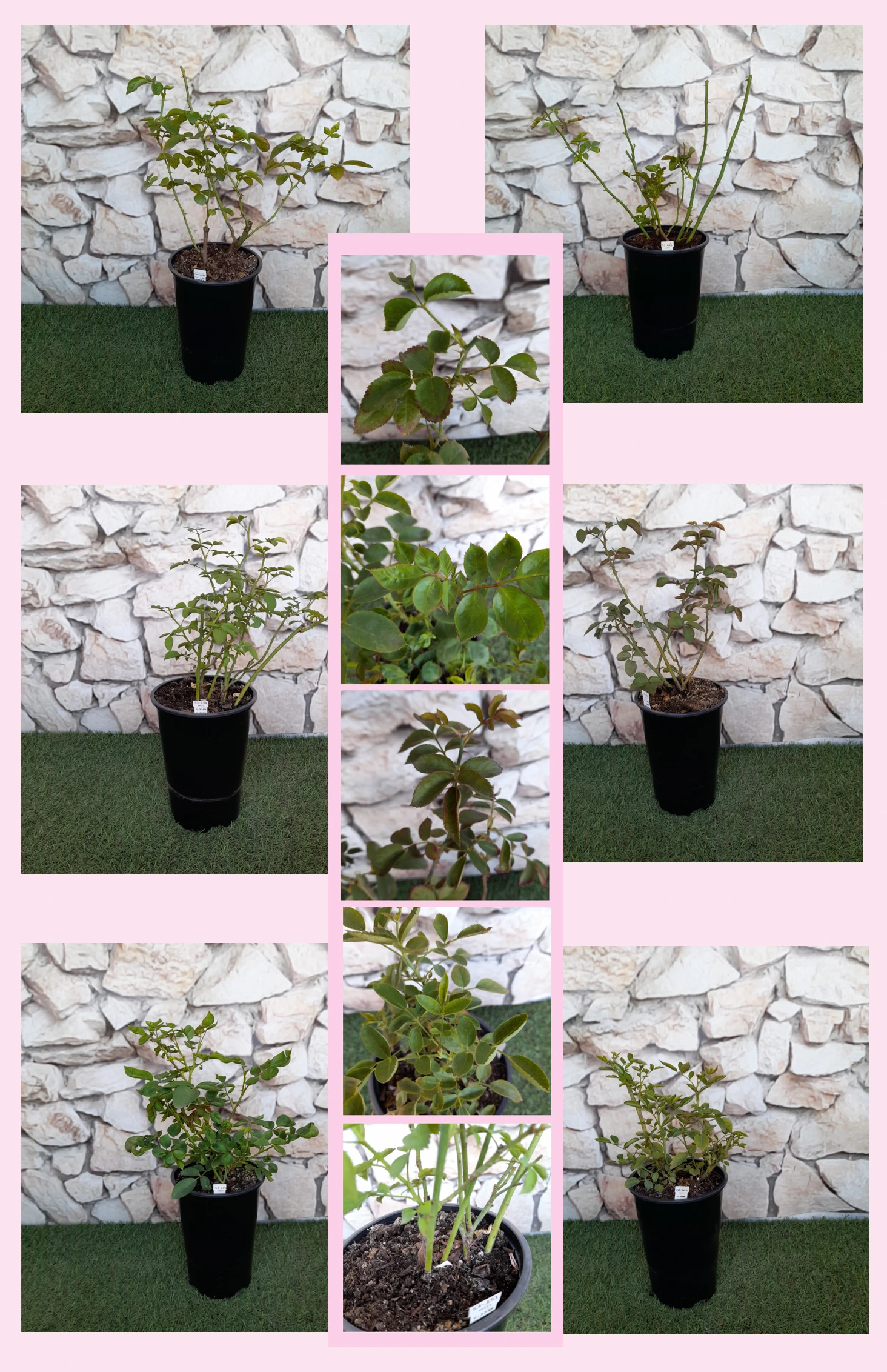
Step out after rain and let Fimbriata greet you with softly sweet perfume and finely fringed petals, a pale pink historical rugosa that feels instantly at home in small London front plots and relaxed cottage borders. This bushy, upright shrub builds a deep root system for steady, drought-tolerant growth, coping well with heavier soils and blustery, wet conditions in many British family gardens. Semi‑double blooms with exposed stamens support pollinators, while its strong rugosa heritage gives reassuring disease resistance that leaves you more time to enjoy and less time to fuss. As an own‑root shrub it settles gradually, with roots in year one, generous shoots in year two and full ornamental value by year three, ensuring long‑term stability and easy regeneration after hard pruning. The dense, mid‑green foliage and thorny stems make a characterful, season‑long screen, followed by autumn hips that add wildlife interest and a quietly sustainable structure for the urban garden.
Usage options
| Target area | Reasoning |
|---|
| Low‑effort family shrub border |
Ideal for busy households wanting a rose that largely looks after itself: low pruning needs, modest feeding and good general vigour make it easy to integrate into mixed borders without constant attention, especially for the beginner gardener |
| Summer bee corridor near doorstep |
Semi‑double, fringed flowers leave stamens easy to reach, giving bees accessible nectar and pollen from late spring into summer, so even a narrow front garden can offer useful forage and a more nature‑friendly welcome for the urban pollinator‑lover |
| Sunny, drought‑prone front garden |
The rugosa parentage gives strong tolerance of dry spells and leaner soils, so once established it copes reliably with south‑facing, occasionally neglected spots where watering is limited, suiting hands‑off, water‑conscious homeowners |
| Informal flowering screen or hedge |
Dense, thorny growth and mid‑green foliage form a season‑long visual barrier at around head height, softening boundaries while discouraging unwanted access, all with soft pink summer bloom for privacy‑minded but style‑aware neighbours |
| Small specimen for compact gardens |
A single shrub has enough height and breadth to stand as a focal point in modest plots, giving historical character, fragrance and seasonal hips without needing complex care, ideal for time‑pressed townhouse owners |
| Rain‑resilient urban planting strip |
Its robust roots and tough rugosa framework make it a good choice where runoff occasionally soaks the soil, working well in permeable, rain‑tolerant front plantings that manage wet spells in typical British streets for sustainability‑minded residents |
| Cut‑flower corner in a family bed |
Medium, semi‑double blooms with a soft, sweet scent suit relaxed, gathered‑at‑home arrangements, with strong stems that carry well to the vase, offering simple bouquets for informal, fragrance‑seeking arrangers |
| Long‑term, low‑replacement planting |
Own‑root growth means the shrub ages steadily without graft fatigue, can regenerate from the base after hard pruning or winter damage, and keeps its character over decades, a wise structural choice for forward‑planning garden planners |
Styling ideas
- Cottage‑soft – Combine with lavender and nepeta for a pastel, fragrant edging in a narrow front border – perfect for romantically inclined city dwellers.
- Rugosa‑hedge – Plant as a loose, flowering screen with low grasses to catch the breeze and highlight its textured foliage – suited to privacy‑seeking families.
- Pollinator‑path – Line a short path with Fimbriata underplanted with sage and thyme to draw bees to the doorway – ideal for wildlife‑friendly homeowners.
- Historic‑accent – Use a single shrub in a large terracotta pot of 50 litres or more for a period feel by the front steps – for lovers of vintage character.
- Rain‑garden – Position slightly above a gravelled soakaway with moisture‑tolerant perennials to turn runoff into a resilient planting feature – good for eco‑conscious urban gardeners.
Technical cultivar profile
| Parameter | Data |
|---|
| Name and registration |
Hybrid Rugosa heritage rose known in commerce as Fimbriata, a classic shrub type with historically ruffled, fringed petals; sold here as a verified own‑root cultivar for long‑term garden use. |
| Origin and breeding |
Old French hybrid from Morlet, introduced in 1891, raised from Rosa rugosa crossed with ‘Madame Alfred Carrière’, combining toughness, fragrance and nostalgic flower character for durable planting. |
| Growth and structural characteristics |
Bushy, upright shrub reaching about 120–190 cm high and 90–150 cm across, densely thorned with matte, mid‑green foliage that forms a full, seasonal screen in borders or informal hedging schemes. |
| Flower morphology |
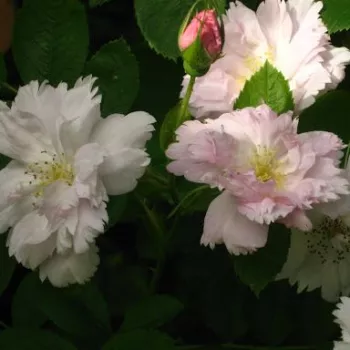
Semi‑double, flat, medium‑sized blooms in clusters, usually 13–25 petals, repeat‑flowering with a lighter second flush, offering a relaxed, open look that suits informal family gardens and softer planting styles. |
| Colour data and phenology |
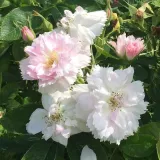
Pale pastel pink, ARS LP and RHS 65C/65D, opening powdery pink then quickly lightening towards white; colour is delicate and best appreciated in morning or evening light in summer and early autumn. |
| Fragrance and aroma |
Medium strength, softly sweet perfume typical of good shrub roses, clearly noticeable on still days along paths or terraces without being overpowering near windows or compact seating areas. |
| Hip characteristics |
Produces moderate crops of spherical, 19–31 mm red‑orange hips in autumn, adding wildlife interest and subtle seasonal colour, especially effective when left uncut on hedge or boundary plantings. |
| Resistance and winter hardiness |
Very hardy shrub, tolerating approximately −32 to −29 °C (RHS H7, USDA 4b), with good drought tolerance and strong resistance reported to black spot, powdery mildew and rust in typical garden conditions. |
| Horticultural recommendations |
Best in sunny sites with reasonably drained soil, including poorer ground; low feeding and pruning needs, with spacing from 90–170 cm depending on hedge, group planting, or specimen positioning. |
Fimbriata offers drought‑tolerant, disease‑resistant charm with pollinator‑friendly, fragrant blooms on a long‑lived own‑root shrub, making it a thoughtful choice for those planning a resilient family garden.