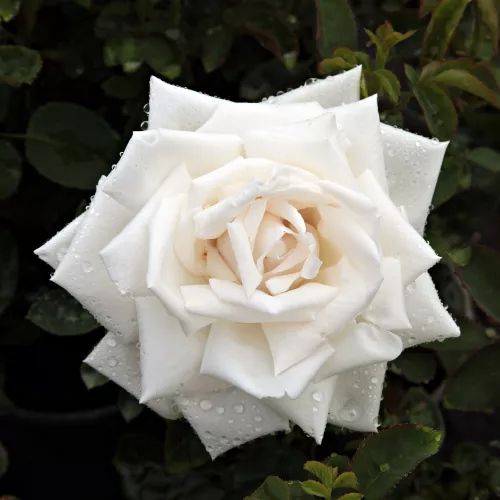
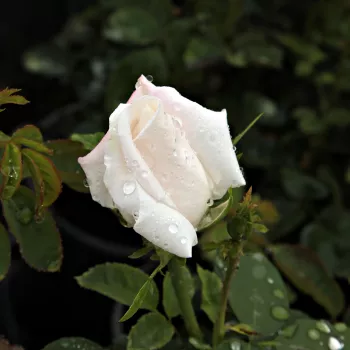
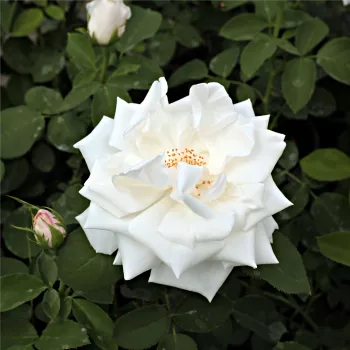
FRAU KARL DRUSCHKI – white historic perpetual hybrid rose - Lambert
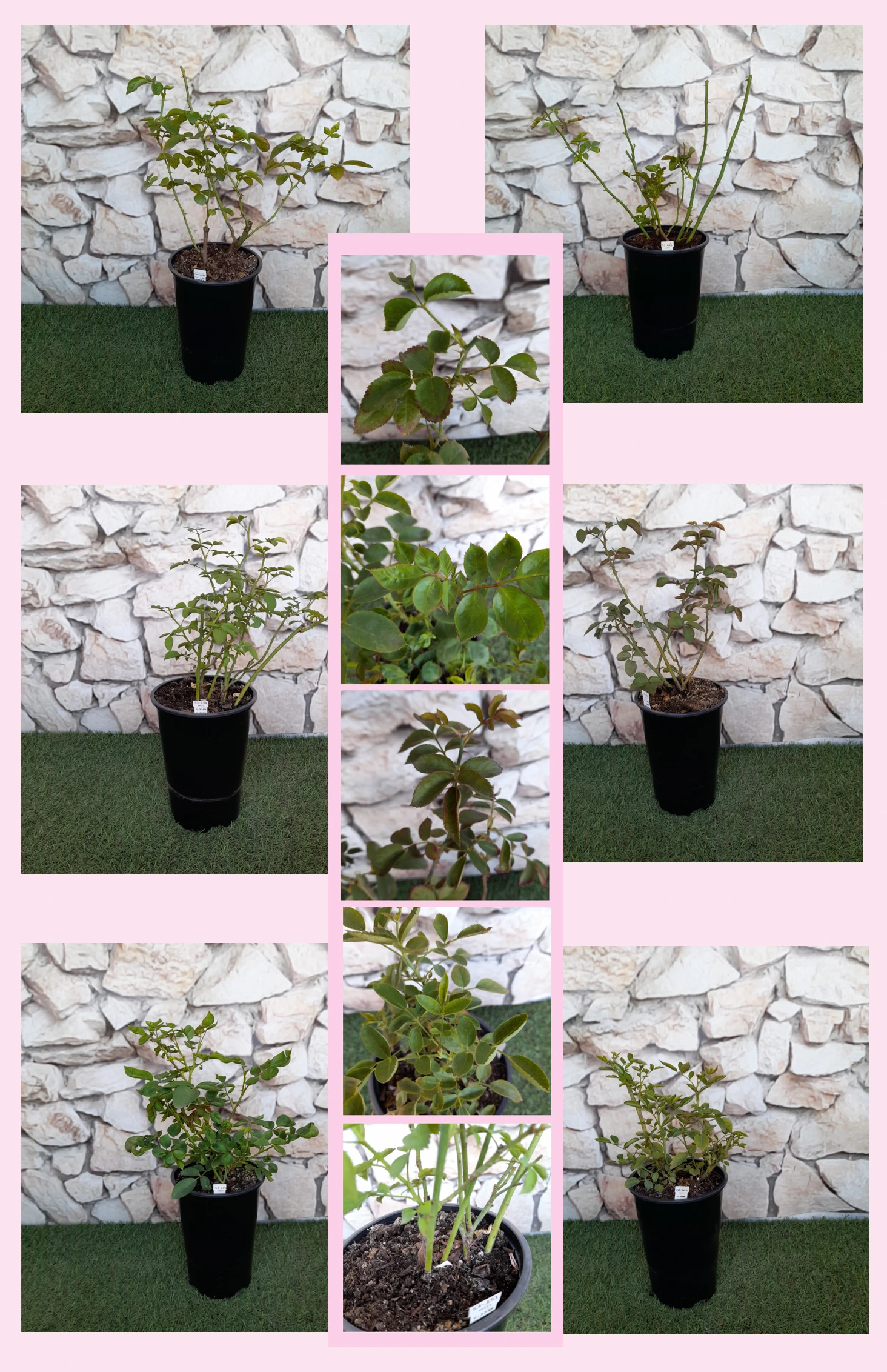
Step out after rain into a London front garden and meet the snow-white purity of ‘Frau Karl Druschki’, a century-old rose that still feels perfectly at home in today’s sustainable, small-space plots. Its upright habit and luminous blooms give instant presence in narrow beds and along paths, while dense foliage adds lasting structure to family gardens that must cope with wind, cool summers and persistent showers. As an own-root shrub, it develops steadily for long-term resilience, with strong basal shoots that regenerate after pruning and help maintain its classic silhouette. Container-grown in a practical 2-litre pot, it is easy to establish in heavy urban soils, answering the wish for low-intervention longevity and calm, balanced planting in rainwater-conscious city spaces.
Usage options
| Target area | Reasoning |
|---|
| Feature shrub in a small front garden |
The tall, upright habit and extra-large, snow-white flowers create a strong focal point in even the narrowest London terrace front, giving formal structure with minimal shaping and simple winter pruning – ideal for the style-conscious urban homeowner and beginner. |
| Long-term specimen in a family lawn border |
Own-root growth allows the shrub to mature steadily into a long-lived feature, with fresh shoots from the base replacing older wood over time, keeping the plant attractive for many seasons without complicated renovation techniques – reassuring for the time-poor gardener. |
| Historic white hedge or boundary line |
Planted at hedge spacing, its dense foliage and upright canes knit into a leafy screen that frames paths and play areas, giving a traditional look with only occasional disease checks in typical cool, moist British summers – a good fit for heritage-loving families. |
| Rainwater-aware planting along drives and paths |
Deep-rooting own-root plants cope well with regular rainfall and short-lived waterlogging once established, combining with simple gravel or permeable surfaces to support everyday rainwater management in compact plots – practical for sustainability-minded owners. |
| Cool-climate and coastal gardens |
Best performance comes where summers are not excessively hot, and its hardiness to around -30 °C makes it a reliable structural shrub in cooler, wind-exposed gardens across much of the UK and Ireland – attractive for weather-wary coastal residents. |
| Cut-flower rows in an allotment or back garden |
The large, solitary blooms on strong, straight stems suit home cutting for vases, bringing softly sweet fragrance indoors; own-root stability means stems remain robust over years of harvesting – rewarding for small-scale cut-flower enthusiasts. |
| Mixed perennial border with silver and purple accents |
The pure white flowers contrast beautifully with lamb’s ear, aubrieta and bee balm, while the rose’s medium maintenance needs pair well with low-input perennials to create a calm, cohesive scheme – appealing to low-fuss planting planners. |
| Statement rose in a large container |
In a 40–50 litre pot with good drainage, its upright habit and bright blooms give height on patios and balconies; own-root resilience offers a stable display when repotted or lightly pruned each year – ideal for space-limited balcony gardeners. |
Styling ideas
- Edwardian – Pair with clipped box and a gravel path to echo early 1900s formality – for lovers of period detail and classic white gardens.
- Monochrome – Underplant with grey lamb’s ear and silver grasses for a calm, textural white-and-silver scheme – for busy homeowners wanting serene, low-contrast borders.
- Cottage – Weave through bee balm and aubrieta for a relaxed, flower-filled look around a small lawn – for families who like informal colour with a strong focal rose.
- Minimalist – Use a single shrub against dark fencing with simple groundcover to make the snow-white blooms the main statement – for design-led urban gardeners seeking clarity and structure.
- Balcony – Grow in a generous 50-litre pot with trailing herbs beneath to soften the base and scent the air – for flat-dwellers wanting a low-effort, long-lived feature plant.
Technical cultivar profile
| Characteristic | Data |
|---|
| Name and registration |
Frau Karl Druschki hybrid perpetual rose, historic hybrid tea type; ARS exhibition name ‘Frau Karl Druschki’; heritage collection garden rose, traditionally shown as a cut-flower hybrid perpetual. |
| Origin and breeding |
Bred by Peter Lambert, Trier, Germany from ‘Merveille de Lyon’ × ‘Madame Caroline Testout’; introduced 1901 as a vigorous white hybrid perpetual with strong show-bench potential. |
| Awards and recognition |
Historic show success, including National Rose Society (United Kingdom) Gold medal for best hybrid perpetual rose around 1907, confirming its value as a classic exhibition and garden variety. |
| Growth and structural characteristics |
Upright shrub 140–190 cm tall, 100–160 cm wide, densely thorned with abundant, slightly glossy foliage; requires manual deadheading as spent blooms persist and self-cleaning is weak. |
| Flower morphology |
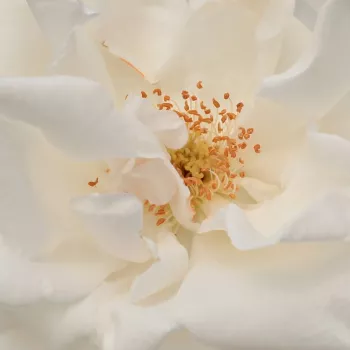
Extra-large, double, cup-shaped blooms with 26–39 petals, borne mostly singly; non-remontant, flowering once per season but producing an impressive main flush on mature, well-sited plants. |
| Colour data and phenology |
Pure snow-white petals (RHS 155C–155D) with no cream tint; colour holds well without yellowing, though buds may remain closed in prolonged rain and flowers become delicately translucent as they age. |
| Fragrance and aroma |
Softly sweet, restrained fragrance typical of many historic hybrid perpetual roses; scent noticeable at close range rather than at a distance, complementing the cool white visual effect without overpowering. |
| Hip characteristics |
If deadheading is omitted, small, dark red, spherical hips 10–15 mm may form occasionally; ornamental effect is modest, and many gardeners remove spent blooms to emphasise the floral display. |
| Resistance and winter hardiness |
Hardy to about -32 to -29 °C (RHS H7, Swedish zone 5, USDA 4b); disease resistance medium overall, with good resilience to powdery mildew and black spot, moderate susceptibility to rust, and poor heat tolerance. |
| Horticultural recommendations |
Best in sunny, cooler-summer sites; avoid prolonged heat and drought. Space 110–200 cm depending on use; allow air movement, feed annually, water deeply in dry spells, and prune to maintain strong, young flowering wood. |
Frau Karl Druschki offers luminous white blooms, strong structure and long-lived, own-root reliability for refined front gardens and borders; consider it if you favour enduring elegance over short-lived novelty.