FRÉNÉSIE™ – orange hybrid tea rose - Adam
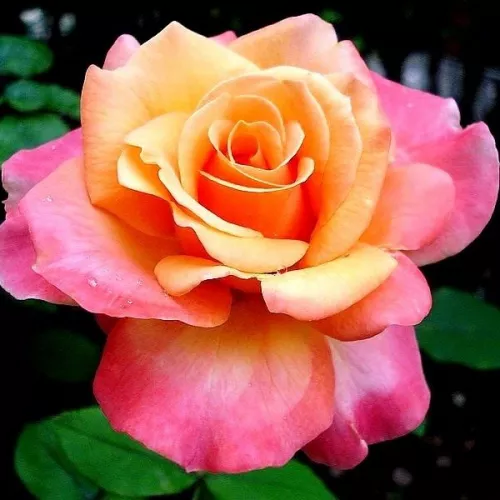
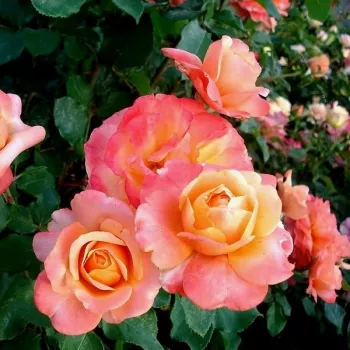
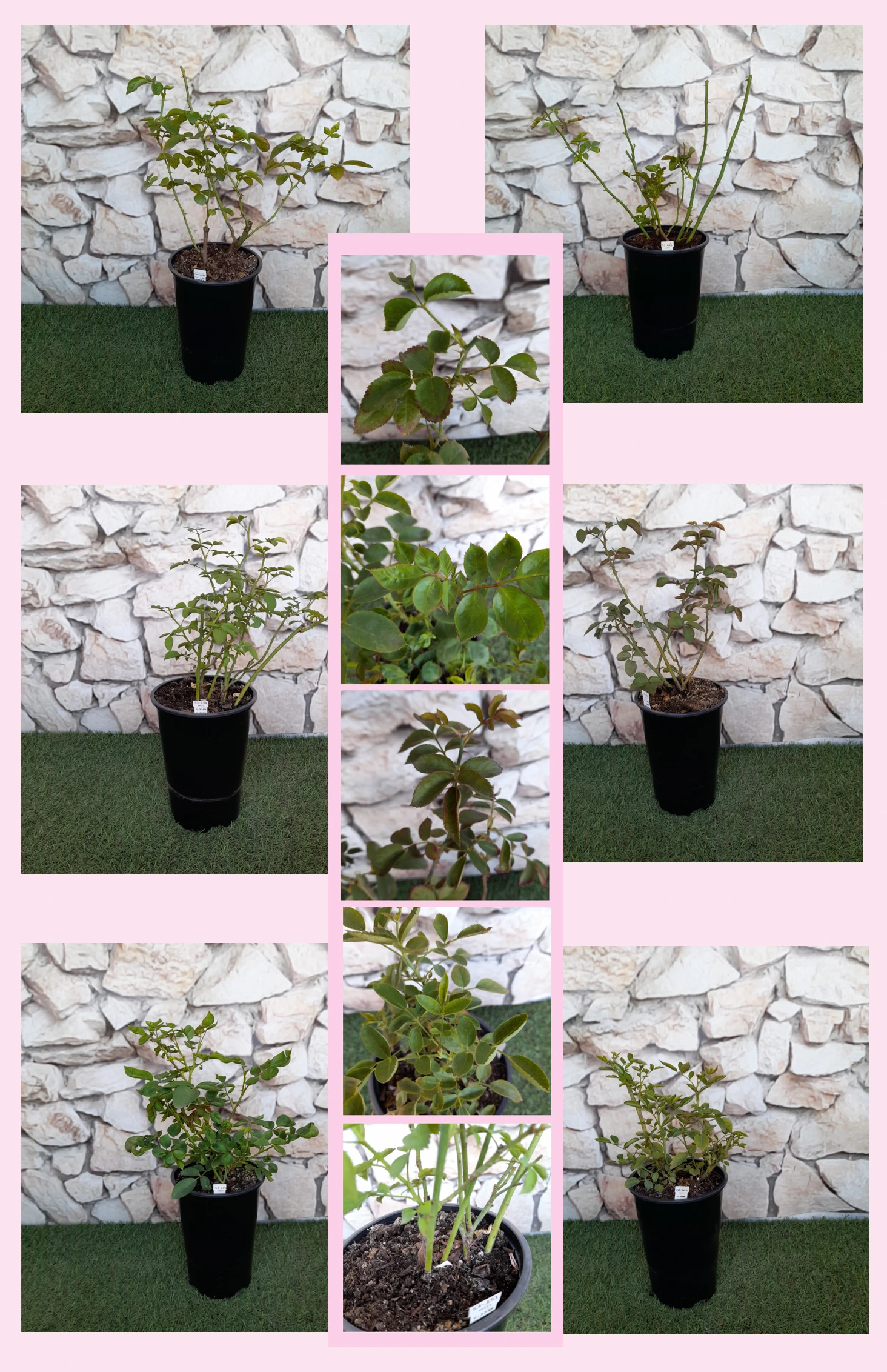
Bring a sense of balance to a compact city front garden with FRÉNÉSIE™, a premium hybrid tea rose bred for impact rather than intricate care. Its high-centred, exhibition-style blooms shift from fiery gold and orange tones to soft salmon and pink, giving your narrow London terrace or small family plot a long season of changing colour. Naturally resistant to key fungal diseases, this own-root shrub establishes steadily and copes well even where soil structure is heavy and drainage can be challenging in prolonged rainfall. An upright, compact habit keeps paths clear, while dense dark-green foliage ensures the plant looks good even between flushes of flower. Designed as a long-lived feature, the own-root system supports gradual regeneration and a stable show year after year, with roots settling in the first season, stronger shoots following in the second, and full ornamental value typically reached by year three. Use it as a fragrant, low-fuss focal feature in beds or large containers, where its XL, very double flowers and refined outline bring a sense of quiet luxury to everyday family spaces.
Usage options
| Target area | Reasoning |
|---|
| Front garden focal point |
The XL, high-centred flowers give classic hybrid tea form in a modest footprint, ideal beside a front path or gate where you pass daily. This upright compact shrub offers reliable structure without overwhelming a small space, suiting the style of a busy homeowner. |
| Low-maintenance family bed |
Strong resistance to black spot, mildew and rust means fewer sprays and simpler routines, particularly helpful in humid, fungus-prone British summers. You can keep borders smart with basic deadheading and feeding, aligning well with a relaxed, time-poor gardener. |
| Rain-tolerant urban planting |
The robust foliage and sturdy stems cope well in exposed sites where wind and frequent wet spells test less resilient roses, helping the plant stay presentable despite unsettled weather in typical UK seasons, supporting the needs of a coastal or city-front resident. |
| Colour-changing feature hedge |
Planted at hedge spacing, the changing tones from vivid orange to soft pink create a dynamic ribbon of colour across the season. The consistent height and compact habit form a neat, semi-formal line, well suited to a design-conscious, terrace-front dweller. |
| Cutting and exhibition row |
Originally selected for exhibition and cutting, this variety offers long-stemmed, high-centred blooms that hold their form in the vase. Repeating flushes make it practical for home arrangements, pleasing any flower-loving, informal arranger. |
| Long-lived specimen shrub |
Being grown on its own roots rather than grafted helps it recover from accidental damage, harsh pruning or winter knocks and maintain a stable display over many years, reassuring the sustainability-minded, long-horizon planner. |
| Container on balcony or patio |
The compact, upright structure and dense leaves suit a large pot of at least 40–50 litres, where regular watering with collected rain supports growth while limiting mains-water use, especially helpful for an eco-conscious, space-limited balcony-owner. |
| Structured mixed planting with perennials |
The clear shape and strong colour make an effective anchor for looser companions like blue fescue, obedient plant or spiraea, creating a balanced, textural mix that stays legible year-round for an aesthetically aware but time-stretched urban beginner. |
Styling ideas
- TERRACE-BORDER – Line a small London-style front path with FRÉNÉSIE™ and blue fescue for fiery blooms above cool steel-blue mounds – ideal for busy professionals wanting crisp structure with minimal upkeep.
- PASTEL-DRIFT – Pair its fading salmon and pink tones with soft Nepeta and pale obedient plant to create a gentle colour wash – perfect for families seeking a calming, romantic feel without complex planting plans.
- ORANGE-ACCENT – Use a single shrub in a 50-litre terracotta pot as a doorway accent, underplanted with drought-tolerant thyme – suited to balcony and patio owners wanting maximum impact from just one container.
- FORMAL-HEDGE – Plant a short hedge along a front boundary and clip companion shrubs like Japanese spirea behind for layered structure – good for homeowners who like a smart, traditional look with straightforward care.
- SHOW-CUTTING – Dedicate a narrow bed to FRÉNÉSIE™ rows for regular cutting, edging with lavender for fragrance and contrast – appealing to hobby florists who enjoy arranging home-grown stems through the season.
Technical cultivar profile
| Trait | Data |
|---|
| Name and registration |
Hybrid tea rose from the NIRPESPACE collection; registered as ADArifer and marketed as FRÉNÉSIE™. Exhibition-type cut-flower and garden hybrid tea with verified cultivar authenticity for reliable identification. |
| Origin and breeding |
Bred in France by Michel Adam and introduced by NIRP International in 2006. Parentage is undocumented; selected primarily for exhibition-quality blooms and strong garden performance in European climates. |
| Awards and recognition |
Highly decorated in French rose trials: Great Rose of the Century (Hybrid Tea) in Lyon 2005, Certificates of Merit in Lyon 2006 and Orléans 2007, plus the Orléans ‘Cristal Rose’ Audience Award 2007. |
| Growth and structural characteristics |
Upright, compact shrub typically 95–125 cm high and 45–65 cm wide, with dense, slightly glossy dark-green foliage touched with bronze. Moderately thorny stems provide good support for large exhibition-style blooms. |
| Flower morphology |
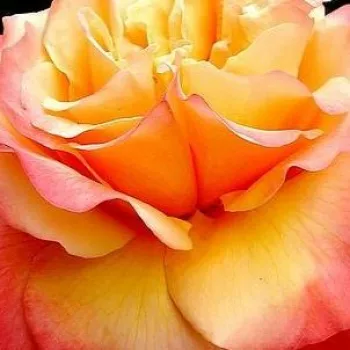
Very double, XL high-centred blooms with 40+ petals, carried mainly in clusters. Classic pointed buds open to refined hybrid tea form, suitable for cutting, exhibition benches and as a focal point in mixed borders. |
| Colour data and phenology |
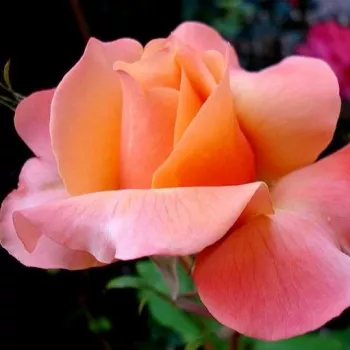
Vivid yellow-orange centres with carmine-red margins (ARS OB; RHS 46A, 23B), softening through salmon to creamy pink. Colour retention is moderate, with repeated flushes and an abundant second flowering in season. |
| Fragrance and aroma |
Delicately sweet perfume of mild intensity; a restrained, refined scent that complements the sophisticated flower form. Best appreciated at close range along a path or seating area rather than as a strongly perfumed feature. |
| Hip characteristics |
Hip set is naturally sparse due to the densely double flowers; any hips that do form are tiny, around 0–5 mm across, with limited ornamental contribution and little impact on the plant’s overall presentation. |
| Resistance and winter hardiness |
Rated resistant to key foliar diseases including black spot, powdery mildew and rust. Hardy to approximately –21 to –18 °C (H7; USDA 6b; Swedish zone 3), suiting most temperate UK locations with standard winter care. |
| Horticultural recommendations |
Best in sunny sites with well-prepared soil and good drainage; plant 45–90 cm apart depending on hedge or specimen use. Suits beds, edging, hedges and large containers, with generally low maintenance demands once established. |
FRÉNÉSIE™ offers compact structure, minimal disease problems and long-lasting colour on its own-root framework, making it a thoughtful choice for those planning a dependable, low-effort feature rose.