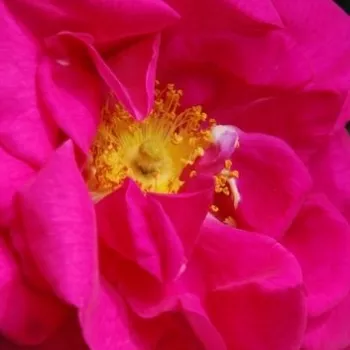
GALLICA 'OFFICINALIS' – carmine-red historic Gallica rose
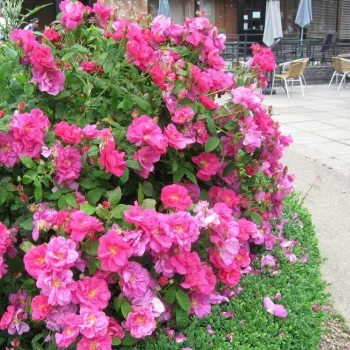
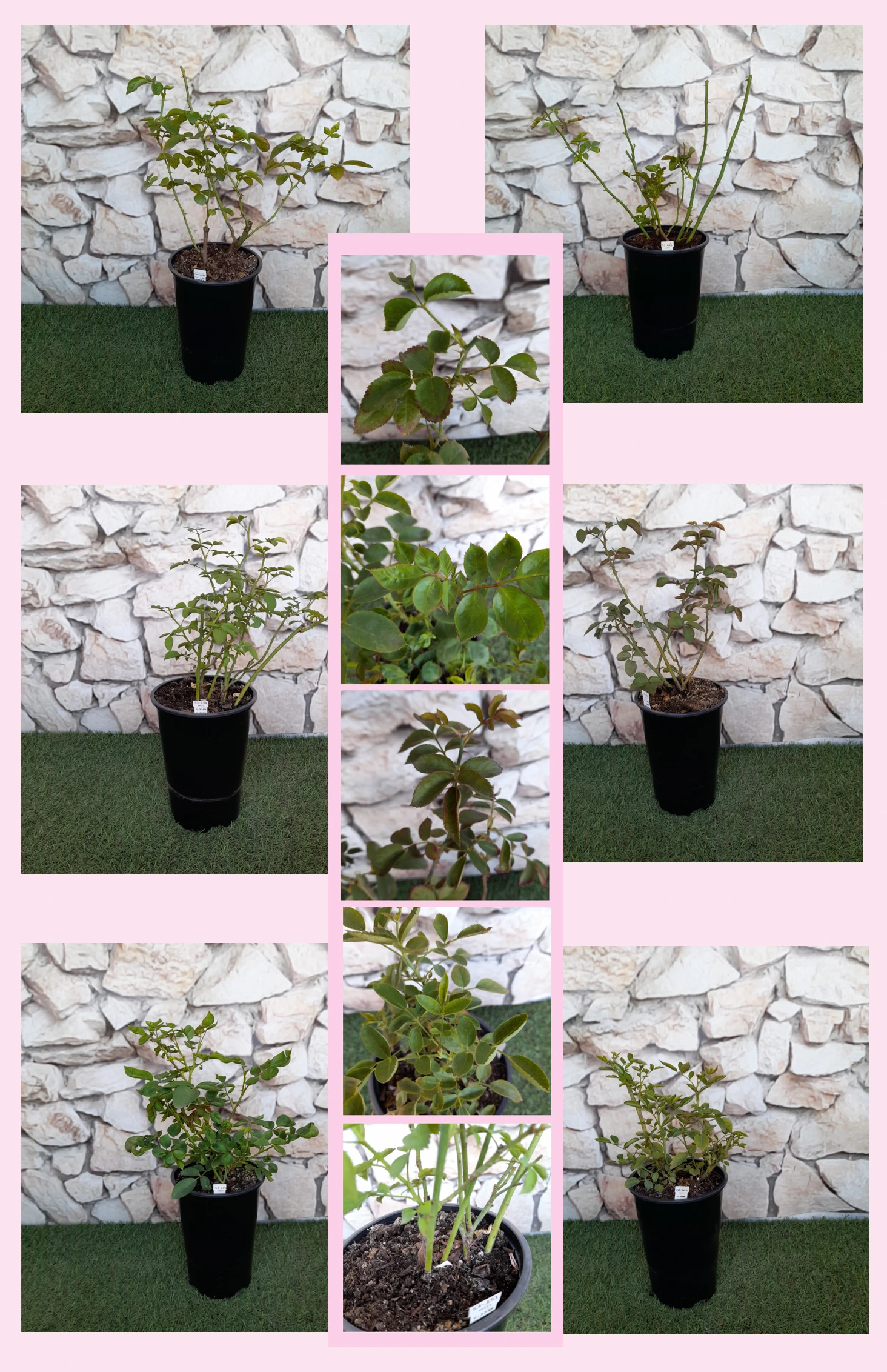
Step outside after rain and let GALLICA 'OFFICINALIS' bring a sense of balance to your front garden: a compact, bushy shrub rose with fragrance that fills the air and semi-double blooms that invite pollinators. This historic Gallica settles comfortably into typical British conditions, coping well with wind and periodic wet spells while still appreciating good drainage. Its moderate size suits narrow London terraces and small family plots, and its steady, once-a-year summer show feels wonderfully timeless. As an own-root rose, it offers dependable longevity and neat regeneration, building roots in year one, expressive shoots in year two, and full ornamental value by year three for low-effort, sustainable gardening.
Usage options
| Target area |
Reasoning |
| Front garden feature shrub |
Planted as a standalone shrub near your entrance, its compact, bushy habit and dense grey-green foliage create a refined focal point without dominating a small space, offering a reliable, carmine-red summer display for time-pressed homeowners. |
| Informal flowering hedge |
At 90–100 cm spacing, it forms a low, informal hedge with characterful thorns and scented summer flowers, then orange-red hips for autumn structure, giving long-season interest with only moderate shaping needed for relaxed beginners. |
| Rainwater-conscious clay border |
Well suited to typical UK clay once drainage is improved with organic matter, this own-root shrub copes with periods of wet followed by drier spells, matching rainwater-harvesting borders where downpipe overflows are carefully channelled by urban gardeners. |
| Pollinator-friendly cottage strip |
Its semi-double, cupped flowers open wide, exposing stamens that attract bees during the main summer flush; pairing with long-flowering perennials keeps forage going, supporting nature-friendly families. |
| Scented seating-area backdrop |
Placed behind a bench or along a narrow path, the intensely spicy-sweet fragrance creates a rich atmosphere on still evenings, turning even a tiny terrace corner into a sensory retreat sought by busy urban professionals. |
| Historic or heritage-style planting |
As a traditional Gallica known since medieval times, it suits period townhouses and heritage-style schemes, combining authentic form and colour with modern own-root reliability appreciated by culture-minded collectors. |
| Low-input park and urban green strip |
Its hardy, bushy framework and moderate disease tolerance make it a good fit for public or shared spaces where regular spraying is avoided and maintenance is periodic, supporting eco-conscious communities. |
| Ornamental hip and winter-interest corner |
After flowering, clusters of orange-red, egg-shaped hips add colour into winter, useful in wildlife-friendly beds or for cutting into seasonal arrangements valued by creative home florists. |
Styling ideas
- TERRACE-EDGE BOWER – Line a narrow front path with GALLICA 'OFFICINALIS' underplanted with low Irish moss to frame the route in scent and texture – ideal for terrace-house owners who want romance in a tight space.
- HERITAGE RIBBON – Create a loose hedge along railings, weaving in dwarf iris and creeping bugle for contrasting blues and foliage – suited to those recreating a period, story-rich frontage.
- SCENTED SEAT – Position two or three shrubs behind a small bench, with lavender and nepeta in front to extend flowering and pollinator appeal – perfect for urban dwellers seeking an aromatic evening retreat.
- RAINWATER BORDER – Plant in a slightly raised, mulched strip near a downpipe, with sage and ornamental grasses to handle occasional wet, focusing on robust texture – good for sustainability-minded householders using stored rainwater.
- HIP-AND-HERB NOOK – Combine the rose with culinary sage and thyme in a sunny corner so hips and herbs share autumn colour and fragrance – appealing to home cooks who enjoy cutting from the garden.
Technical cultivar profile
| Property |
Data |
| Name and registration |
Gallica 'Officinalis' is a historical Gallica shrub rose, also known as Officinalis in exhibition use, supplied here as an own-root, container-grown heritage rose for private gardens. |
| Origin and breeding |
A long-established selection of wild Rosa gallica with medieval roots, breeder and exact introduction date unknown, representing classic European heritage material adapted to temperate climates. |
| Growth and structural characteristics |
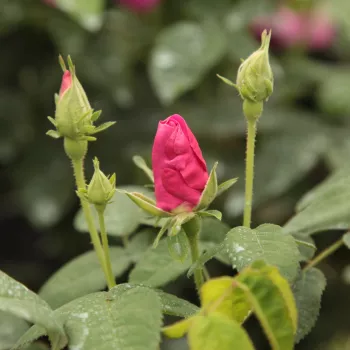
Bushy, upright shrub reaching around 100–150 cm high and 80–130 cm wide, with dense, matte grey-green foliage and moderate prickles, forming a full, leafy framework in average garden conditions. |
| Flower morphology |
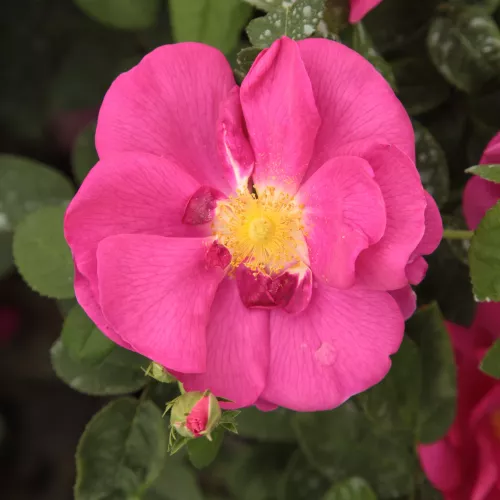
Semi-double, cupped blooms of medium size borne in clusters, with approximately 13–25 petals; once-flowering in summer, then self-cleansing to a degree as some spent blooms develop into ornamental hips. |
| Colour data and phenology |
Deep carmine-red flowers with a slight purplish tinge; colour may lighten subtly and take on purplish notes in strong sun, maintaining good overall colour retention across the main summer flowering period. |
| Fragrance and aroma |
Very strongly scented with a rich, spicy-sweet character that readily fills the surrounding garden air, especially effective when planted near paths, doors or seating where the perfume can be enjoyed at close range. |
| Hip characteristics |
Produces moderate quantities of ovoid, orange-red hips around 10–16 mm in diameter, giving a decorative display into autumn and early winter and adding wildlife appeal and cutting material. |
| Resistance and winter hardiness |
Hardy to approximately −34 to −32 °C (USDA 4a, RHS H7), tolerating typical UK winters; disease resistance is medium, with some susceptibility to common fungal issues in humid seasons. |
| Horticultural recommendations |
Plant in well-drained soil, improving heavy clay with compost; suitable for full sun or light shade. Water in dry spells, especially in containers of at least 40–50 litres, and prune lightly after flowering. |
GALLICA 'Officinalis' offers richly scented historic blooms, pollinator-friendly semi-double flowers and durable own-root growth; consider it if you value characterful beauty with reassuring long-term reliability.