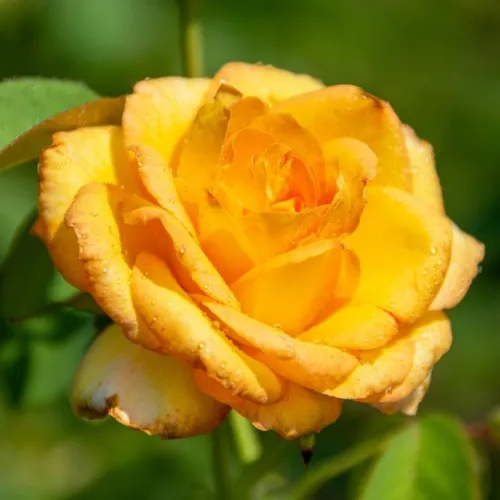
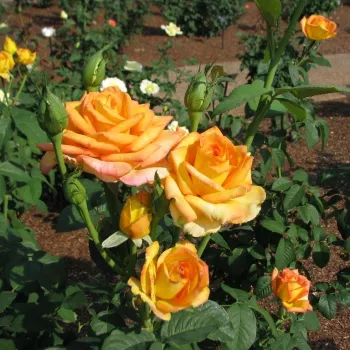
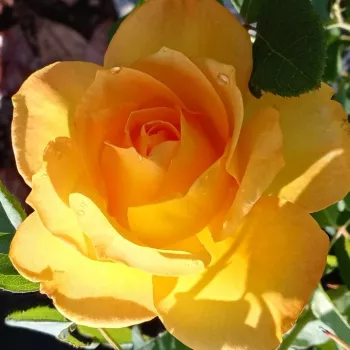
GOLDEN MEDAL® – golden-yellow hybrid tea rose – Christensen
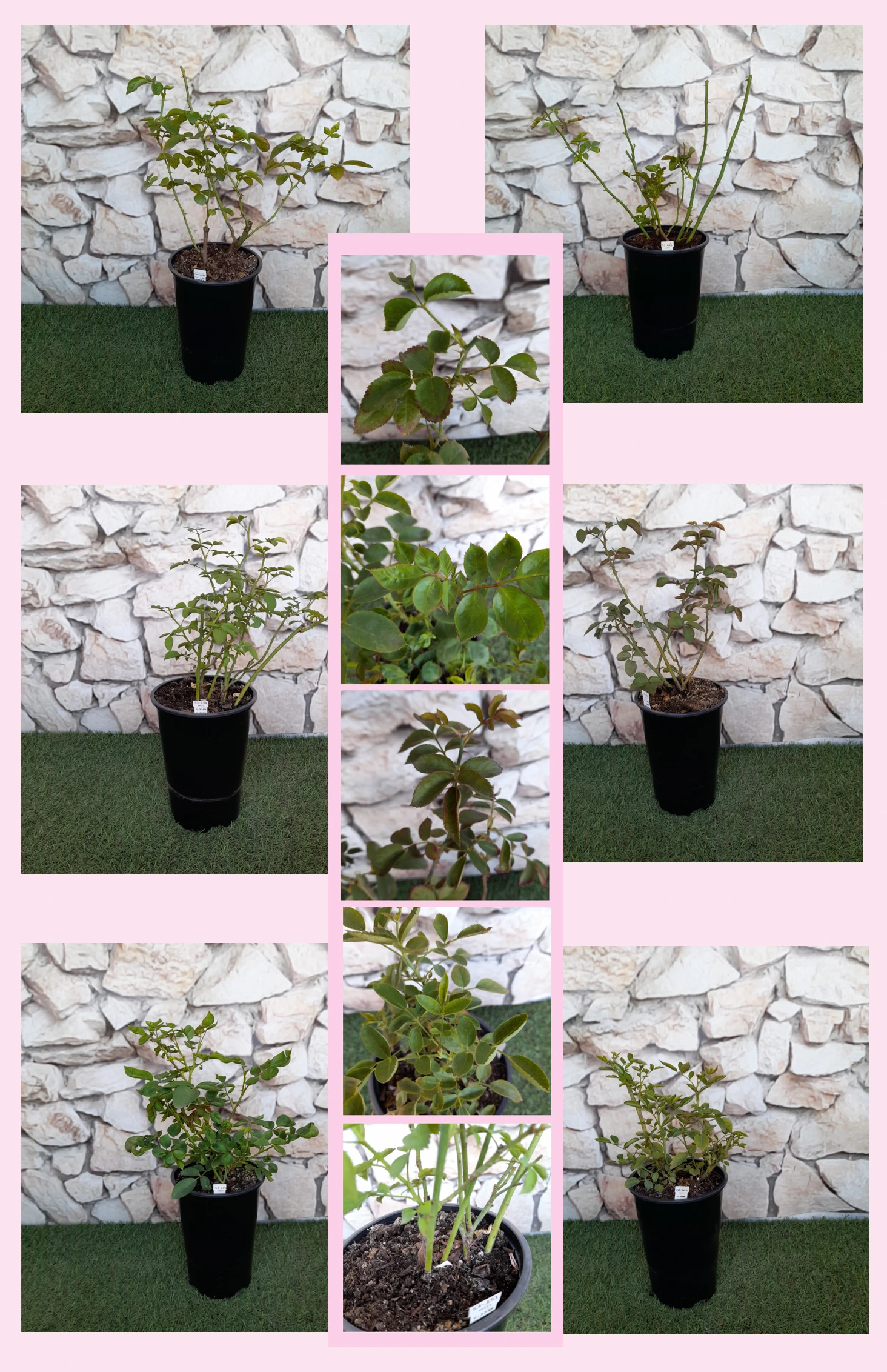
Step outside after rain and follow a narrow path edged with golden blooms: GOLDEN MEDAL® brings a serene, balanced rhythm to a small London front garden while coping steadily with coastal breezes and showery, changeable weather. This tall, upright hybrid tea offers season-long fragrance from high-centred, exhibition-style flowers, ideal for cutting for the house as well as garden display. As an own-root rose, it establishes gradually, building roots in the first year, stronger shoots in the second and full ornamental presence by the third, giving you years of reliable colour with less worry about graft failures. Its dark, slightly glossy foliage and barely-thorny stems create a quietly elegant structure that suits rainwater-conscious, low‑impact landscaping, especially where you want a “girly”, welcoming entrance without high-maintenance demands. Plant in well-drained soil, use stored rainwater for deep, occasional watering, and enjoy a refined focal point that fits effortlessly into a sustainable, modern city garden.
Usage options
| Target area | Reasoning |
|---|
| Front garden focal point |
The tall, upright habit and luminous golden-yellow blooms create an immediate focal point by a gate or doorstep, giving structure and elegance without needing complex pruning – ideal for a small terraced-house front garden where impact matters for the beginner. |
| Cutting and vase use |
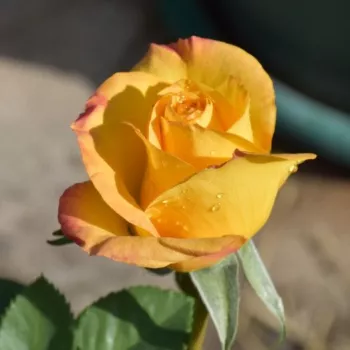
High-centred, pointed buds and long, straight stems make this rose particularly suitable for cutting, so you can enjoy its medium, sweet fragrance indoors; regular picking conveniently removes older blooms and keeps shrubs looking neat for the homeowner. |
| Own-root, long-term planting |
Supplied on its own roots, it develops into a stable, long-lived shrub that can regenerate well from the base after hard pruning or weather damage, maintaining its ornamental value over many seasons with only moderate care for the urbanite. |
| Rain-aware, sustainable beds |
Once established, it copes reliably with typical British showers and breezier sites while appreciating decent drainage, working well in rainwater-managed borders where you water deeply but less often, supporting a resilient layout for the busy. |
| Medium-maintenance feature rose |
It benefits from occasional deadheading and simple preventative treatments, but does not demand specialist skills; a straightforward care routine is enough to keep the foliage attractive and the flowers coming steadily for the hobby-gardener. |
| Year-on-year garden development |
Planted as a 2‑litre own-root rose, it first focuses on root building, then gains height and flowering strength in year two, before reaching full showy presence by year three, suiting patient planning for the planner. |
| Low-prickle family access route |
With barely thorny stems, it is easier to position near paths, front doors or along narrow access routes, reducing snags on clothing and making everyday passage with children, shopping or prams more comfortable for the family. |
| Structured, formal-style plantings |
The upright, evenly branched habit and dense, dark foliage fit formal or semi-formal designs, pairing neatly with lavender, sage or nepeta to underline clear lines and colour contrasts that remain attractive through summer for the stylist. |
Styling ideas
- Golden-Entrance – Flank a London terrace doorway with two tall containerised plants (minimum 40–50 litres) underplanted with white alyssum for a bright, welcoming entrance – ideal for design-conscious city dwellers.
- Sunny-Ribbon – Create a ribbon of gold along a front fence, spacing plants at 60–70 cm and edging the bed with lavender for scent and soft contrast – perfect for homeowners wanting classic structure with simple upkeep.
- Cutting-Nook – Dedicate a small bed near the back door to three bushes with nepeta and sage, giving easy access to long-stemmed blooms for the vase – suited to hobby gardeners who love home-grown bouquets.
- Formal-Frame – Use a pair of shrubs as vertical accents at the ends of a rectangular border, with lower perennials in cool tones to frame the golden blooms – appealing to those favouring calm, balanced, formal lines.
- Soft-Path – Line one side of a narrow garden path with these barely thorny roses and a low underplanting of thyme, keeping movement comfortable while highlighting the post-rain fragrance – ideal for families using paths daily.
Technical cultivar profile
| Property | Data |
|---|
| Name and registration |
Hybrid tea rose, registered as AROyqueli, marketed as GOLDEN MEDAL® – golden-yellow hybrid tea rose – Christensen; ARS exhibition name ‘Gold Medal’, hybrid tea commercial group. |
| Origin and breeding |
Bred by Jack E. Christensen at Armstrong Nurseries, California, from ‘Yellow Pages’ × (‘Granada’ × ‘Garden Party’); introduced by Armstrong Roses in 1982 after registration in 1981. |
| Awards and recognition |
Awarded the Gold Star of the South Pacific at Palmerston North, New Zealand, in 1983, recognising its strong garden and exhibition performance and confirming its reliable decorative qualities. |
| Growth and structural characteristics |
Upright hybrid tea rose reaching about 150–190 cm in height with 85–115 cm spread; dense, dark green, slightly glossy foliage and relatively few prickles, forming a refined, vertical shrub shape. |
| Flower morphology |
Large, double, high-centred blooms with 26–39 petals, typically borne singly on stems; classic pointed-bud exhibition form, remontant with an especially abundant second flush under good care across the season. |
| Colour data and phenology |
Bright golden-yellow flowers, ARS yb, RHS 14A outer and 20A inner; colour softens to paler pastel cream-yellow towards senescence, fading faster in strong sun yet retaining a warm, sunny impression overall. |
| Fragrance and aroma |
Clearly noticeable, medium-strength sweet fragrance typical of scented hybrid teas; enjoyable both in the garden and indoors when used as a cut flower, without being overpowering in smaller outdoor spaces. |
| Hip characteristics |
Hip set is generally sparse due to the double flower form; where produced, hips are small, ellipsoid, orange-red, around 10–14 mm in diameter, and seldom a dominant visual feature on the plant. |
| Resistance and winter hardiness |
Rated H7 with USDA zone 6b and Swedish zone 3 tolerance; withstands approximately −21 to −18 °C, with medium resistance to black spot, powdery mildew and rust, benefiting from timely preventative care. |
| Horticultural recommendations |
Best in full sun with fertile, well-drained soil; space 60–110 cm depending on use, and 2.0–2.4 plants/m² for mass planting; maintain medium-level care, including watering in prolonged drought and regular deadheading. |
GOLDEN MEDAL® offers tall, golden blooms with sweet fragrance, long-lived own-root reliability and elegant structure, making it a thoughtful choice for gardeners who value enduring beauty with manageable care.