GOLDSTONE – golden-yellow tea-hybrid rose – pharmaROSA®
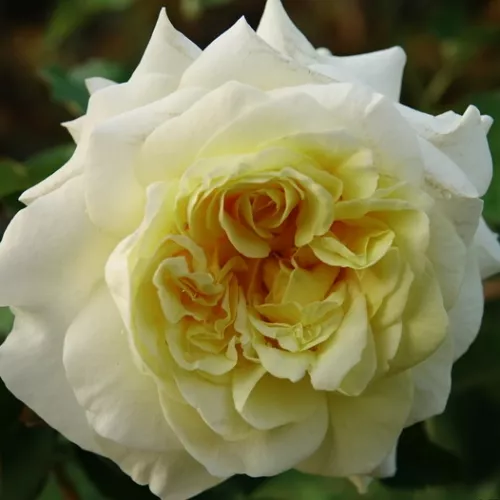
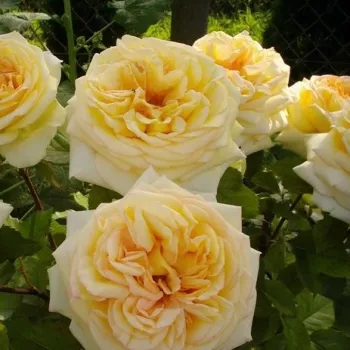
Imagine a compact front garden rose that makes your London terrace feel instantly uplifted, with high‑centred golden buds opening into classic hybrid tea blooms on a reliably bushy framework. GOLDSTONE (TANtern) is a medium-height, own-root hybrid tea that settles in steadily and rewards you with exhibition-style flowers for vases and entrances, coping well even where persistent rain and wind test other roses on heavier soils. Its medium care needs suit busy gardeners: routine deadheading and simple seasonal pruning are usually enough to keep flowering generous and balanced. Own-root growth supports a long-lived, stable plant structure that can regenerate from the base, so the ornamental effect improves year after year. Think of it as a quiet, reliable presence for a small family garden: Year 1 focuses on rooting in, Year 2 on building shoots, and by Year 3 the full ornamental value is clear. The warm golden-yellow flowers hold their colour attractively before softening to a gentler lemon tone, helping even the smallest space feel sunlit, harmonious and centred, while the fresh, citrusy scent adds a feeling of calm balance after rain.
Usage options
| Target area | Reasoning |
|---|
| Terraced-house front garden focal point |
The compact, bushy habit and medium height make GOLDSTONE ideal beside a front door or low railing, where its golden blooms are clearly visible from the pavement yet do not overpower a small plot. Its structured form keeps the entrance orderly and is especially reassuring for the new city gardener who prefers a tidy, easy-care outline for a welcoming first impression suitable for beginners. |
| Low maintenance family border |
With moderate disease resistance and only medium maintenance needs, this rose fits into mixed borders where you do not want to be constantly spraying or trimming. Regular deadheading and a single winter prune are usually enough to maintain repeat flowering, so a busy household can still enjoy a classic hybrid tea look without complex rose care, making it appealing to time-poor owners. |
| Cut-flower corner near the house |
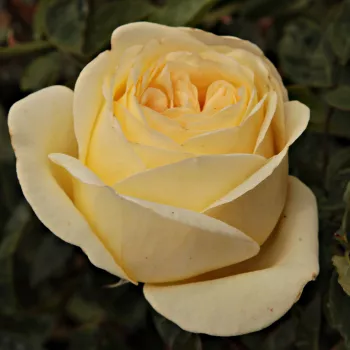
The long, high-centred, solitary blooms are classic exhibition-style hybrid tea flowers, ideal for cutting for indoor vases. Planting a small group near a path or patio door allows easy access after work or at weekends, so you can quickly gather a few strongly scented stems, satisfying anyone who values home-grown floral arrangements for stylish interiors. |
| Sunny patio container (40–50 litres minimum) |
GOLDSTONE’s upright, bushy form adapts well to a large container, provided a good-quality, peat-free mix and regular watering are supplied. In a 40–50 litre pot it will develop a stable root system and maintain a well-proportioned crown, bringing golden colour and fragrance to paved spaces where soil is limited, particularly attractive for balcony gardeners. |
| Small urban rainwater-conscious garden |
In a compact, permeable front garden with gravel or planting pockets, this rose slots neatly among perennials and low grasses, its moderate spread allowing rainwater to soak away rather than run off hard surfaces. Its own-root resilience supports a long-lived planting scheme, suiting urban households that want ornamental value with a lighter footprint aimed at sustainability. |
| Clay-based family plots with wind exposure |
Where wind and frequent showers are common, especially on heavier soils, GOLDSTONE’s dense foliage and sturdy, medium-height framework help it stand its ground without sprawling. With sensible drainage and mulch, it forms a dependable shrub in changeable weather, giving reliable colour even when conditions are not perfect, a comfort to coastal gardeners. |
| Formal front-garden structure with edging plants |
The even height and clear, upright stems produce a simple, repeatable shape that works well in short rows or paired plantings flanking a path. Underplant with lavender, nepeta or low sage for a soft carpet that contrasts with the warm yellow blooms, creating a green yet ordered composition appreciated by design-conscious owners. |
| Long-lived specimen near seating |
As an own-root rose, GOLDSTONE develops from its own base rather than from a graft, so if stems are damaged it can regenerate without losing its true character, building a durable framework over the years. Combined with its medium fragrance, this makes it well suited beside a bench or small patio where you want a stable, recurring presence enjoyed by long-term planners. |
Styling ideas
- Sunny Welcome – Pair GOLDSTONE with lavender and grey foliage in a gravel strip by the front door for a bright yet calm arrival – ideal for busy homeowners wanting simple impact.
- Golden Pocket – Tuck three plants into a small clay-soil border with good compost and drainage, edging with catmint for a soft, child-friendly family corner.
- Urban Showcase – Grow a single plant in a 50-litre container with trailing thyme at the base to frame the golden blooms on a compact city patio.
- Calm Corridor – Line a short path with spaced GOLDSTONE bushes and interplant sage and ornamental grasses for a balanced, walk-through display after summer rain.
- Evening Nook – Position one specimen near a small seating area, backed by dark green shrubs, so the warm yellow flowers and citrusy fragrance stand out at dusk.
Technical cultivar profile
| Parameter | Data |
|---|
| Name and registration |
Hybrid tea / florist rose; registered as TANtern, traded as GOLDSTONE – golden-yellow tea-hybrid rose – and known in exhibitions under the ARS name ‘Goldstern’. |
| Origin and breeding |
Discovered by pharmaROSA® and bred by Rosen Tantau KG in Uetersen, Germany; introduced and registered in 1966, with breeding work completed before that year. |
| Growth and structural characteristics |
Compact, bushy shrub typically 60–85 cm high and 50–70 cm wide; moderately thorny stems and dense, glossy mid-green foliage form a neat, well-filled plant outline. |
| Flower morphology |
Large, double, high-centred hybrid tea flowers with 26–39 petals, usually borne singly on stems; strongly remontant habit providing a generous second flush after the first bloom. |
| Colour data and phenology |
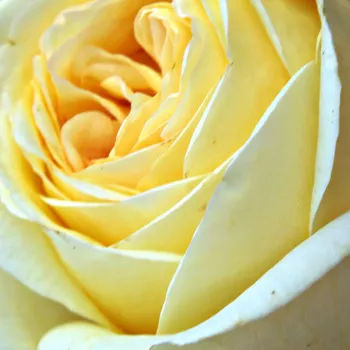
Uniform vivid golden-yellow blooms, RHS 14A–14B; buds open deep gold, then lighten towards lemon at petal edges, finally fading to pale straw yellow with creamy-yellow shading. |
| Fragrance and aroma |
Noticeable, medium-strength perfume with a fresh, citrusy character; best appreciated at close quarters near seating areas or entrances where air movement is moderate. |
| Hip characteristics |
Hip set is generally low because of the double blooms, but occasional bright red, spherical hips of around 7–9 mm may appear as a small decorative autumn feature. |
| Resistance and winter hardiness |
Hardy to about –21 to –18 °C (RHS H7, roughly USDA 6b; Swedish zone 3); moderate disease resistance, notably good against black spot, with average tolerance to heat and drought. |
| Horticultural recommendations |
Prefers sunny positions with fertile, well-drained soil; space at 45–85 cm depending on use. Maintain moderate feeding and irrigation, plus occasional plant protection in high disease pressure. |
GOLDSTONE – golden-yellow tea-hybrid rose – TANtern offers compact, bushy structure, classic cut-quality blooms and long-lived own-root resilience; a thoughtful choice if you would like dependable colour with straightforward ongoing care.